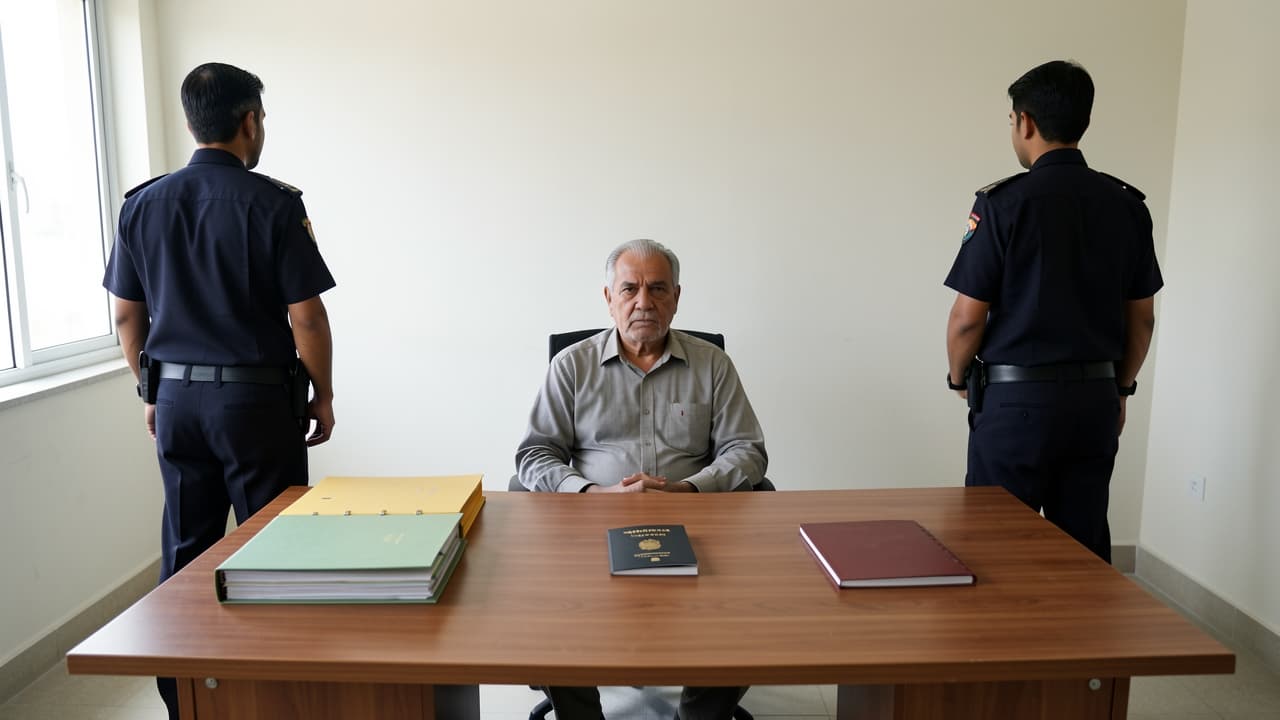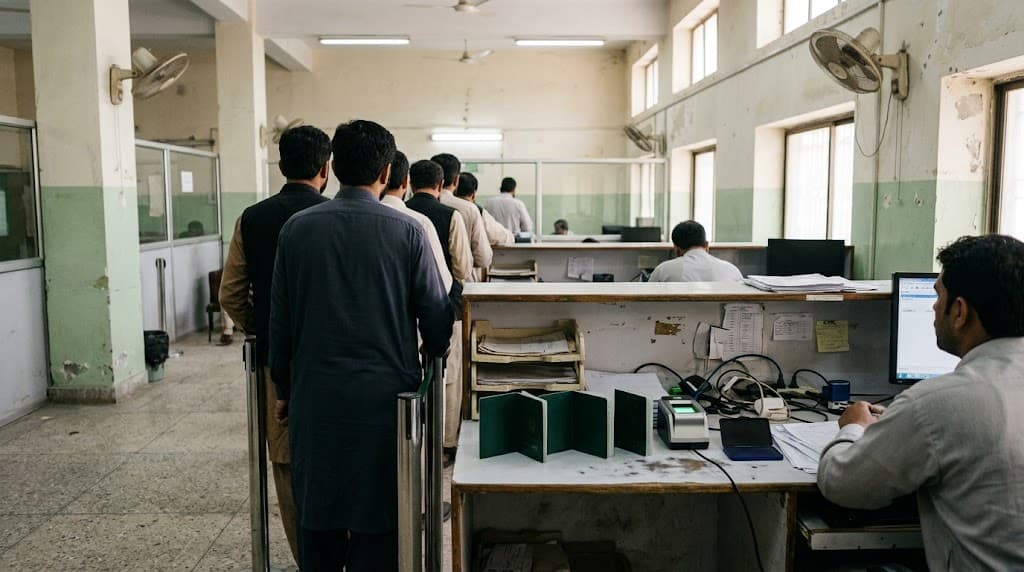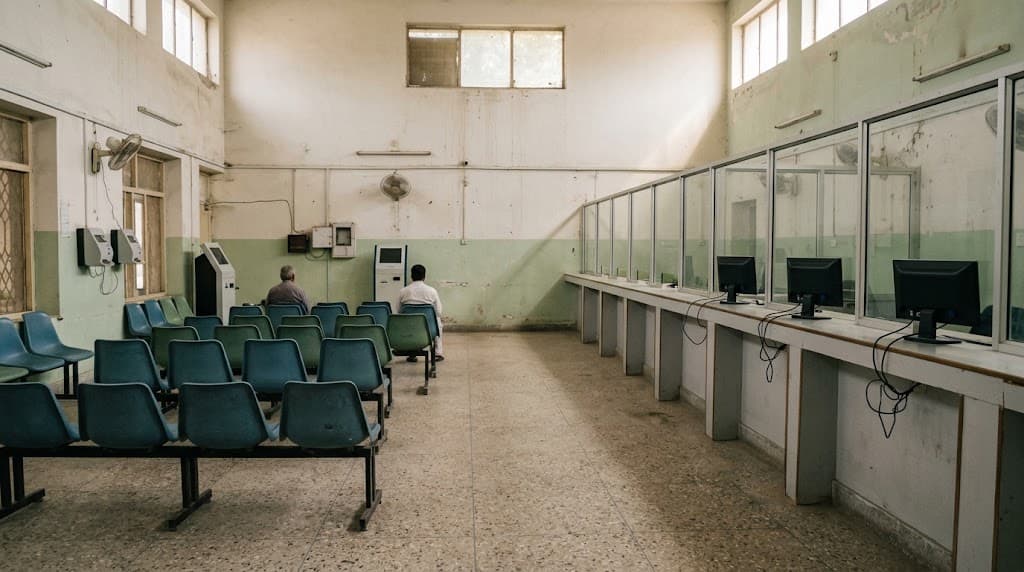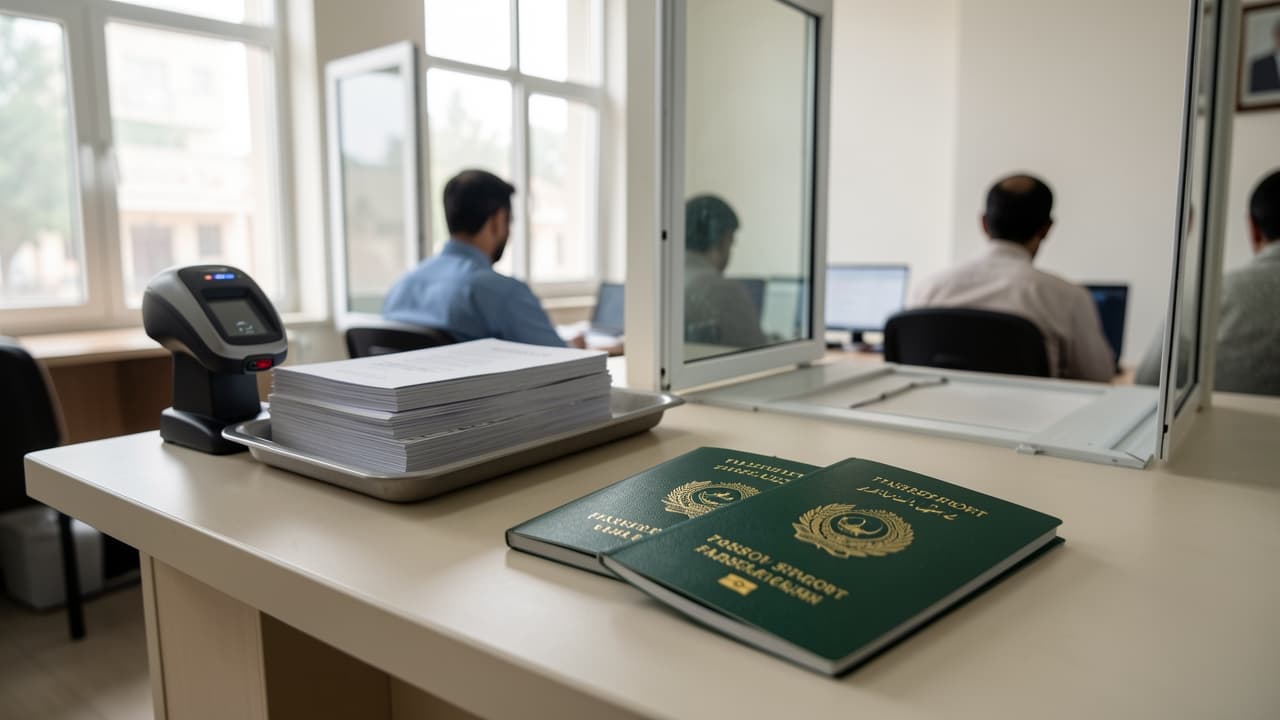
Pakistan’s government plans to roll out the Pakistan e-passport system within about a month and stop issuing new machine-readable passports (MRPs), the Interior Ministry informed the National Assembly on Friday. After the transition, passport offices across the country and Pakistani missions abroad are to issue only e-passports, while MRPs already in people’s hands will stay valid until they expire.
What lawmakers were told
The update came during the National Assembly’s Question Hour after MNA Malik Shakir Bashir Awan raised the matter. Minister for Parliamentary Affairs Dr Tariq Fazal Chaudhry said the government was working to introduce the new system in roughly a month’s time. He framed the move as a way for Pakistan to keep up with changing global immigration rules and wider technological advances in travel documents.
Responding to a further question from Syed Tariq Hussain, the minister agreed that the current machine-readable system needs upgrading to meet those international expectations. He said e-passport technology is already in use in many countries and that Pakistan is moving onto the same path.
How an e-passport differs from an MRP
An e-passport is an electronic passport: a travel booklet with a small computer chip built into it. According to the minister, that chip is meant to harden the document against forgery and misuse. In the Assembly briefing he also described the chip as carrying the holder’s biometric and personal data, which he said should help border systems check identity more reliably and reduce tampering or fraudulent use.
Machine-readable passports, by contrast, are the booklets Pakistan has been issuing until now without that embedded chip. Under the plan described to the House, those older-style documents will no longer be newly printed once the switch is complete—but they will not be cancelled early. Holders can keep using them until the date printed on the passport.
Rollout risks the government flagged
Chaudhry cautioned that the timeline is ambitious. He pointed to Pakistan’s large population and day-to-day operational strain at passport offices as factors that could delay a clean cutover. At the same time, he told lawmakers the government was pushing to finish the transition as soon as possible.
The Interior Ministry’s message to the Assembly was clear on the end state: once the changeover is done, only the Pakistan e-passport will be issued at home and at missions overseas. What the briefing did not set out was a public fee schedule, a step-by-step online application guide, or a tracking method for the new booklets—those practical details will matter to applicants once offices begin issuing the chip-based documents.
Aasan alfaaz mein
Sarkar ne kaha hai ke lagbhag ek mahine ke andar naye machine-readable passport band ho jayenge aur e-passport shuru ho jayenge. Jo passport pehle se ban chuke hain, woh expiry date tak chalenge. Baad mein Pakistan aur bahir ke missions sirf e-passport denge. Passport office ki bheer ki wajah se thora delay ho sakta hai, lekin purane valid passport abhi cancel nahi ho rahe.