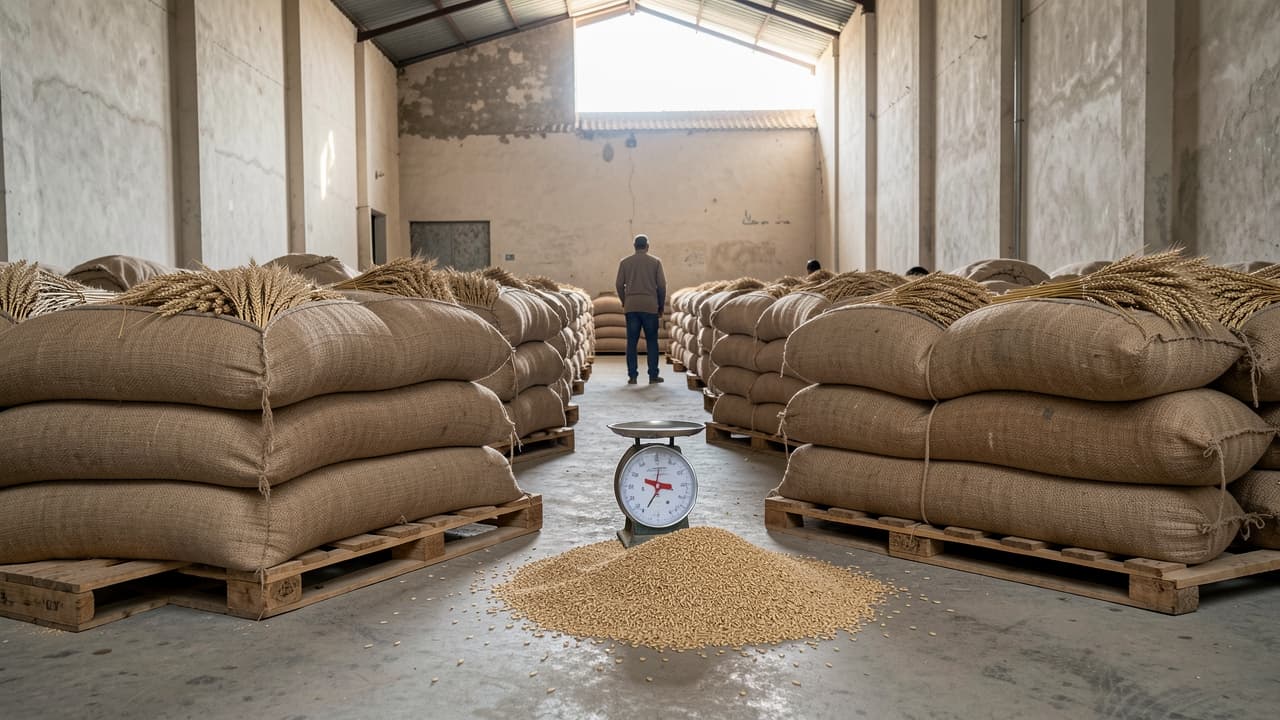
The United Nations Development Programme (UNDP), the UN agency that tracks how people live, released a report on Monday that puts 38.3 per cent of Pakistan's population as multidimensionally poor. The Pakistan figure uses the 2017/18 household survey, the latest data in the index for the country.
What the index measures
The Multidimensional Poverty Index, or MPI, counts hardship that a wage figure can miss. It asks whether a household is short in several areas at the same time: nutrition, child mortality, years of schooling, school attendance, sanitation, drinking water, electricity, housing and household assets. The count follows those overlapping gaps in the life of a household.
The UNDP also gave a measure of how deep that hardship runs. Among Pakistanis already counted as multidimensionally poor, the intensity of deprivation stood at 51.7 per cent. A separate 12.9 per cent of the population was listed as vulnerable, so a sizeable share of people remain at risk of acute deprivation.
Reading the country comparison
Household surveys used for Pakistan, India and Bangladesh were carried out in different years, and the UNDP presents the rates with that difference in timing. On the rates that were published, Pakistan's poverty rate is more than twice India's 16.4 per cent and more than twice Bangladesh's 14.9 per cent. For readers following Pakistan's poverty rate, the result counts overlapping deprivation across health, school and the home.
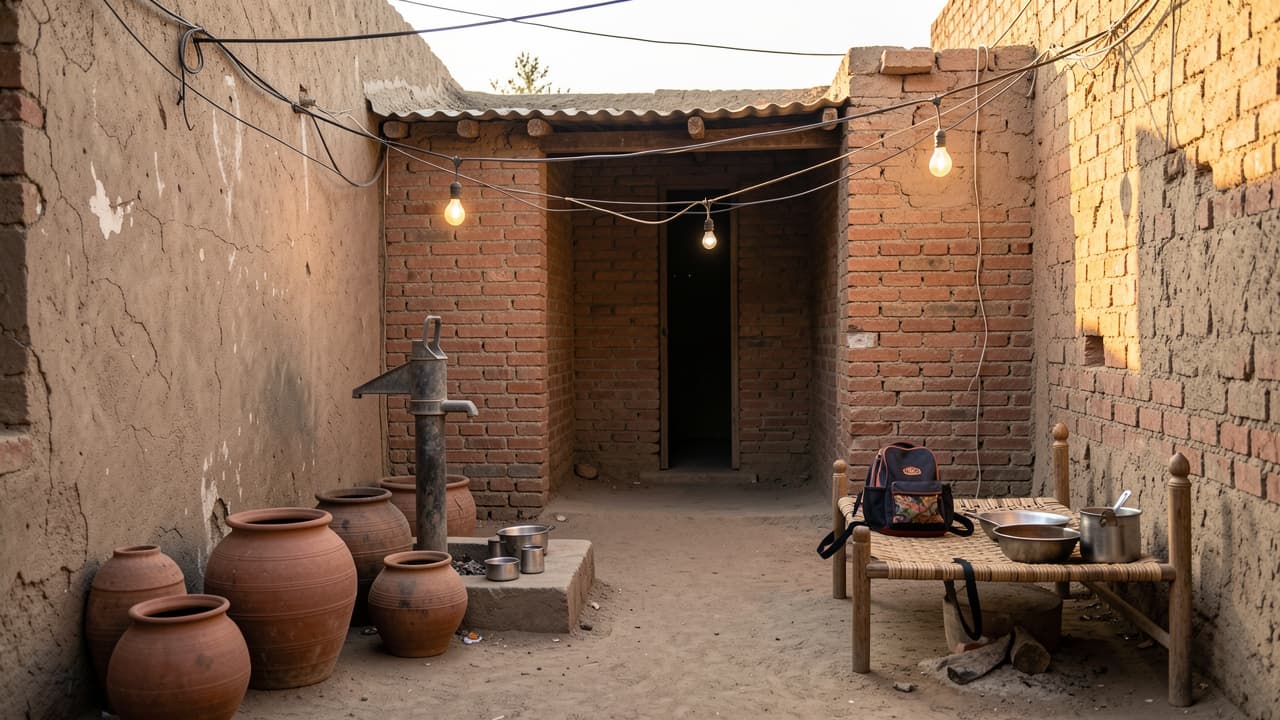
In the UNDP's account, being poor can mean a thin diet, children missing class, or a house without safe water or electric power. The findings describe the task for governments as extending essential services to communities already living with those gaps.
A first rise in 15 years
The same update records a rise in the global number. For the first time in 15 years, the number of people in multidimensional poverty has increased, and the total now stands at 1.2 billion. That total is 51.5 million above the previous update.
The UNDP ties that increase to families struggling to meet basic needs. Across the world, the update treats poverty as a mix of poor nutrition, time away from school, and homes without clean water or electricity.
Children are more than half of the global total, at 617 million. People in rural areas make up 83 per cent of those living in multidimensional poverty worldwide. The findings also say South Asia accounts for a substantial share of that global number.
Aasan alfaaz mein
UNDP ke mutabiq Pakistan ki 38.3 feisad abaadi sehat, taleem aur rozmarra ki zindagi mein aik saath tangdast hai. Yeh hisaab India ke 16.4 feisad aur Bangladesh ke 14.9 feisad se ooncha hai. Mazeed 12.9 feisad log is khatre mein hain ke woh bhi shadeed tangdasti mein chale jayen. Aam ghar ke liye iska matlab hai ke paani, bijli, school aur ghiza ek saath dekhne ki baat hai.