Finance Minister Muhammad Aurangzeb has described stronger fiscal and external balances, rising foreign exchange reserves, credit rating upgrades and renewed access to international capital markets as signs of Pakistan economic recovery. Speaking in Bangkok to institutional investors, he said Pakistan must build on these gains and aim for sustainable growth led by exports. He presented the improvements as progress the government now has to turn into lasting economic activity.
What the Bangkok roundtable covered
The roundtable was organised by Jefferies International on the sidelines of the World Bank Group-IMF Annual Meetings 2026. The IMF, the International Monetary Fund, is the institution behind the lending programme Pakistan is following. Aurangzeb was joined by Finance Secretary Imdadullah Bosal and State Bank of Pakistan Governor Jameel Ahmad. The State Bank is the country's central bank.
Discussions covered progress under the IMF programme, debt management and potential financing options. Those options included Sukuk, a form of Islamic bond, further Panda bond issuance, meaning yuan-denominated bonds sold in China, and tokenization, which means putting assets into a digital form that can be issued and traded.
He linked the investor discussion to two measures. The fiscal balance sets government revenue against spending. The external balance covers Pakistan's dealings with the rest of the world. He described both as improving, and said the task now is to build on them.
Tax reforms and the push for investment
On fiscal reforms, Aurangzeb outlined efforts to broaden the tax base, implement an agricultural income tax, strengthen digital enforcement and improve coordination between the federal and provincial governments so fiscal targets can be met. He also highlighted privatisation opportunities and the importance of expanding business-to-business trade and investment to support economic activity and attract foreign capital.
Broadening the tax base means collecting from more earners. An agricultural income tax would extend taxation to farm income, a step he listed among efforts to meet fiscal targets. Digital enforcement means using electronic checks on compliance, which he linked to closer coordination between the federal and provincial governments.
He treated the better balances, higher reserves and rating upgrades as evidence of Pakistan economic recovery, and said the gains have to be sustained. He reaffirmed the government's commitment to continue economic reforms and to strengthen investor confidence, stressing the need for a stronger foundation for long-term growth.
Energy risks and what comes next
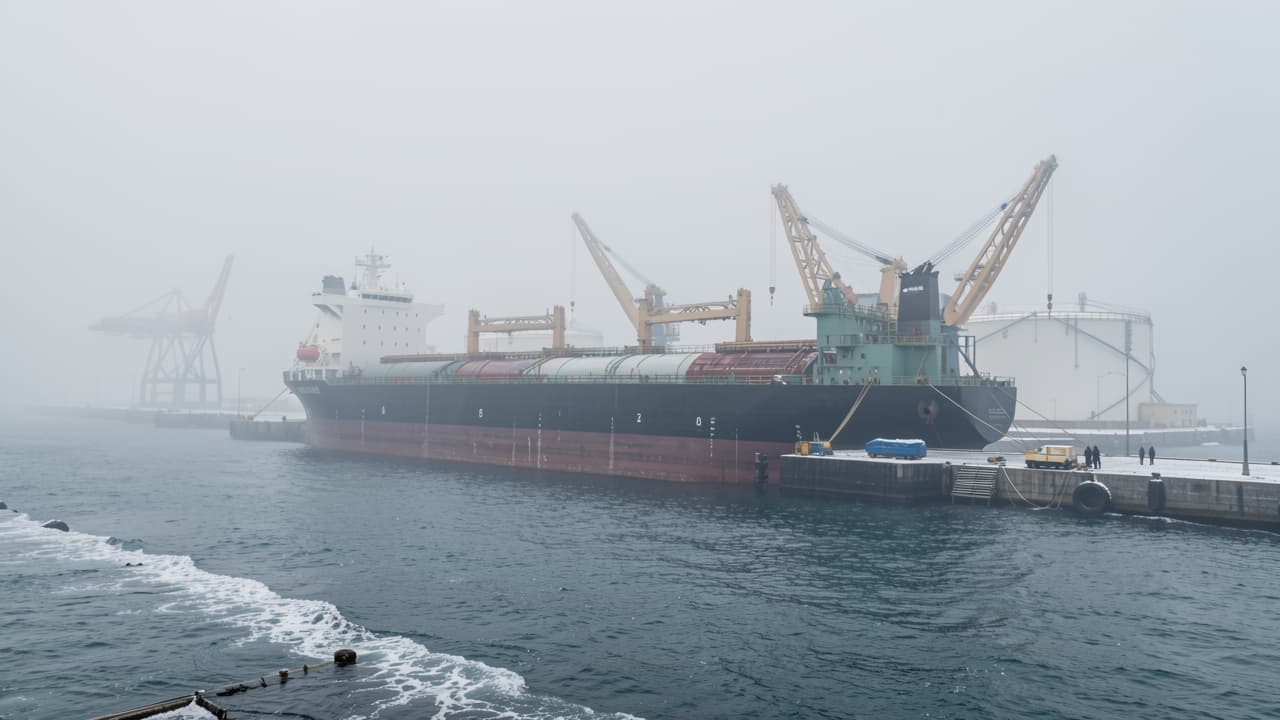
The delegation also addressed concerns about regional geopolitical tensions, energy security, liquefied natural gas obligations and Pakistan's economic engagement with the United States and Saudi Arabia. Liquefied natural gas is natural gas cooled into liquid form for transport, and obligations tied to those supplies were among the energy issues the delegation addressed. Aurangzeb said Pakistan economic recovery has to be carried forward through continued reforms, stronger investor confidence and a shift toward export-led growth.
Aasan alfaaz mein
Finance Minister Muhammad Aurangzeb ne Bangkok mein investors ko bataya ke mulk ki maali halat kuch behtar ho rahi hai. Unhon ne hisaab kitab, reserves aur credit ratings mein sudhaar ka zikr kiya. Woh chahte hain ke yeh sudhaar baramad se chale aur der tak qaim rahe. Aam aadmi ke bills ya tankhwah par abhi koi naya number nahi diya gaya.