A new US military Iran task force, called Iron Gate, has been set up to curb the transit of sophisticated arms and banned materials into Iran by land and across the Caspian Sea. US Central Command announced the move on Saturday, saying the unit will be based in Tampa, Florida, and will work with other US government agencies.
Beyond arms, the unit also aims to block dual-use technologies, which can serve both civilian and military purposes, and to cut off what the US calls illegal income streams.
Pressure on Tehran after eight months of war
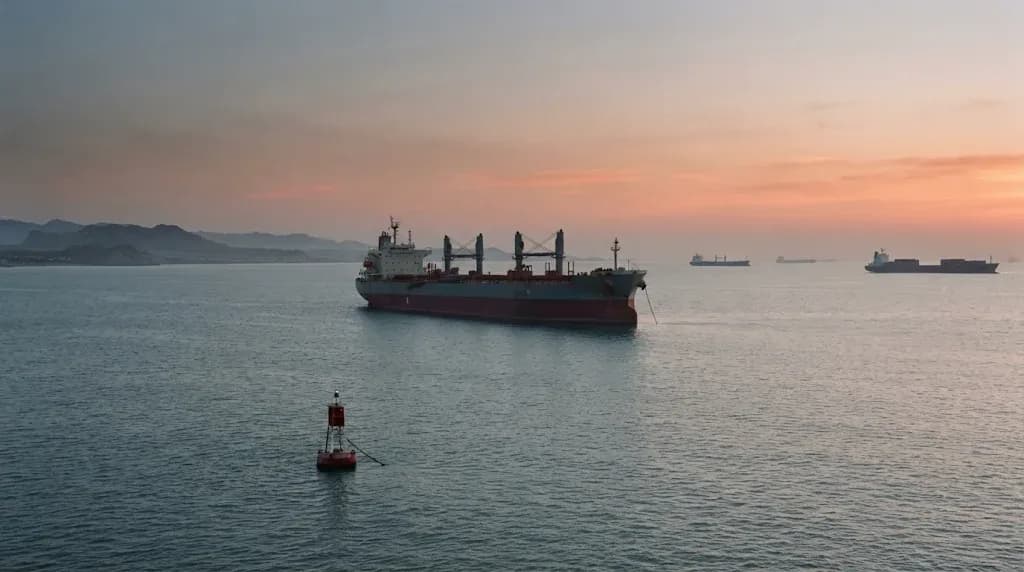
The announcement came more than eight months after the United States and Israel launched a war against Iran. US strikes have caused heavy damage to Iran's conventional military, and a US naval blockade, in place for months, has sharply choked Iran's crude shipments via Hormuz and the Arabian Sea. Central Command estimates the blockade has kept more than $25 billion of Iranian crude from being exported.
A separate investigation found that Iran has built a secret network of military agencies that brought in at least $2 billion in military equipment, explosives and heavy trucks since January 2025, bypassing the blockade and Western sanctions. According to that investigation, the goods arrived by ship on the Caspian from Russia, by overland trucks from Central Asia and by air cargo from China.
Officials and the election backdrop
Admiral Brad Cooper, who commands Central Command, said in a statement that closer work with US agencies would make it harder for Tehran to fund militant activity, rebuild its weapons factories and restock its military. A US military official, who asked not to be named, said the task force is expected to draw in the Treasury, State and Justice departments as well as the intelligence community.
The conflict has also become a political issue at home. Vice President JD Vance linked the war with Iran to the Republican setback in the recent midterm elections, which handed control of Congress to the Democrats, and he seemed to wonder whether the fighting had been worth the cost. Iran, for its part, has shown resilience and gloated over the results.
Trump has threatened a fresh offensive against Iran, which has put Gulf countries on edge because Tehran has warned of broad retaliation against Gulf infrastructure. Mediators have pushed harder over the past few days to bring the fighting to a close, amid fears it could flare again after the midterms. Recent intelligence assessments reportedly suggest that renewed strikes would leave Tehran's bargaining stance largely where it is and would not topple its government.
Timeline: what has happened so far
- January 2025: Iran's secret network of military agencies starts importing goods, which the investigation says total at least $2 billion so far.
- More than eight months before the announcement: the United States and Israel launch a war against Iran.
- Months before the announcement: a US naval blockade begins restricting Iran's crude exports.
- Midterm elections (date not given): the results hand control of Congress to the Democrats.
- Recent days: mediators intensify efforts to end the war.
- Saturday: Central Command announces the US military Iran task force, Iron Gate, based in Tampa.
Aasan alfaaz mein
America ne Iran ke khilaf ek nayi task force banayi hai jo Iran tak hathiyar aur pabandi wala saman zameeni raston aur Caspian Sea ke zariye pohanchne ko rokne ki koshish karegi. Iran ki tel ki exports pehle hi blockade se kaafi kam hain, aur naye hamle ki dhamki se Gulf mein tanao barh gaya hai. Is ka seedha asar Pakistan par abhi wazeh nahi, magar tel ki qeematon aur Gulf mein kaam karne walon par nazar rakhni chahiye. Mediators abhi bhi jang khatam karne ki koshish kar rahe hain.