Objections filed with NEPRA, Pakistan’s power regulator, urge a rewrite of proposed consumer-service amendments. At the heart of the dispute are NEPRA tariff rules on grid-sharing fees, industrial connections and detection bills—charges objectors say should track real network costs rather than flat formulas.
Grid-sharing fees and transformers
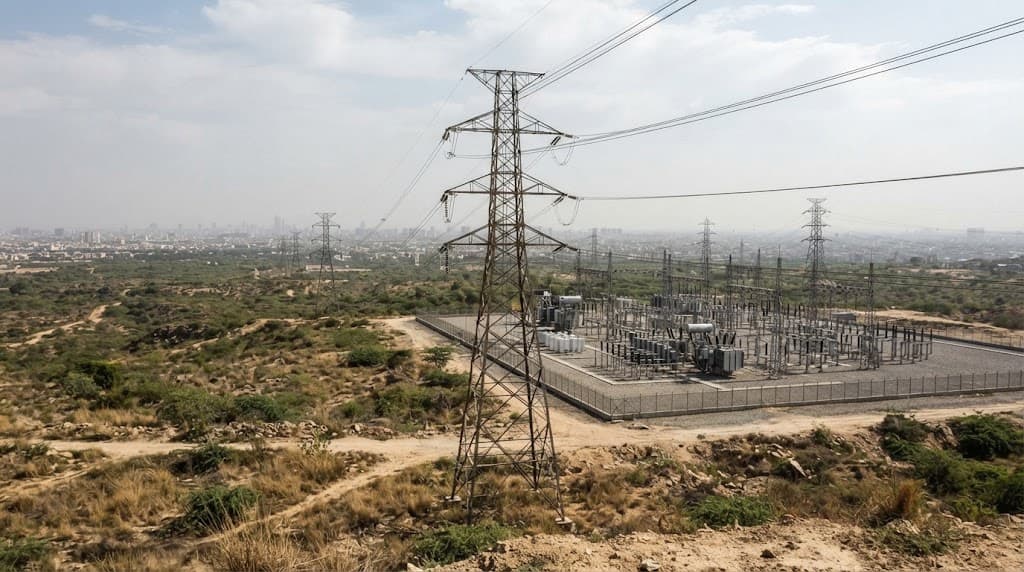
The NEPRA grid sharing charges proposal under challenge sets a fixed Rs8.948 million for each megawatt (MW) of capacity linked through shared grid infrastructure. Objectors argue that fee should mirror what the network actually needs for a given connection, not a one-size rate.
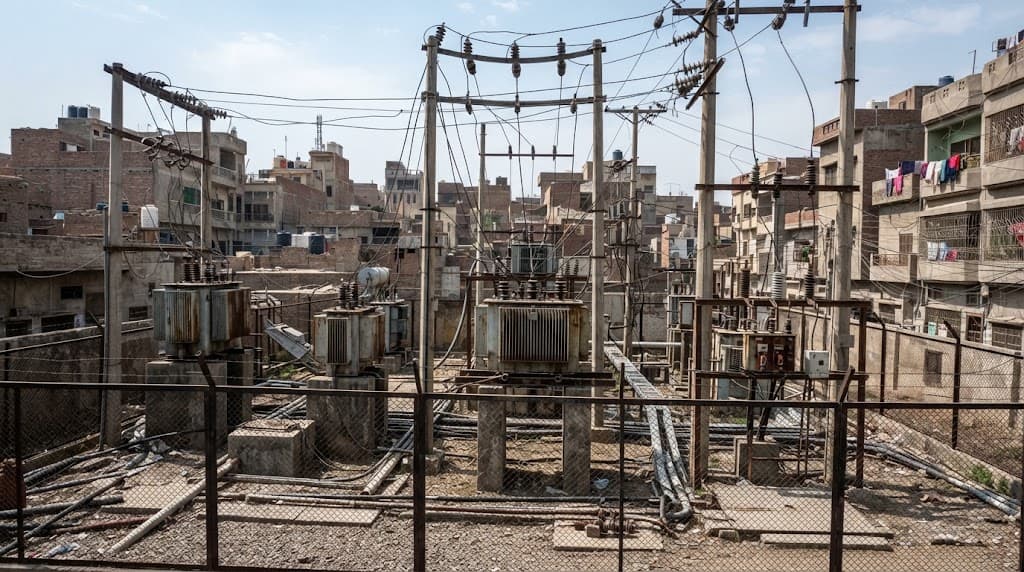
They also propose that customers be allowed dedicated transformers rated up to 1,000 kilovolt-amperes (kVA)—a measure of how much electrical load a transformer can handle—without automatic extra charges. That would matter most for larger commercial and industrial users negotiating how they connect to the grid.
Industrial connections and notice before charges
On industrial links, the submission recommends lower-voltage supply options wherever those are technically workable, which can be cheaper to arrange than high-voltage setups. It also calls for advance notice before temporary disconnections become chargeable, so firms are not billed for outages they were not warned about in time.
Separately, the filing questions K-Electric’s practice of seeking new load surveys when customers ask to reduce their sanctioned load—the maximum demand they are authorised to draw. Clearer rules are sought on related security deposits held against those connections.
Detection bills and disputed amounts
Detection bills—extra assessments raised when a utility alleges theft, meter tampering or unrecorded use—are another focus. Objectors want itemised evidence before such bills stick, so consumers can see what is being claimed and on what basis.
They also seek a pause on collecting formally disputed amounts above specified thresholds while cases are decided within 30 days. That safeguard would sit inside the wider NEPRA tariff rules package for consumer service, not as a change to everyday unit rates themselves.
What happens next depends on how NEPRA weighs these objections against the draft Consumer Service Manual amendments. No final decision is described in the available record; the regulator would need to accept, reject or modify the contested clauses before any new manual takes effect.
Aasan alfaaz mein
NEPRA ke paas draft qawaid pe etirazat file hue hain. Objectors kehte hain Rs8.948 million per MW ka flat grid charge asal zarurat se jurna chahiye. Detection bill pe detail proof maanga gaya hai, aur bade disputed amounts 30 din ke faisle tak collect na kiye jayein. Industry connections aur K-Electric ke load survey / deposit rules bhi wazeh chahiye.