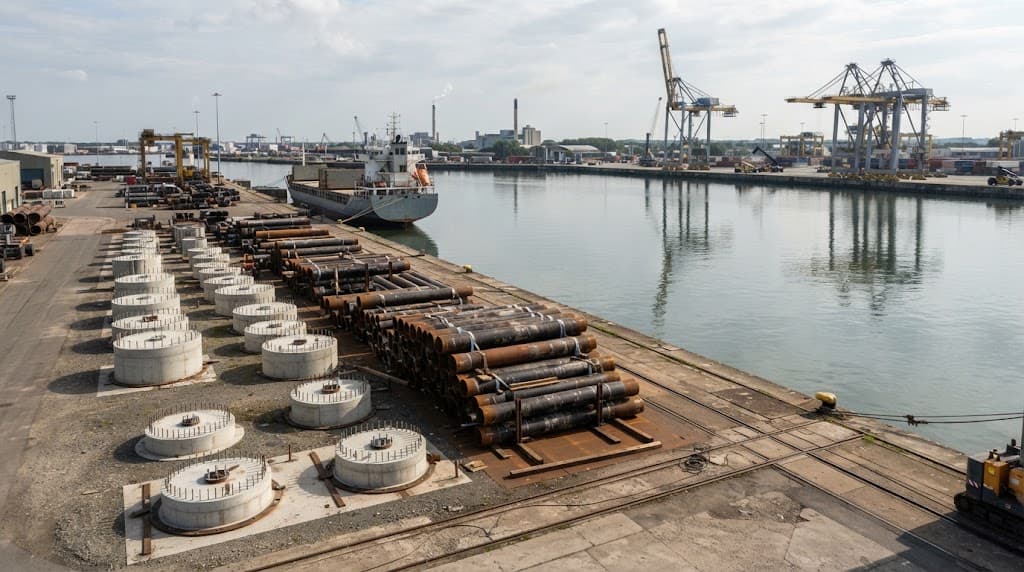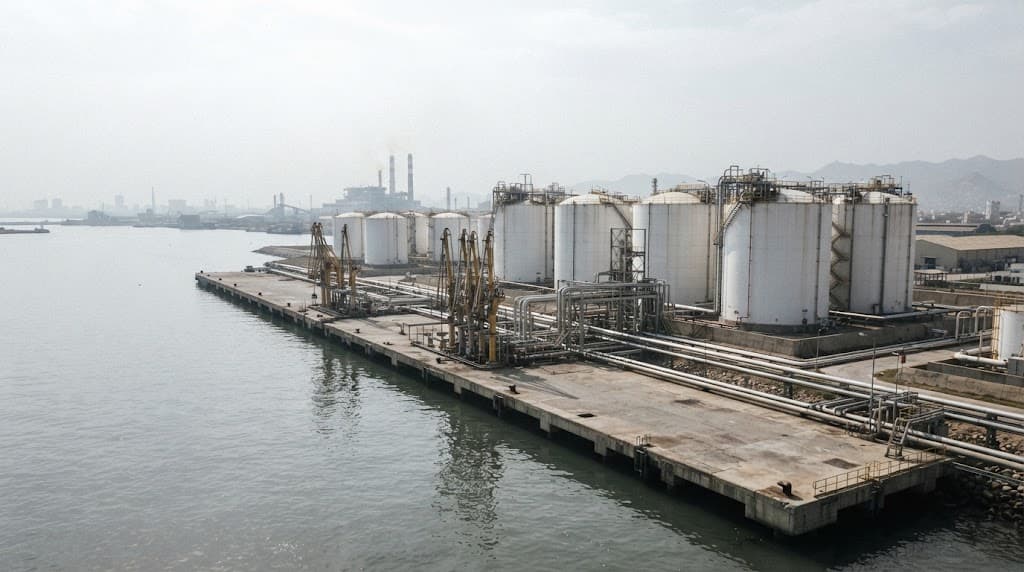
The government is preparing proposals for roughly $1 billion of LPG investment in Pakistan over the next three to five years, aimed at expanding the country’s ability to bring in more liquefied petroleum gas through bigger terminals, storage and transport links. The plans have been submitted to the federal cabinet for approval as part of a broader sector overhaul.
Officials want the package to ease storage and port bottlenecks, allow larger LPG shipments, and help meet rising demand through FY2035-36. The outlay would cover additional terminals, storage facilities, cylinders, filling plants and transportation capacity.
Gaps at Port Qasim
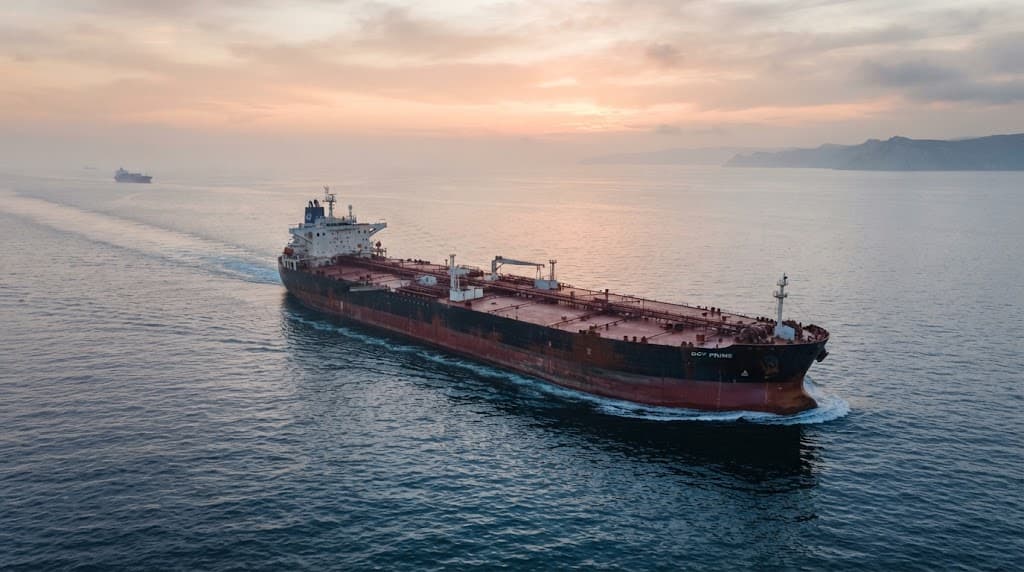
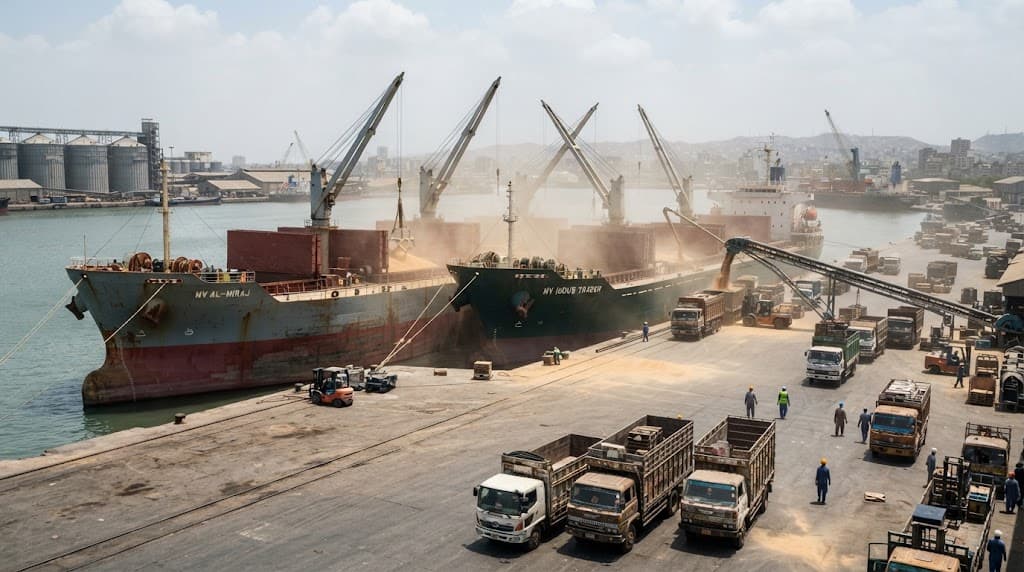
A summary of the proposals points to clear limits in Pakistan’s LPG import setup. The two terminals at Port Qasim each have storage of about 6,500 metric tons and can take vessels of no more than 10,000 deadweight tons (DWT)—a measure of how much cargo a ship can carry. International practice often allows ships of 30,000 to 50,000 DWT.
The country also lacks refrigerated storage and an inter-terminal pipeline. That combination makes it harder to receive bigger cargoes and to cut costs through larger shipments. Pakistan LPG imports therefore depend on relatively small vessels and limited onshore capacity.
What the new terminal plan would add
To close those gaps, the draft guidelines call for land and berth space at Port Qasim for a 40,000-metric-ton LPG terminal. The first phase would add 10,000 to 12,000 metric tons of storage on land with access to the SSGC jetty—the southern gas utility’s existing LPG berth.
That jetty’s 10-metre draft already limits ship size. The government proposes a feasibility study comparing two paths: dredging the Port Qasim approach channel so vessels of about 25,000 DWT can call, or building a jetty that can receive very large gas carriers (VLGCs) together with a refrigerated terminal.
Interim role for state firms
Until new capacity is ready, state-owned entities may be given access to existing terminals and storage. Pakistan State Oil (PSO) and SLL may also be authorised to arrange long-term and government-to-government supply contracts, on lines similar to the KPC arrangement used for high-speed diesel, to act as a national import backstop. State firms may develop or contract extra storage and handling as well.
Any LPG investment in Pakistan on this scale would still need cabinet clearance and further technical work on dredging or a VLGC-capable jetty. For households and commercial users who rely on cylinder gas, the near-term signal is policy intent to widen import capacity rather than an immediate change in retail supply.
Aasan alfaaz mein
Hakumat agle teen se paanch saal mein LPG import system par lagbhag 1 billion dollar kharch karne ka plan le kar cabinet ke paas gayi hai. Port Qasim par bari storage aur bade jahazon ke liye terminal banane ki baat hai, kyunke abhi chhote jahaz hi aa sakte hain. PSO aur SLL jaise state entities ko lambi muddat ki supply deals ki ijazat bhi di ja sakti hai. Gharoon ke cylinders ki supply behtar hone ki umeed hai, magar pehle approval aur phir construction ka waqt lagega.