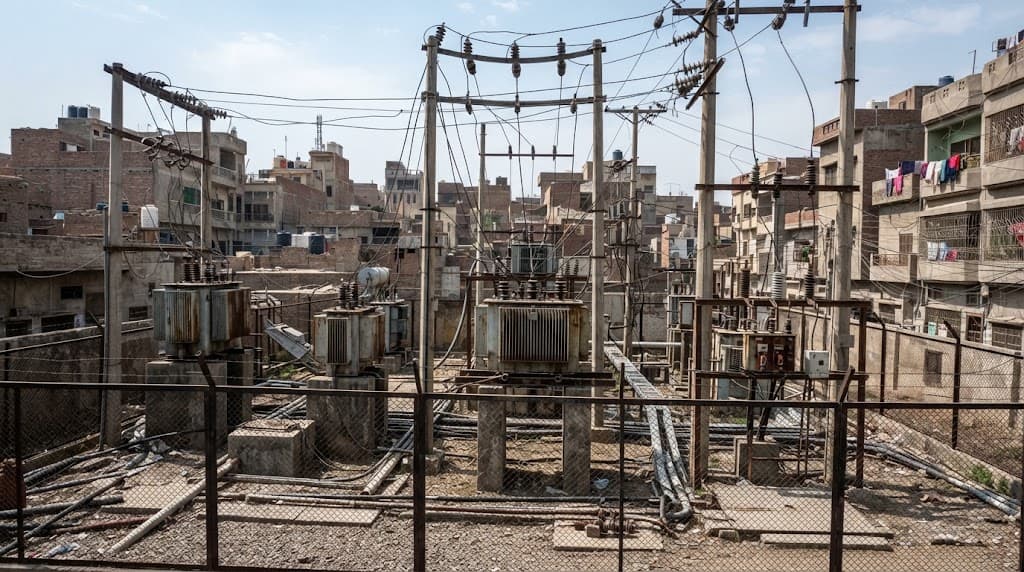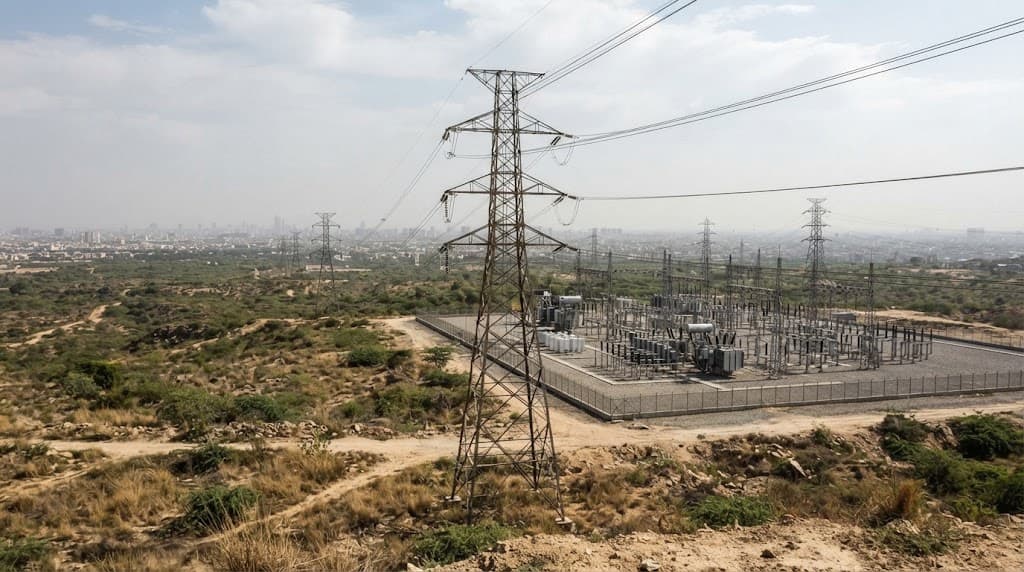
Pakistan’s Privatisation Commission has proposed a wide package of power sector reforms in Pakistan meant to clear the path for selling state-owned power distribution companies, known as Discos. The draft answers investor worries raised on domestic and international roadshows by offering longer-term policy and regulatory clarity before those sales.
At the centre of the plan is ending the uniform electricity tariff that currently applies across Discos. Licensed private Competitive Suppliers could charge different rates based on procurement costs, demand patterns, payment records and service standards. Households and other users still needing a safety net would stay on regulated tariffs under a Supplier of Last Resort (SoLR) arrangement—a backup supplier that keeps power flowing where competition is thin or if a private supplier fails.
What else the draft would change
The proposals sit in a 25-page paper on a post-privatisation regime for Discos covering market design, business models and regulatory oversight. Besides tariff flexibility, the package includes a time-bound effort to reduce tariff differential subsidies and bring domestic electricity prices closer to actual supply costs, while keeping targeted relief for vulnerable households. The regulatory multi-year tariff window would lengthen from five years to seven.
Distribution would also be split in two. A Distribution Network Operator (DNO) would run the physical grid as a regulated natural monopoly, give all licensed suppliers fair access to the wires, and bear line losses above benchmarks set by Nepra—the power regulator that would watch both networks and retail competition. Retail supply would move to competing suppliers. Utility returns would shift from asset-heavy formulas toward a performance model called Return on Equity, Improvements, Efficiency and Losses (RIEL), with a base return drawn from the Capital Asset Pricing Model and bonuses linked to service quality, efficiency and loss cuts. Savings against loss benchmarks would be shared equally between owners and consumers; performance-based returns would be capped at 50 per cent and audited each year.
How power buying and legacy costs would move
Under the model, the state would gradually leave direct electricity procurement and retail. The Central Power Purchasing Agency (CPPA-G)—today the single buyer for much of the system—would give up that retail role. Competitive Suppliers would buy power, hold customer portfolios and compete for users, including tailored offers for industrial, commercial and agricultural customers plus efficiency and payment packages.
A core safeguard is that legacy capacity-payment obligations would travel with customer portfolios to private suppliers, so buyers cannot take only profitable accounts and leave fixed costs with the government. As each Disco is privatised, CPPA-G or a designated body would auction contracted capacity. Winning bidders would take a matching share of payment duties and a mixed customer book, including protected consumers and existing cross-subsidies. Bidding would be voluntary; the one-megawatt eligibility floor and the 400-megawatt and 800-megawatt transfer caps would go, with leftover capacity offered in later auctions.
Existing power purchase agreements between CPPA-G and independent power producers would stay in place. CPPA-G would sign separate deals with private suppliers and allocate energy from the generation pool on a pro-rata basis rather than tying suppliers to named plants. Over time, as old contracts expire, suppliers would take on demand forecasting and their own procurement through bilateral contracts, auctions or organised exchanges.
The DNO owner in each territory would hold the SoLR licence, keep unallocated customers, step in if a supplier defaults, and handle billing, collections, support and subsidised tariffs for protected consumers. Nepra would set how failed suppliers’ customers are moved.
What happens next
These power sector reforms in Pakistan are still a proposal, circulated for comment to ministries, regulators and investors—not an approved framework. The Privatisation Commission is expected to present the package to the prime minister this week. If adopted, retail markets would open regionally as Discos are sold, with cross-territory trading under regulated rules. Until then, the uniform-tariff system and CPPA-G’s single-buyer role remain the baseline ordinary consumers know.
Aasan alfaaz mein
Sarkar Disco bechne se pehle bijli ke nizam mein bari tabdeeliyaan soch rahi hai. Ab har jagah same rate ki bajaye private suppliers alag rate de sakte hain, lekin zarurat par regulated backup supply bhi rahegi. Mehngai aur subsidy ko asli cost ke qareeb laya jaye ga, magar kamzor gharanon ke liye madad rakhi jaye gi. Yeh abhi draft hai; final faisla baad mein hoga.