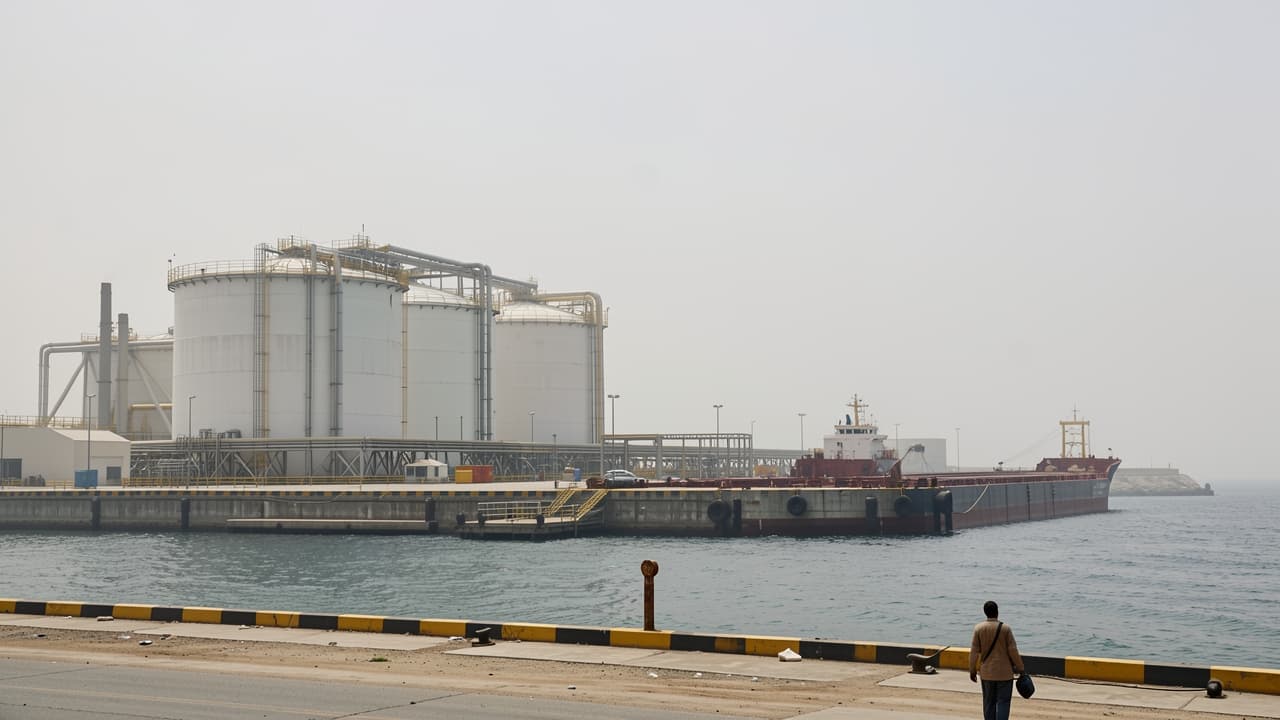
Oil prices rise today after attacks on Saudi Arabia and ships near the Strait of Hormuz outweighed talk of extra supplies. Brent crude, a widely used international benchmark, settled at $106.65 a barrel, up $1.93, or 1.8 percent, its highest close since 15 September. US West Texas Intermediate (WTI), the main American benchmark, settled at $93.74, up $1.89, or 2 percent.
The move was nearly $2 a barrel in Monday's New York and London trade. Buyers focused on the chance that fighting could slow crude from Saudi Arabia, one of the world's largest producers, even as US President Donald Trump pointed to extra Russian diesel and a ceasefire on energy targets.
Supply fears after the Saudi attacks
The Houthis said they carried out a Saturday strike on Riyadh's international airport that killed 13 people and wounded more than 300. Further attacks followed on Sunday. Investor Louis Navellier wrote that the airport strike would escalate retaliation against the Houthis in Yemen. He said Saudi refineries were operating, although five had been temporarily closed when a pipeline to the Red Sea was shut after missile attacks.
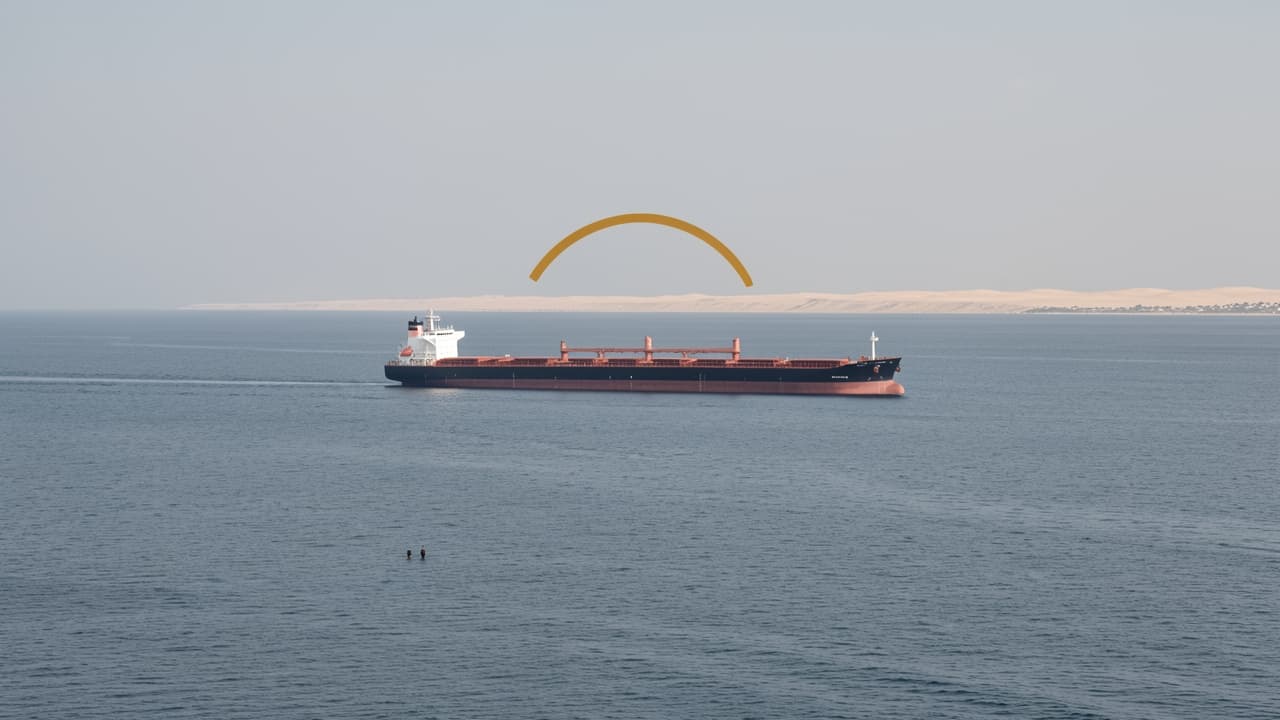
The United Kingdom Maritime Trade Operations said a tanker was hit by a drone near Oman's Sohar and another was damaged while passing through Hormuz. Wider attacks on tankers in the strait have also been reported this month, which could slow the recovery in Middle East crude exports seen in September. SEB analyst Bjarne Schieldrop said the feeling that Hormuz exports were getting back to normal "was shattered last week," and that the new Saudi attacks added to the pressure on prices.
In the Gulf of Mexico, Shell, Chevron and BP sought to return staff and restart platforms after Hurricane Isaias made landfall early on Saturday. That would add supply, but Monday's prices showed the attacks mattered more.
Diesel flows and a disputed ceasefire
Monday's global oil prices per barrel moved higher for crude, but ICE gasoil futures fell 2.3 percent to $1,449 a metric ton. Traders weighed the oil prices rise today against that weaker diesel market. Trump said on Friday that Russia would immediately supply more than 300,000 metric tons (2.25 million barrels) of diesel to American and world markets, with more to follow.
Jim Ritterbusch, an analyst in Florida, said the flow would build slowly and that the amounts expected in the coming month were unlikely to force prices much lower before US midterm elections in three weeks. PVM analyst Tamas Varga said the deal's immediate impact was doubtful because Russian refining capacity has been severely reduced. He added that Moscow had partly lifted a diesel export ban, releasing 500,000 tons (about 3.7 million barrels), which he called roughly one day of US use and about 13 percent of global demand.
On Sunday, Trump said Ukraine and Russia had agreed a ceasefire covering energy infrastructure. President Volodymyr Zelenskiy accused Russia on Monday of violating it. Russia offered no comment, so Moscow has not confirmed the allegation.
Fatih Birol of the International Energy Agency said members should judge whether further diesel releases are needed, and that governments which have not yet delivered pledged volumes should speed them up, putting diesel first. Goldman Sachs lifted its December Brent forecast to $90 a barrel from $85, with a risk premium it put at just over $20. The bank said WTI should stay cheaper than Brent because US-Europe shipping costs are high, averaging $81 in December 2026 and $73 in 2027.
Timeline: what has happened so far
- Friday: Trump said Russia would at once supply more than 300,000 metric tons of diesel.
- Saturday: The Houthis claimed the Riyadh airport strike that killed 13 people and wounded more than 300. Hurricane Isaias reached land, and Gulf of Mexico producers moved to restore output.
- Sunday: Further attacks occurred, and Trump announced an energy-infrastructure ceasefire between Ukraine and Russia.
- This month: UK Maritime Trade Operations reported a drone strike near Sohar and damage to a tanker in Hormuz, after September's export recovery.
- Monday: Brent settled at $106.65 and WTI at $93.74. Zelenskiy said Russia had broken the energy ceasefire; Russia did not comment.
Aasan alfaaz mein
Monday ko aalmi bazaar mein tel ki qeemat qareeb 2 dollar fi barrel barh gayi. Brent 106.65 dollar aur WTI 93.74 dollar par band hue. Saudi Arab aur Hormuz ke hamlay supply ka khatra ban gaye, lekin Russian diesel ki khabar se diesel ka alag bhao gira. Is khabar mein Pakistan ke pump par petrol ya diesel ki nayi qeemat nahi di gayi.