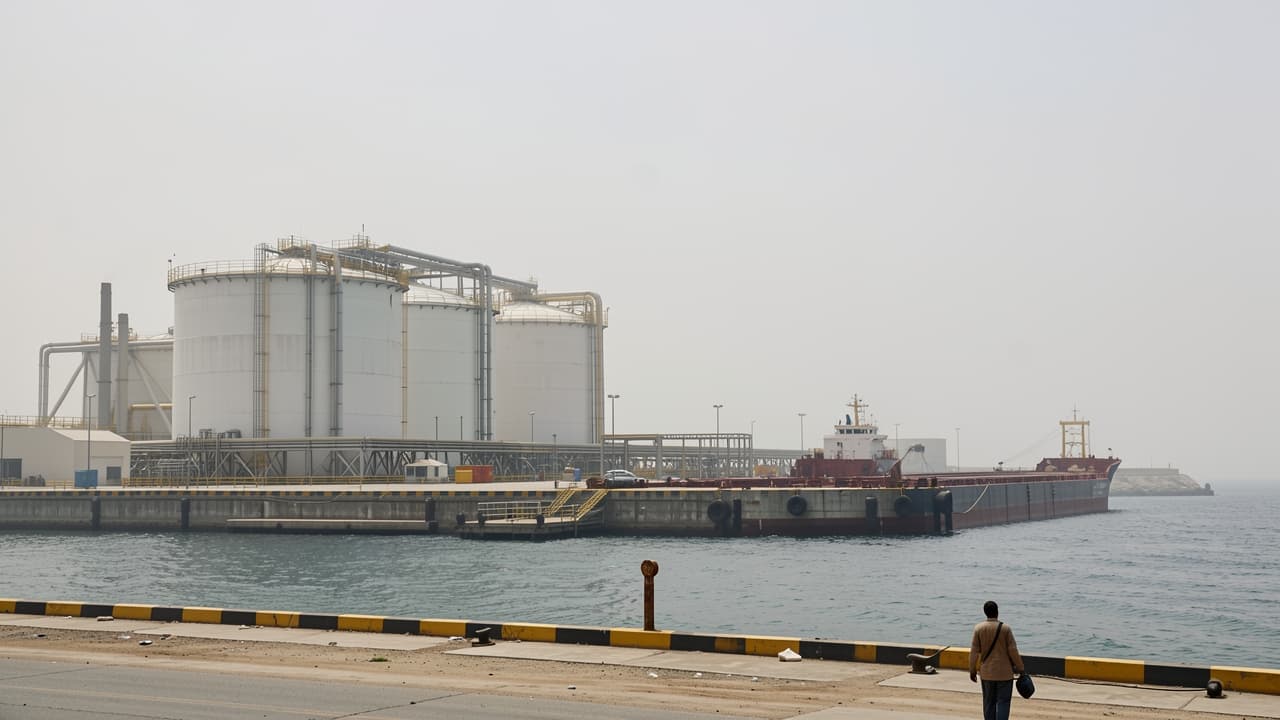
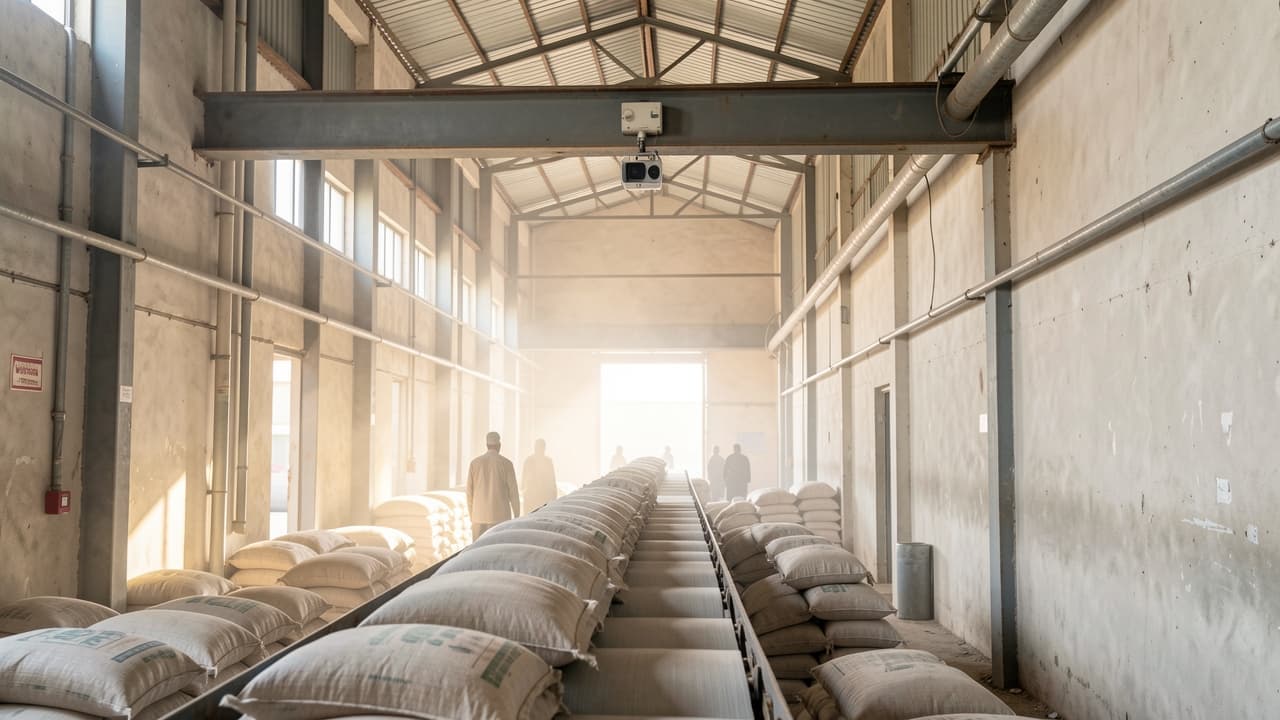
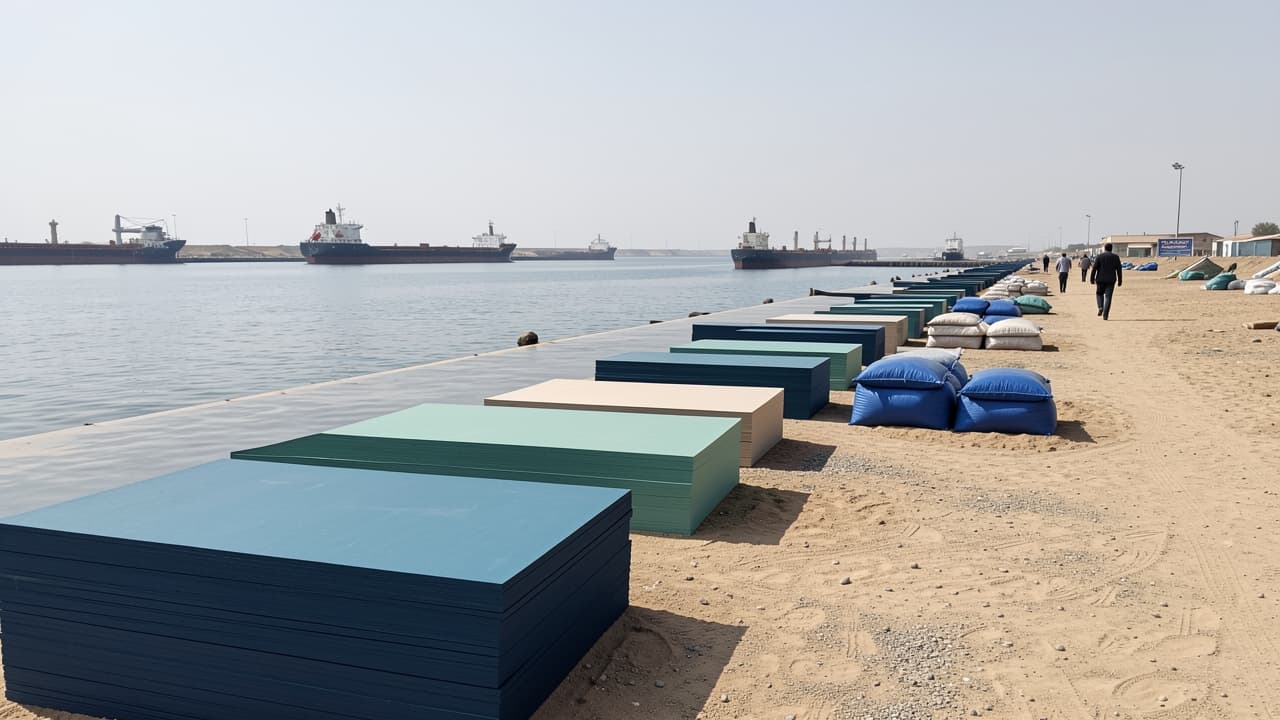
The World Bank Group said on October 12 that it has helped draw nearly $3.2 billion of private money into projects in Pakistan since 2022. The money comes from international lenders, domestic banks and businesses rather than from the government's own budget, and the bank argues that this kind of finance can ease pressure on public resources.
The bank is careful about what the figure measures. Mobilised private capital is money that the bank's financing and guarantees helped attract, so it is not the same as loans the bank has extended to Pakistan. The sources do not give a total for World Bank loans to Pakistan, so this article cannot state one.
How the approach works
The bank said its work in Pakistan uses loans and guarantees to bring in foreign lenders and domestic banks, and encourages companies to adopt environmentally sustainable technologies. A guarantee is a promise that covers part of a lender's risk if a project runs into trouble, which can make banks more willing to lend. Across all developing countries, the group put private capital mobilisation at a record $112 billion in fiscal year 2026, compared with $35 billion in fiscal year 2022.
The bank linked this growth to three years of changes meant to simplify procedures and improve coordination between its public and private sector teams. In low-income countries, where private investment is harder to attract, the figure stayed at about $3 billion, the bank said.
Dasu and Punjab projects
The largest example cited is the Dasu Hydropower Project, which WAPDA, Pakistan's state water and power agency, is developing with World Bank Group support. The IDA, the bank's low-cost lending arm for poorer countries, provided an initial credit of $588 million. A World Bank guarantee of $460 million then helped bring in $338.5 million from international lenders and Rs144 billion from a group of domestic banks. The first phase is projected to add 2,160 MW of renewable generation capacity, along with local employment and economic activity.
A second example is the Punjab Green Development Program, run by the provincial government to strengthen environmental governance. A $200 million IDA credit supported the programme, which generated $102.7 million of green investment, including $52.7 million from private sources. According to the bank, 98 small and medium enterprises (SMEs) and 653 microenterprises adopted cleaner technologies, and the work contributed to around 1,600 jobs.
What comes next
The bank places this work within its ten-year country partnership plan for Pakistan, which covers fiscal years 2026 to 2035. That plan gives priority to human capital, growth led by the private sector, and resilience to economic, social and environmental shocks. Whether that money becomes productive investment, sustainable jobs and better public services is still open. The reports do not measure those results.
The sources do not give a completion date for Dasu or a timetable for the other projects, so readers should watch for updates from WAPDA, the Punjab government and the bank.
Aasan alfaaz mein
World Bank ne kaha hai ke us ne 2022 se ab tak Pakistan ke liye lagbhag 3.2 arab dollar nijee sarmaya jama karne mein madad ki hai. Iska matlab hai ke loan aur guarantee ke zariye bahar ke lenders, local banks aur businesses ko projects mein paisa lagane ki targhib di gayi. Dasu hydropower project se bijli ki supply barhne ki umeed hai, aur Punjab ke green programme se chhote karobar saaf technology apnane lage hain. Lekin ghar ke bijli ke bill ya naukri par seedha asar kitna hoga, yeh sources mein saaf nahi likha.