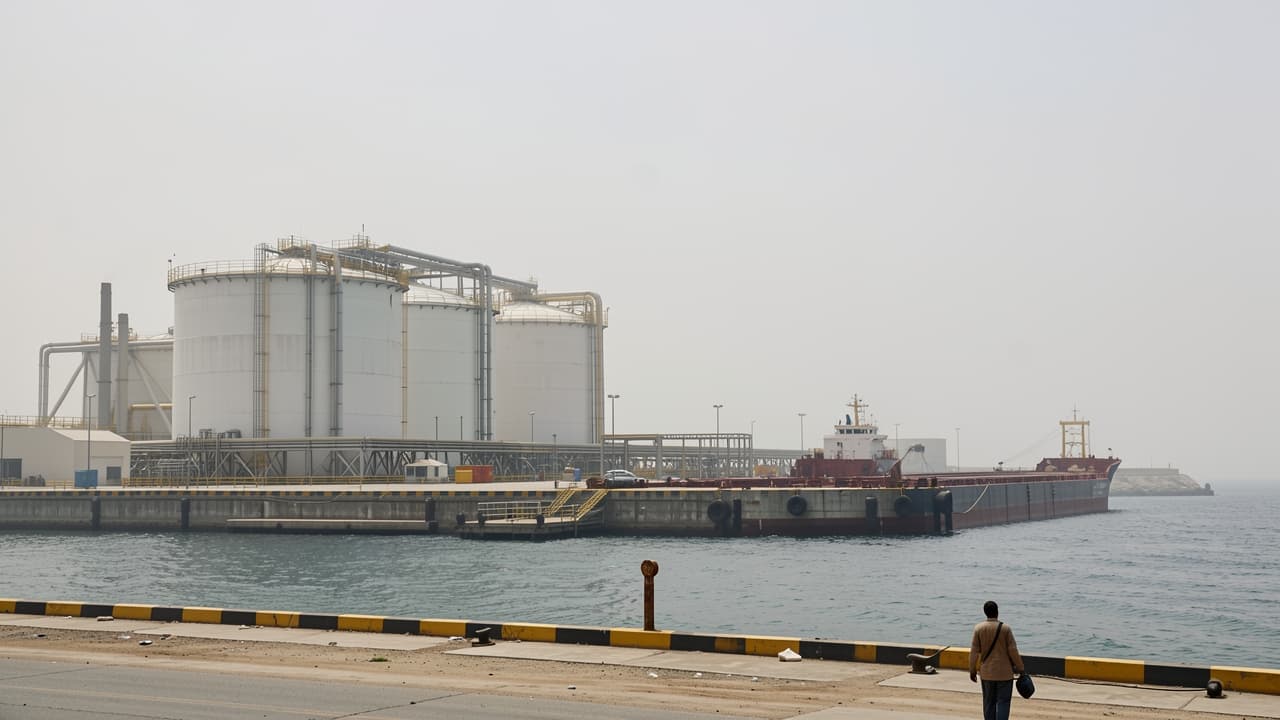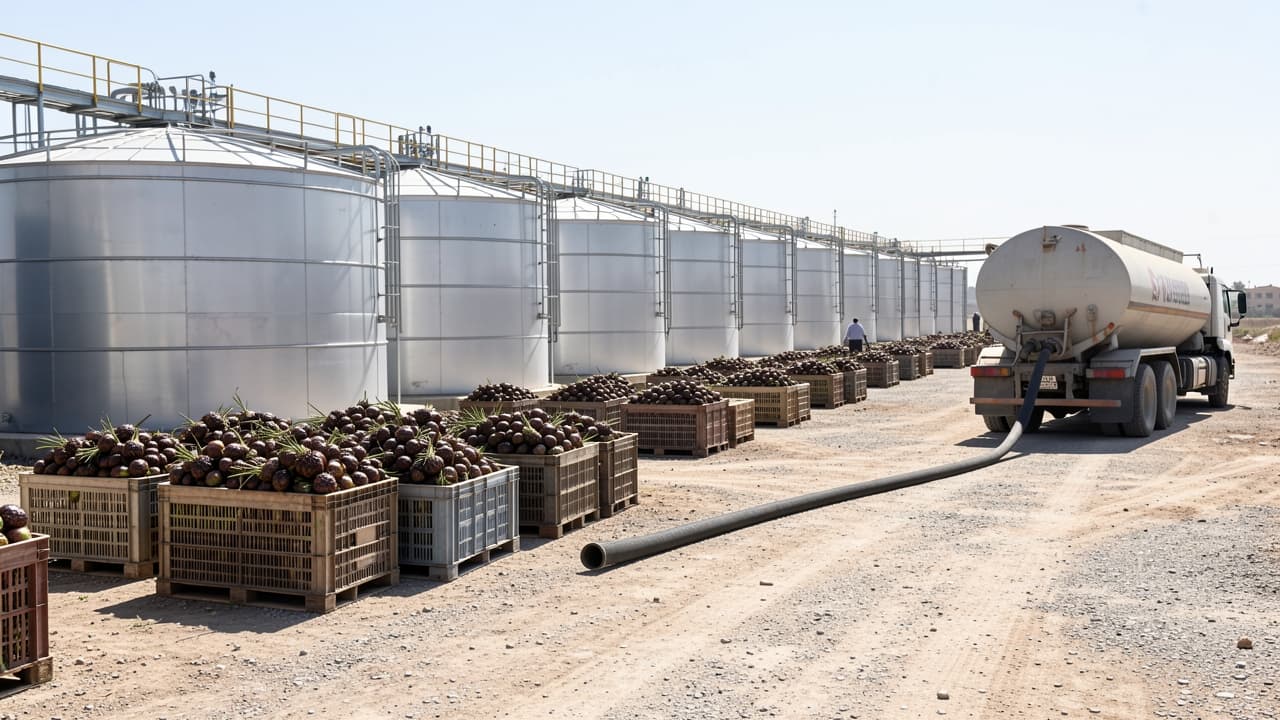
Pakistan has no fresh rupee cooking-oil quote in the latest trading accounts. The price that moved is the Malaysian futures contract importers follow. On the Bursa Malaysia Derivatives Exchange, the market where palm oil is bought and sold for later delivery, the benchmark December contract fell 39 ringgit, or 0.84 percent, to 4,598 ringgit (about $1,125.86) a metric ton by Tuesday's midday break. The ringgit is Malaysia's currency, and the fall came a day after the same contract had risen 1 percent.
From Monday's rebound to Tuesday's slip
On Monday the December contract gained 46 ringgit, or 1 percent, and closed at 4,638 ringgit, about $1,136.49 a ton, after a 1.48 percent fall in the previous session. Early that day it was up 43 ringgit, or 0.94 percent, at 4,635 ringgit (about $1,136), helped by firmer Dalian palm olein, though softer soyoil and crude were limiting the move at that hour. By the close, Dalian's palm contract was up 0.23 percent and Chicago soyoil was up 0.41 percent, while Dalian soyoil was down 0.3 percent. A Kuala Lumpur-based trader said firmer Dalian olein was supporting crude palm oil, but the likelihood of bigger stocks by month-end was limiting the climb.
The tone softened by Tuesday midday: Dalian's most-active soyoil contract fell 0.74 percent and its palm oil contract fell 1.05 percent, while soyoil on the Chicago Board of Trade was down 0.55 percent. Palm oil prices tend to track these rival edible oils, because buyers can switch from one vegetable oil to another. Crude oil was lower as well and headed for its first drop in nearly a week, with traders weighing supply risks from attacks on Saudi Arabia against possible extra diesel supplies from Russia. Cheaper crude leaves palm less useful as an ingredient in biodiesel, the fuel made by mixing vegetable oil into diesel.
High stockpiles, and a faster export start
September left the market heavy with oil. Malaysia's palm oil stockpiles surged to 3.51 million metric tons as production hit an all-time high and topped expectations. Output rose for a fourth straight month, jumping 16.48 percent to 2.12 million tons and passing the previous high from August 2015. Exports fell for a second straight month, sliding 12.13 percent to 1.12 million tons.
Cheang Kang Wei, agricultural commodities analyst at the Singapore-based brokerage StoneX, said traders had already priced in that weak September stock figure, with the contract softening both before the Malaysian Palm Oil Board numbers and after they were released. What matters next, he said, is whether stocks keep climbing in October: they may stay large, but the increase should lose speed. By November, he added, the stock build should cool if exports stay above 1.5 million tons and production levels off near 2.0 million tons. Should demand stay soft and output remain near the record, he said, stocks could linger above 3.5 million tons and keep pressure on prices.
For the first 10 days of October, shipment surveyors estimated Malaysian palm oil product exports at 33.5 percent to 37.7 percent above the same period a month earlier. Cheang said the market is "looking beyond the current inventory situation" toward supply risks in 2027, including the delayed effect of El Nino, a Pacific climate pattern that can hurt later crops, and Indonesia's growing biodiesel demand under B50. On Monday the ringgit rose 0.05 percent against the dollar, making palm slightly costlier for buyers using other currencies. Anyone comparing the palm oil price in Pakistan today with a tin of cooking oil should read 4,598 ringgit as that Malaysian benchmark, not a local shelf price.
Timeline: what has happened so far
- August 2015: Malaysia recorded a palm oil production high later overtaken in September.
- September: Stockpiles reached 3.51 million metric tons; production rose 16.48 percent to 2.12 million tons; exports fell 12.13 percent to 1.12 million tons.
- Session before Monday: The December contract fell 1.48 percent.
- Monday: The contract closed 1 percent higher at 4,638 ringgit ($1,136.49) a ton after early gains of 0.94 percent. Surveyors estimated 1-10 October exports up 33.5 to 37.7 percent on the month. The ringgit gained 0.05 percent against the dollar.
- Tuesday midday: The contract fell 0.84 percent to 4,598 ringgit ($1,125.86) a ton.
Aasan alfaaz mein
Malaysia ka palm oil futures mangal ki dopahar tak 0.84 percent gir kar 4,598 ringgit prat ton ho gaya. Somwar ko yahi contract 1 percent barh kar 4,638 ringgit par band hua tha. September ka stock 3.51 million ton tha, is liye bhao upar nahi ja paa raha, jabke 1 se 10 October ki export 33.5 se 37.7 percent zyada andaza hai. Yeh Pakistan ki dukaan wala cooking oil rate nahi; ghar ka bill tabhi badlega jab local qeemat badle.