What the Assembly was told
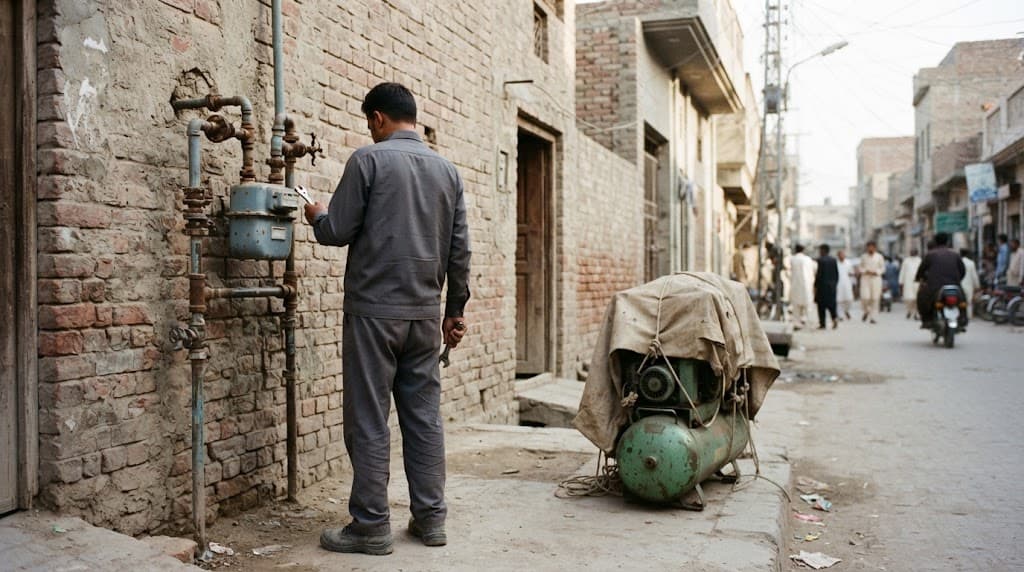
Official figures placed before the National Assembly show that Pakistan's top 10 gas fields still hold 10.6 TCF—precisely 10.605 trillion cubic feet (TCF means a thousand billion cubic feet)—that operators can still produce. The same briefing lists about 105 million barrels still available at the country's ten largest oil sites.
The Petroleum Division supplied the numbers. They underline how much conventional fuel stock remains underground even after decades of lifting, and they sit alongside steps Islamabad says it is taking to lift more oil and gas at home.
Gas stock left at the main fields
Across those ten gas sites, original recoverable volume once totalled 43.358 TCF. By 30 June 2026, cumulative lifting had reached 32.753 TCF, leaving the 10.605 TCF still on the books.
Mari HRL in Ghotki district sits first for what is left, at 2.777 TCF. Uch in Dera Bugti follows with 2.551 TCF. Kandara in Sukkur is listed at 1.858 TCF, and Mari Ghazij, also in Ghotki, at 1.723 TCF.
Sui—long one of Pakistan's core producers—shows 621 billion cubic feet (BCF) still recoverable against an original 12.655 TCF. Operators had already taken 12.034 TCF from Sui by the same June cut-off. Qadirpur in Ghotki retains 603 BCF; Kandhkot in Kashmore 355 BCF; Sawan in Khairpur 83 BCF; Bhit in Dadu 23 BCF; and Zamzama in Dadu 11 BCF.
Oil left at the ten largest sites
For oil, the ten biggest fields began with 567 million barrels judged recoverable. Production has already removed 462 million barrels, so 105 million barrels remain on the recoverable list.
Bargzai in Kohat leads that shortlist with 49 million barrels still marked recoverable. Pashaki and Pashaki North in Hyderabad follow with 11 million. Nashpa in Karak, Adhi in Rawalpindi and Dhurnal in Attock are each shown near nine million barrels. Kumar in Hyderabad has eight million; Makori East in Karak six million; Balkassar in Chakwal two million; and Meyal in Attock one million. Dhokian in Attock is recorded with nothing left to recover in the document.
Push to find and develop more fuel
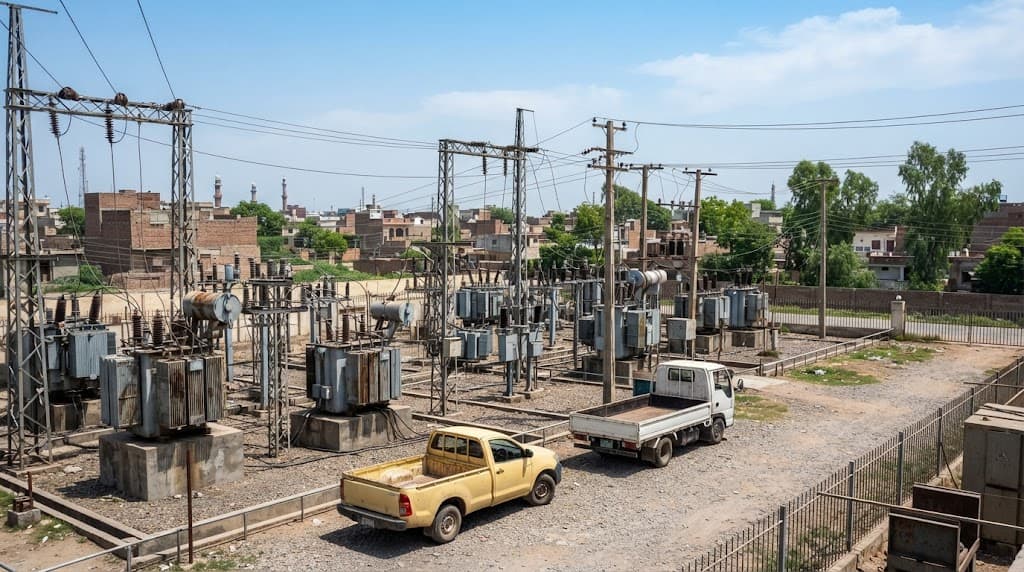
To shore up home supply and slow the fall in local output, the Petroleum Division has set out licensing and policy steps meant to draw capital into new drilling.
A deepwater licensing auction ran in October 2026—the first of its kind in almost twenty years—and 23 offshore tracts went to Pakistani and overseas firms. Over the previous three years, five land-based auctions awarded 46 tracts. A detailed, high-resolution study of the country's basins is also under way to map fresh prospects.
On policy, the Council of Common Interests (the federation–province forum) cleared the Tight Gas Policy 2024 in February 2024, adding price sweeteners beyond those in the Petroleum Policy 2012. Changes to that 2012 framework also let companies switch into the updated terms, tap Zone-I(F) benefits where they already hold licences, and extend leases until commercial flow begins. Under third-party sales rules, producers may auction as much as 35% of gas from new finds to buyers other than the state utilities.
Those moves showed up in FY2025-26 activity: companies sank 58 exploration and development wells and booked 18 discoveries. The reserves replacement ratio—new recoverable volume added versus volume produced—was 2.64 for oil and 1.95 for gas, meaning more was booked than was lifted that year. The work also fed roughly 300 million cubic feet a day of gas and 16,000 barrels a day of crude into the domestic system.
Timeline: what has happened so far
- February 2024: Council of Common Interests approves the Tight Gas Policy 2024.
- Past three years (to late 2026): Five onshore bidding rounds award 46 exploration blocks.
- FY2025-26: Fifty-eight wells drilled, 18 discoveries; about 300 mmcfd of gas and 16,000 bpd of oil added to domestic supply.
- 30 June 2026: Cut-off date used for the remaining-reserve tallies shared with the Assembly.
- October 2026: Offshore bidding round after nearly two decades awards 23 blocks.
- 1 November 2026: Petroleum Division reserve figures presented in the National Assembly.
Aasan alfaaz mein
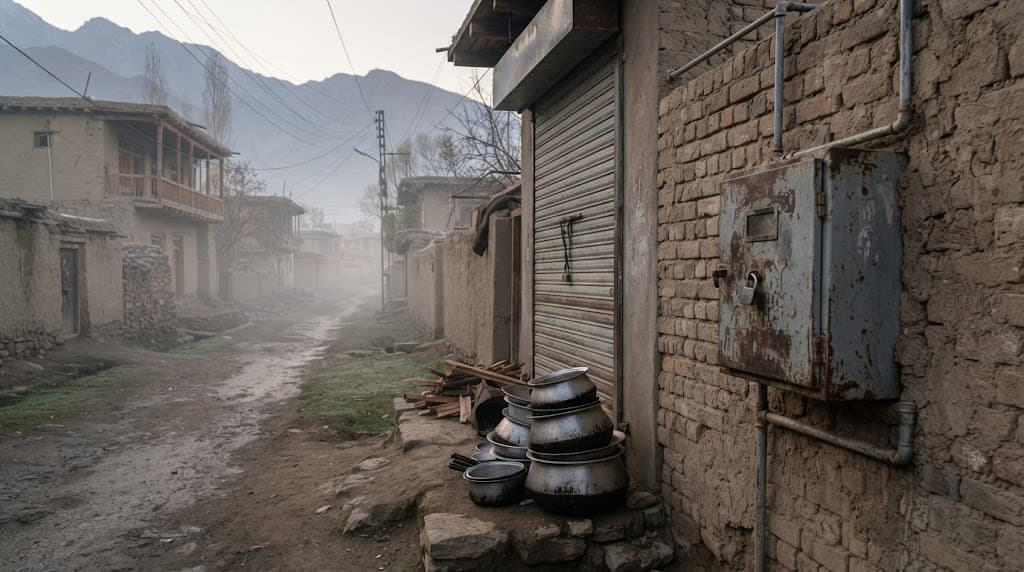
Mulk ke das bade gas fields mein ab bhi lagbhag 10.6 TCF gas bachi hui batayi gayi hai. Das bade oil fields mein lagbhag 105 million barrels oil ab bhi nikalne layak likha gaya hai. Hukumat naye blocks auction kar rahi hai aur wells digwa rahi hai taake gharili supply barhe. Agar yeh gas aur oil zyada nikal aaye to bil aur cylinder ke dabaao kuch had tak kam ho sakte hain, lekin asal asar production aur distribution par depend karega.