Pakistan trade data for September show that the country's trade deficit widened to $3.53bn, up 7.26% from $3.29bn in August. The Pakistan Bureau of Statistics (PBS) released these provisional figures in an advance release on external trade. Imports rose by more dollars than exports did, even though exports grew faster in percentage terms. The September trade deficit was also 5.43% wider than the $3.35bn recorded in September 2025, so the gap has widened on both a monthly and a yearly basis.
Exports: rice and textiles lead the gains
Exports reached $2.96bn in September, up from $2.53bn in August and 18.49% above the $2.50bn of a year earlier. In rupee terms, exports came to Rs821.20bn, while imports stood at Rs1,802.99bn, leaving a monthly shortfall of Rs981.79bn.
Textiles remain the base of the export basket. Knitwear was the largest single earner at Rs132.59bn, while readymade garments reached Rs109.86bn and grew 18.51% from a year earlier, the strongest annual rise among the major textile lines. Towels and bed wear also gained on the month, but cotton yarn fell by almost 30% from August.
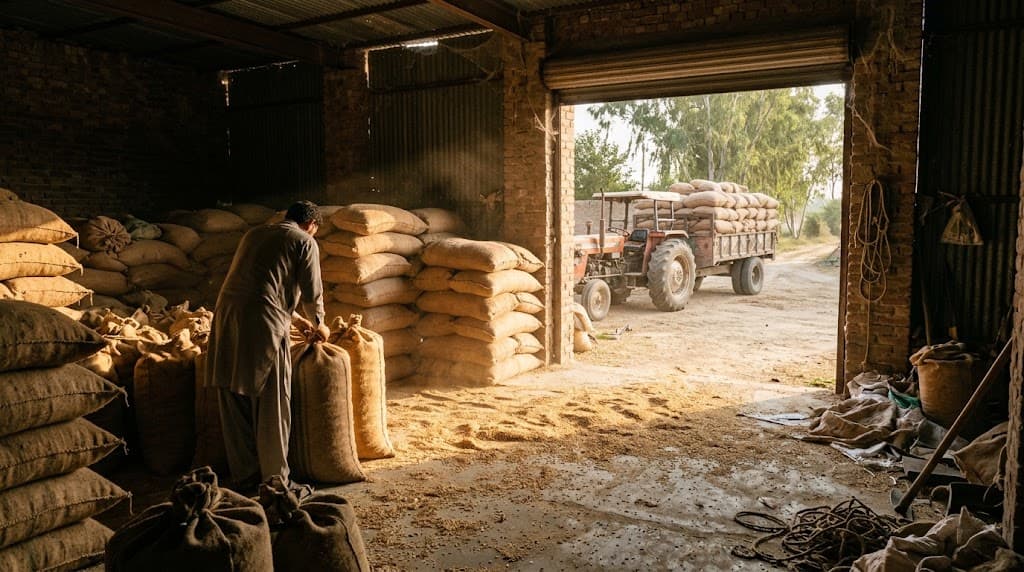
Rice was the clearest bright spot. Basmati shipments reached Rs31.12bn and other rice varieties Rs41.18bn, together more than Rs72bn in the month, and both categories more than doubled from a year earlier. Petroleum product exports, excluding top naphtha, also more than doubled to Rs21.35bn, though from a small base.
Imports: energy and industrial goods add pressure
Imports rose to $6.49bn from $5.82bn in August, and were 11.01% above the $5.85bn of September 2025. Energy remained the largest import category, but its two parts moved in different directions. Petroleum product imports climbed to Rs163.17bn, while crude oil imports fell to Rs143.90bn, and together they account for about 17% of imports.
Non-energy lines added more pressure. Iron and steel imports reached Rs80.85bn and scrap Rs69.06bn, while plastic materials came to Rs87.31bn. Motor car imports in kits for local assembly (CKD/SKD) stood at Rs68.15bn, up 59.53% from a year earlier, the fastest annual growth among the ten biggest import lines. Palm oil imports were Rs96.31bn, though still lower than a year before, and mobile phone imports fell 29.23% from a year earlier.
The quarter so far and the trend
For July to September, exports rose 11.13% to $8.45bn, while imports climbed 13.20% to $19.21bn. The quarterly trade deficit reached $10.77bn, which is 14.87% wider than the $9.37bn of the same period a year earlier. For readers tracking Pakistan trade data, the key point is that exports grew faster in percentage terms, yet the dollar increase in imports was bigger because that side starts from a larger total.
The sources include no official reaction, forecast or policy response to these figures. The data are provisional, so they may be revised in later releases.
Aasan alfaaz mein
September mein Pakistan ka tijarti khasaara $3.53bn tak pahunch gaya, jo August se 7.26 fisad zyada hai. Baramdat bhi barhi, lekin daramdat ki dollar mein barhat zyada rahi, is liye khasaara aur wasee hua. Chawal, textile aur petroleum ki baramdat mein izafa hua, jabke loha, gaari aur plastic ki daramdat tez rahi. Is report se qeematon aur rozgar par seedha asar ka pata nahi chalta, is liye aglay data ka intezar karein.