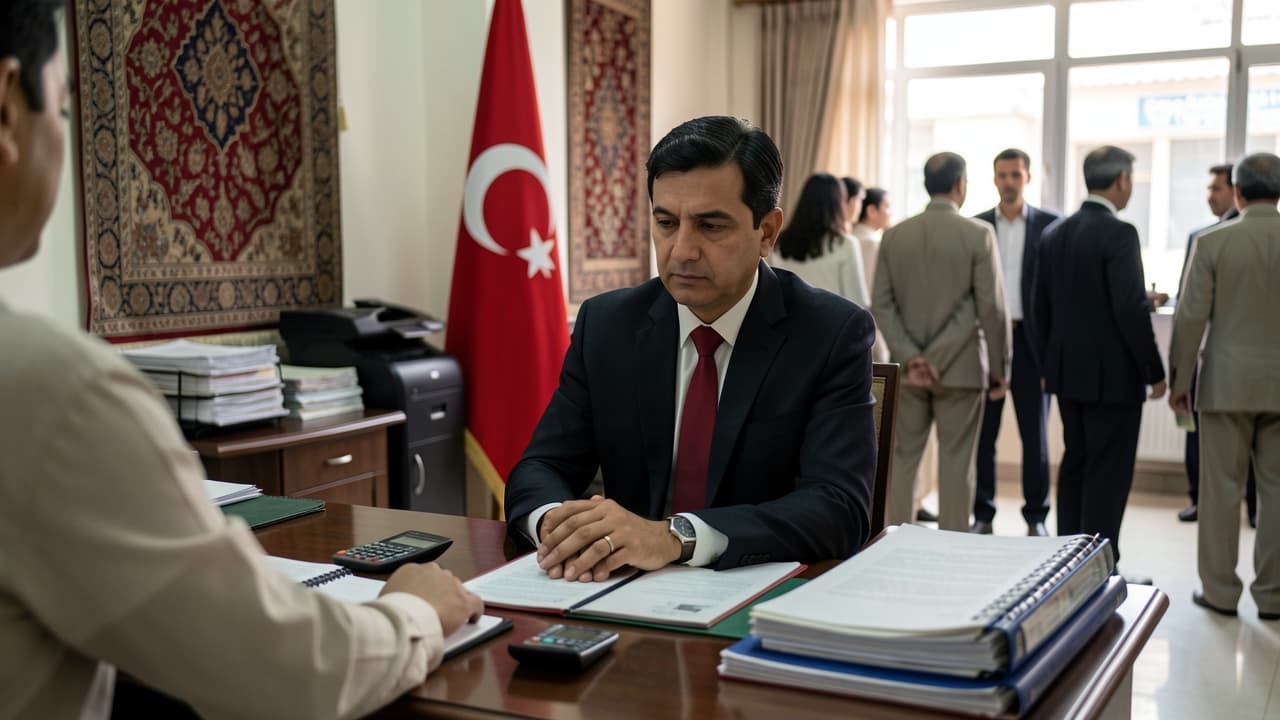
Pakistan crop loss after harvest is estimated at 20 to 40 percent, and the country could be losing as much as Rs3.52 trillion in value as a result, according to Dr Kabir Ahmed Sidhu, chairman of the Securities and Exchange Commission of Pakistan (SECP), the regulator for companies and capital markets. Sidhu made the estimate at the Mission $100 Billion conference. The range is an estimate, and the source does not explain how it was measured.
What the estimate is based on
Sidhu said agriculture contributes 23.44 percent to Pakistan's gross domestic product (GDP), the total value of goods and services produced in a year. He put the total value of the country's crops at about Rs8.8 trillion. On that base, each percentage point of post-harvest loss represents around Rs88 billion in lost value, and a 40 percent loss comes to Rs3.5 trillion.
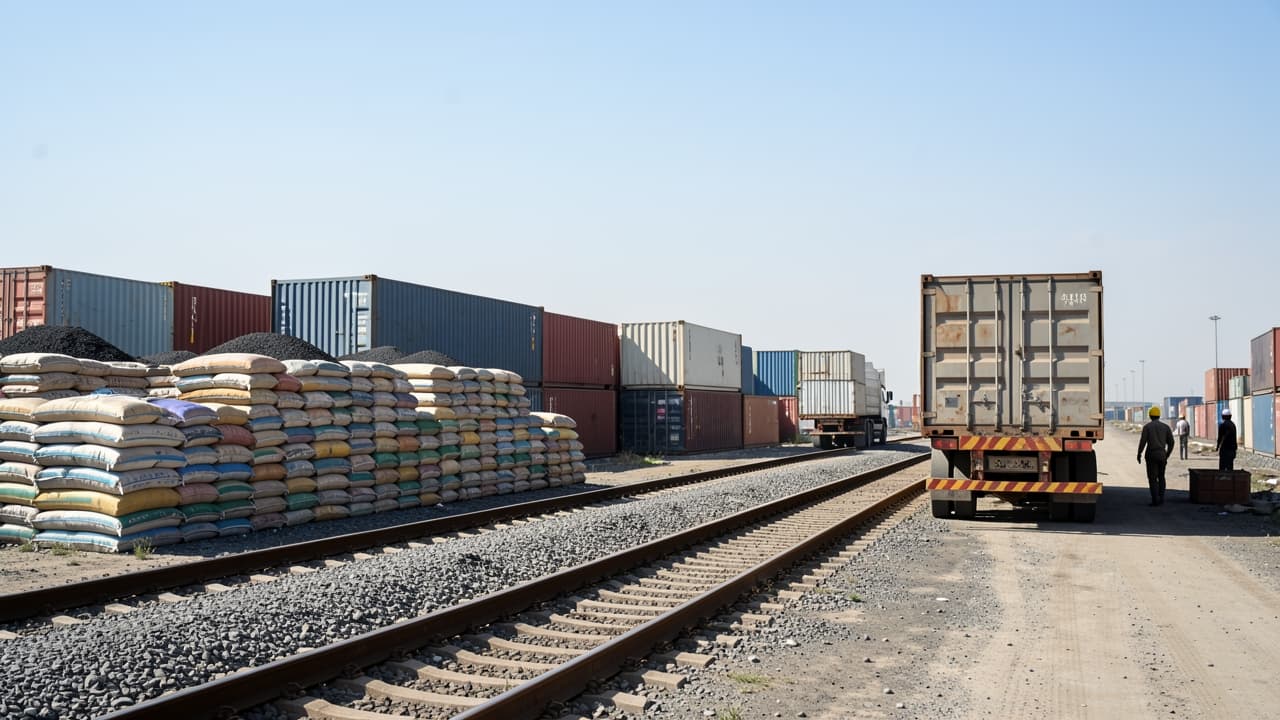
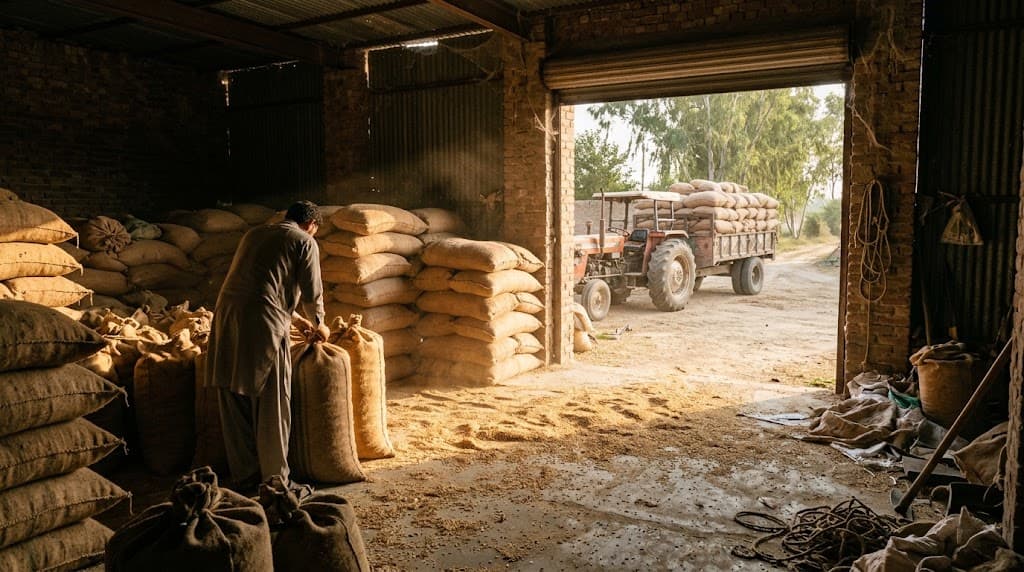
Storage is the central problem Sidhu identified. He said Pakistan has only 326,000 metric tons of approved warehouse capacity, while the country produces an estimated 55.7 million metric tons of storable dry agricultural commodities. That comparison points to a large gap between what is grown and what can be stored safely.
Why this hits farmers' income
For growers, the gap shows up as lost income. Without enough storage, a farmer may have to sell straight after harvest, often at low prices, rather than holding stock for a better market. Sidhu called for modern warehousing, cold storage and transport systems to reduce losses and attract investment. He also said improved storage could help Pakistani farm products reach export markets more effectively, and cutting Pakistan crop loss is central to that goal.
Proposed reforms
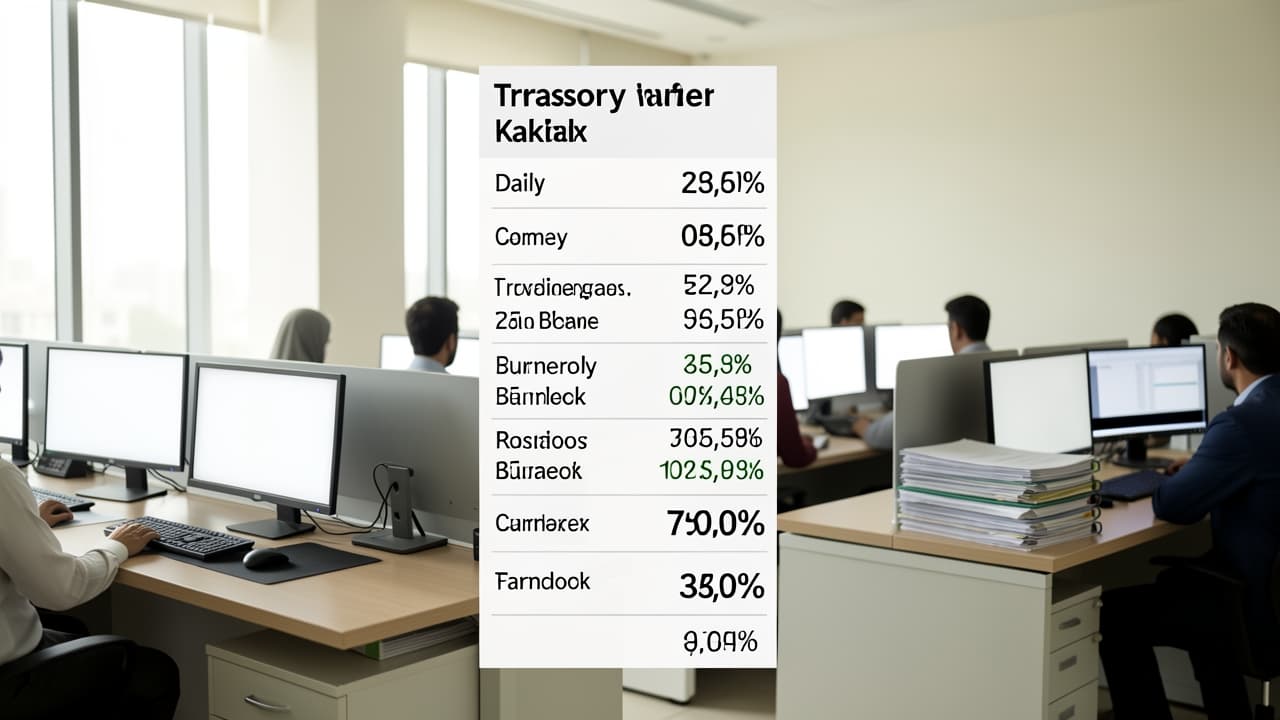
The SECP said it is working to promote a modern warehousing system based on electronic warehouse receipts, which are records of crops held in storage. Under the proposed framework, a national agricultural spot market, meaning a market for immediate sale and delivery, would link agricultural markets to online trading platforms. Provincial authorities would keep oversight of agricultural markets, while the SECP would provide technical support.
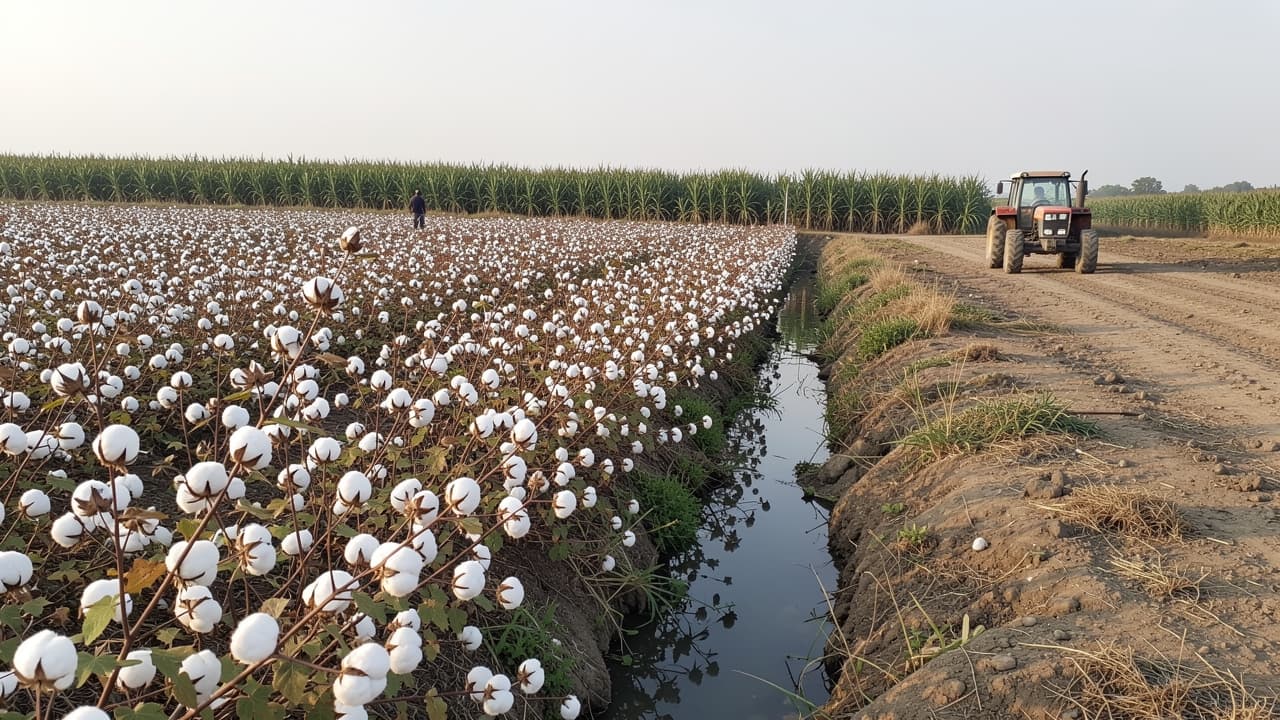
The receipts would let farmers obtain bank loans against stored crops, so they would not be forced to sell immediately at low prices. The spot market would gradually include wheat, rice, corn, cotton and sugar. Sidhu also pointed to standard quality, weighing and grading rules, registration of commission agents (intermediaries who sell on a farmer's behalf) and traders, and reliable payment systems so farmers are paid on time.
What happens next
The sources describe the framework as proposed and give no start date. They do not say whether provincial governments have agreed to the plan. Until the reforms are in place, the estimated losses after harvest are likely to remain a concern for growers and buyers alike.
Aasan alfaaz mein
Pakistan mein katai ke baad fasalon ka 20 se 40 fisad tak nuqsan hone ka andaza diya gaya hai, jis ki qeemat Rs3.52 trillion tak ho sakti hai. SECP ke chairman Kabir Ahmed Sidhu ke mutabiq iska matlab hai ke kisan ki mehnat ka bada hissa zaya ho sakta hai. Godam, cold storage aur electronic warehouse receipts ki tajweez di gayi hai, taake kisan fasal par bank qarz le sakein. Abhi yeh sirf tajweez hai, is ka koi tareekh nahi bataya gaya.