Shared ruling restated in the capital
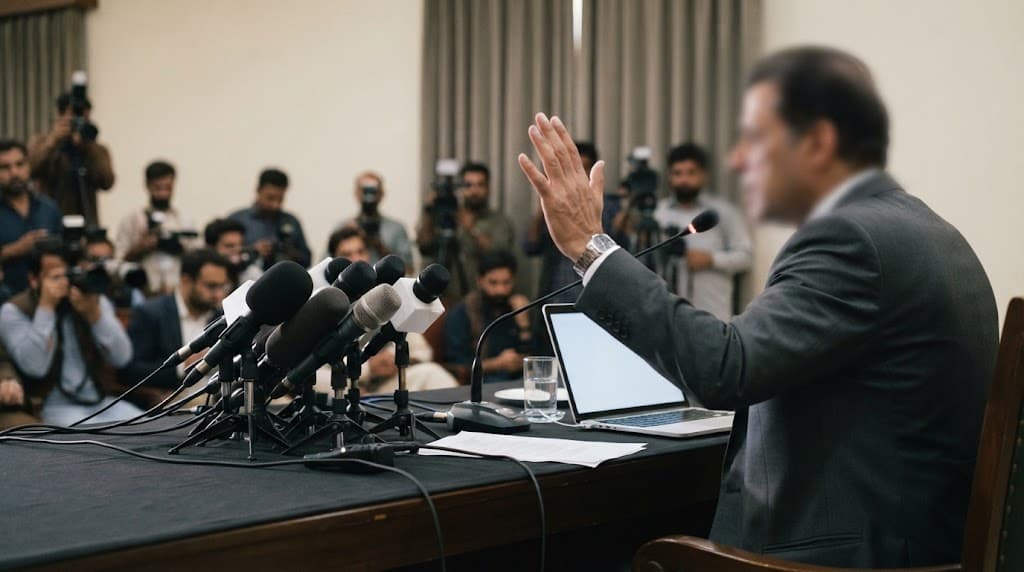
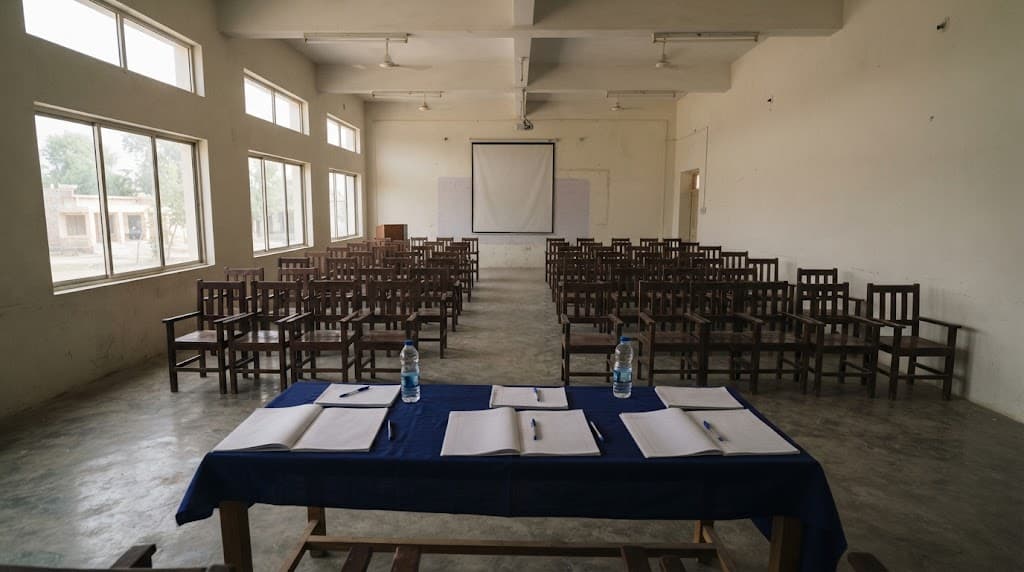
Religious scholars and leaders from several faiths gathered in Islamabad on 28 October and again backed a long-standing joint religious ruling that bars suicide bombings, militant violence and the murder of civilians. The session was arranged by the National Paigham-e-Aman Committee with the Balochistan provincial committee and took place at Jamia Salafia Dawat-ul-Haq.
Hafiz Muhammad Tahir Mehmood Ashrafi, who heads the Pakistan Ulema Council and coordinates the national Paigham-e-Aman effort, chaired the sitting. Among those present were Maulana Ali Muhammad Abu Turab, Dr Asif Mir, Mufti Yousaf Kashmiri, Maulana Syed Samiullah Agha, Maulana Qasim Haqqani, Allama Nasrullah Hussaini, Mufti Muhammad Jan Qasmi, Maulana Hizbullah Usmani, Pastor Simon Bashir, Sardar Jasbir Singh and other clerics and community figures.
What the declaration said
In a single agreed text, participants again stood by the earlier consensus fatwa and said they fully support the Paigham-e-Pakistan national message. They held that self-destructive bombings have no place in Islamic teaching, that taking innocent lives is not allowed, and that militant violence runs against the core ethics of Islam and other faiths alike.
The statement said no person, faction or outfit may spill blood, wage armed campaigns against the state, or act as a private enforcer while claiming religion, sect or ideology as cover. It condemned recruiting women, children, teenagers and students for bombings or other terror acts, calling such practices both religiously banned and crimes against humanity. Those who lure the young into becoming weapons of violence were labelled foes of human life and of the country’s future.
Backing for security forces and Balochistan peace
Delegates voiced clear support for the Pakistan Army and other security bodies in confronting Fitna al-Khawarij and Fitna al-Hindustan—labels used for militant threats—and said the public should stand with those institutions to keep the country safe. Guarding lives, property and national stability was framed as a duty shared by all citizens.
They stressed that calm in Balochistan is central to lasting peace nationwide and that securing the province must stay a leading goal. Clerics and faith representatives said they would keep working for harmony across sects and religions, religious tolerance and national cohesion there, and would not let anyone damage quiet under a religious or sectarian banner. They also said they would raise mosque and seminary concerns with the state and deepen cooperation with official bodies.
Mosques, madrasas, schools and community venues, they added, should carry messages of restraint, unity and national belonging. Young people were urged to ignore false slogans and propaganda from violent networks. Parents, teachers and education managers were asked to watch children’s company and online habits, keep warm and trusting ties, and help shield them from recruiters.
Tribute to Field Marshal Asim Munir
A separate unanimous resolution saluted Field Marshal Syed Asim Munir for work described as aiding Muslim unity, regional calm and wider peace. It pointed to his role in encouraging dialogue between the United States and Iran, warmer Saudi–Iran ties, and senior talks among Saudi Arabia, Pakistan, Türkiye and Iran held in Tehran on 26 October. Those steps were called useful for easing regional strain and deepening cooperation among Muslim states. Political and religious parties were asked to back such constructive diplomacy in the national interest.
Aasan alfaaz mein
Islamabad mein alim aur mazhabi rahnuma mil kar keh rahe hain ke suicide blast aur dehshatgardi mazhab mein jaiz nahi. Unhon ne fauj aur security idaron ka sath diya aur Balochistan mein aman ko poore mulk ke liye zaroori qarar diya. Naujawanon se kaha gaya ke atankwadi groups ke jhute waadon se door rahen. Walidain aur ustadon ko bhi hoshiyar rehne ki salah di gayi.