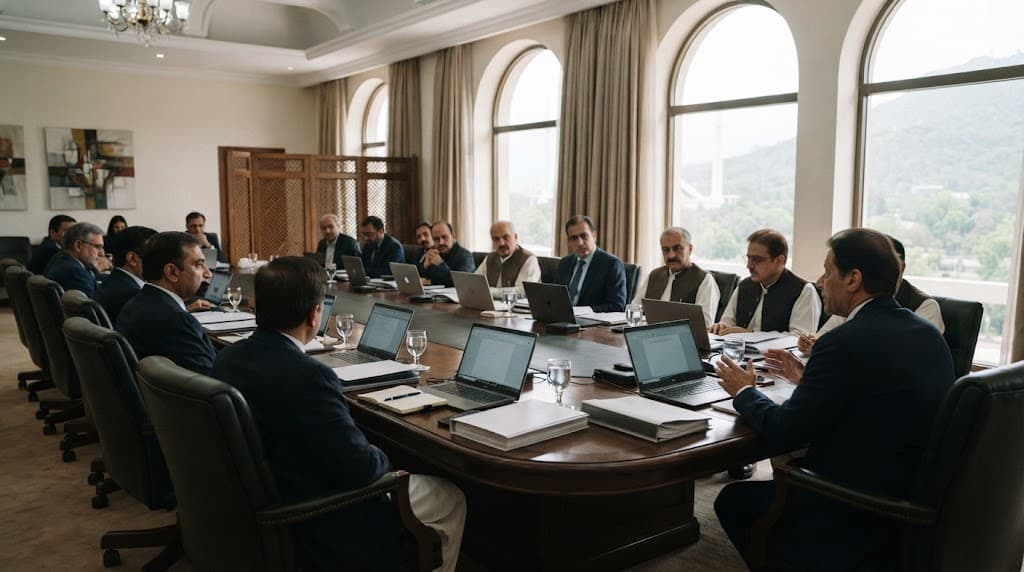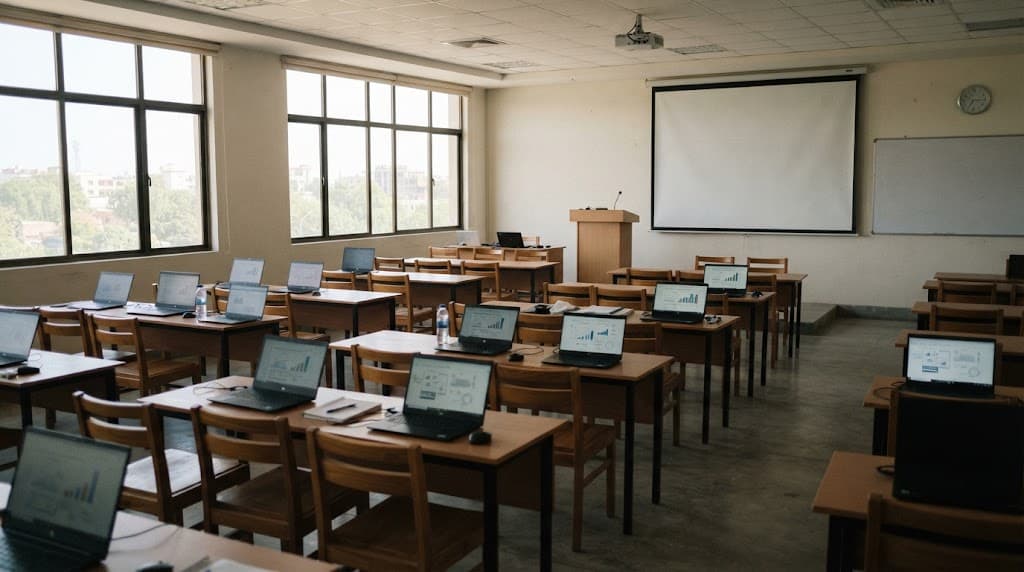
Punjab’s Information Technology Board has put 33 Sindh Police officers who are preparing to become deputy superintendents through a two-day computing course. The National Police Academy in Islamabad arranged the wider social-policy schedule for that fourth STC cohort; PITB delivered the technology module.
What officers were shown
The workshops focused on how machine-learning tools and other automated systems can support order-and-security work, and on a shared case platform known as the Integrated Criminal Justice System, or ICJS, which connects justice agencies on one digital track. Instructors described how online systems can help forces coordinate and move investigations and court-related steps with fewer gaps.
Who ran the briefings
Syed Qasim Afzal, PITB’s director general for IT, joined project-management director Jamal Ahmad and joint director Salman Ali Khan in explaining how the board’s platforms are applied in everyday enforcement and justice workflows. Senior programme manager Mehreen Pervaiz coordinated the module, with programme officers Ansab Ali Khan and Maria Saleem helping plan and deliver the sessions.
Why the board is sharing tools across provinces
Board chairman Faisal Yousaf said modern systems help forces work together and deliver public services more clearly. He cast the course as a way for PITB to pass on digital-governance skills and deepen cooperation between provinces so policing can become more open and responsive. The exercise fits the board’s wider push to build skills in government offices and spread technical know-how beyond Punjab’s own agencies.
Aasan alfaaz mein
Punjab ke IT board ne Sindh Police ke 33 trainee DSP officers ko do din ki computer training di. Unhein AI aur digital justice system ke bare mein bataya gaya. Is se police aur adalat ke kaam mein behtar rabta aur tez process ki umeed hai. Aam logon ke liye matlab yeh hai ke cases aur services digital tareeqe se behtar handle ho saken.