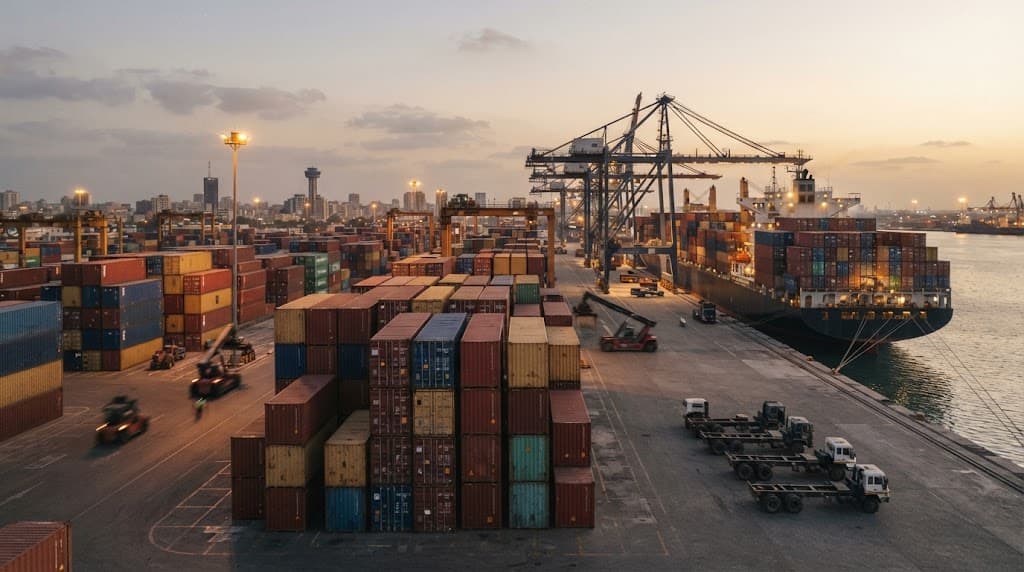
Finance Minister Muhammad Aurangzeb said on Saturday that structural reforms are under way to stabilise the economy, with export-led growth at the centre of the government's plan. Speaking at a ceremony at a private university in Lahore, he said the agenda also covers improving the tax system, reducing energy costs and encouraging the private sector. He argued that Pakistan must break away from its long boom-and-bust cycle and adopt a path of growth that creates jobs and reaches ordinary households.
Exports, reserves and bonds
Aurangzeb said IT exports are expected to reach $5.5 billion in the current fiscal year, while remittances from overseas Pakistanis are projected at $44 billion. He said remittances had held up despite earlier fears that regional conflict would reduce them. Foreign exchange reserves, he said, are at a historic high and cover more than three months of imports, compared with a time when they had fallen to about two weeks of imports.
He warned that heavy reliance on imports had repeatedly pushed Pakistan into balance-of-payments crises, situations where the country struggles to pay for what it buys abroad. After such episodes, he said, it took four to five years to steady the economy. In his view, the answer is higher exports, better productivity and stronger economic fundamentals. He also said Pakistan's credit rating has improved three times since April last year, and that orders for its eurobonds, which are bonds sold to international investors, were twice the amount offered.
The minister said global investors are now judging Pakistan's economy beyond its International Monetary Fund (IMF) programme, the loan arrangement under which the country is currently operating. That programme is scheduled to conclude in October next year, so he said reforms are needed to keep the economy stable and investor confidence strong. On tax, he said the super tax has been abolished and tax slabs reduced, and that the budget provides financing for exporters at an interest rate of 4.5%.
Energy and relief measures
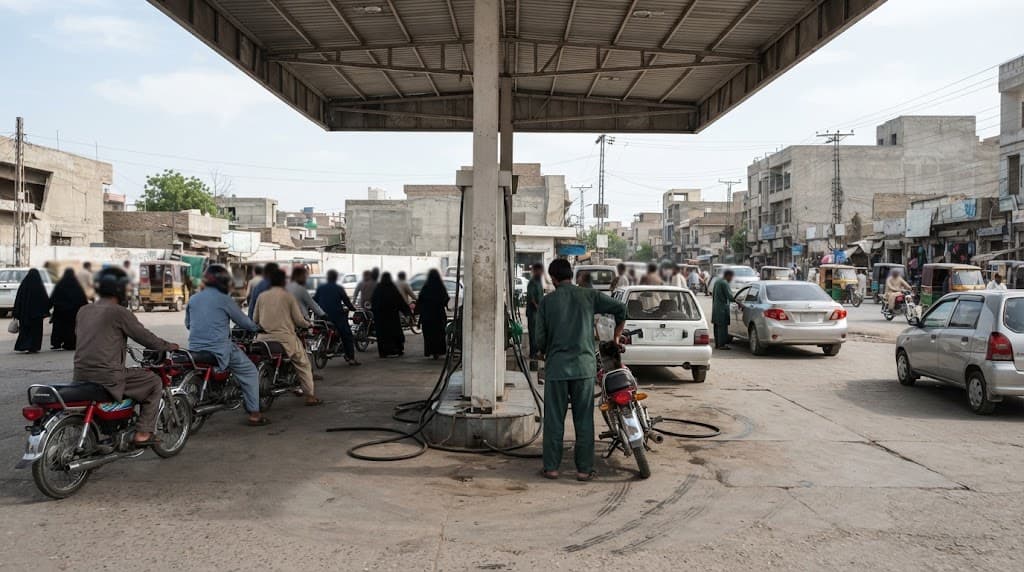
On energy, Aurangzeb said Pakistan has avoided shortages despite regional conflicts, and motorists have not faced long queues at petrol pumps. He said supply of crude oil and other energy sources is satisfactory, with arrangements in place to meet needs until November, and that planning for the winter season is under way. He stressed that timely steps are needed to meet gas and liquefied natural gas (LNG, gas chilled into liquid form for transport) requirements so that homes and factories do not face difficulties.
The government, he said, has moved from general subsidies to targeted subsidies so that help reaches those who need it most. Targeted support has been provided for motorcycles, three-wheelers and vehicles with engine capacities below 800cc. He said around 40 to 50 million people have benefited overall, and cited around 12 million unique individuals under the scheme. He added that tariffs and energy costs must fall to keep Pakistani goods competitive in regional markets, and that surplus electricity for industries at about Rs23 per unit has been discussed.
Population and jobs
Aurangzeb named climate change and rapid population growth as major challenges. He said the annual population growth rate is about 2.55%, and that if the current trend continues the population could reach 390 million. He warned that this pressure could fall on education, healthcare, employment and other basic services, which is why long-term planning is needed. He pointed to Bangladesh, Indonesia and Iran, which he said reduced population growth below 1% over the past decade.
He said Pakistan must promote women's education, raise their participation in the workforce and increase public awareness. Women's labour force participation is about 22.7%, he said, and raising it could strengthen productivity and growth. He also said growth of 7-8% alone is not enough unless its benefits reach the public and improve living standards. He concluded that the global economy is uncertain, and that Pakistan must keep reforms moving, expand exports and maintain fiscal discipline.
Aasan alfaaz mein
Finance minister Muhammad Aurangzeb ne kaha hai ke Pakistan exports barhane, tax system behtar karne aur energy ki laagat kam karne par kaam kar raha hai. Unke mutabiq IT exports ka hadaf $5.5 billion aur remittances $44 billion is saal ke liye hain, aur reserves teen mahine se zyada imports cover kar rahe hain. Petrol pumps par lambi qatarein nahi thi aur November tak supply ka intezam bataya gaya hai. Aam aadmi ke liye matlab yeh hai ke fuel ki supply abhi mustahkam hai, lekin subsidy sirf zaroorat mand logon tak pohanchayi ja rahi hai.