Pakistan-Afghanistan border news on Saturday centred on Islamabad's rejection of a claim by the Afghan Taliban regime that Kabul had no ability or motive to destabilise Pakistan. Pakistan called the remarks "diversionary allegations" and told the Taliban government to address its long-standing security concerns about militant groups operating from Afghan territory. The response came in a statement issued by the Ministry of Information and Broadcasting.
Islamabad's core complaint
According to the ministry, blaming Pakistan's security institutions does not relieve the Afghan Taliban of its duty to stop Afghan soil being used for attacks on Pakistan. The ministry said Pakistan's worries rest on evidence rather than speculation, and it pointed to assessments by the United Nations and the United States on militant groups in Afghanistan.
The ministry referred to the 16th report of the UN Security Council's Analytical Support and Sanctions Monitoring Team, numbered S/2025/796. It also cited a report to the US Congress by the Lead Inspector General for Operation Enduring Sentinel, covering January to March 2026. According to the ministry, that US report said the Afghan Taliban kept allowing the Tehreek-e-Taliban Pakistan (TTP), an outlawed militant group, to operate from Afghan territory. The report also said Taliban support had given the group more freedom and contributed to more attacks on Pakistan, and it put the TTP's strength at 4,000 to 6,000 fighters.
Infiltration and calls for action
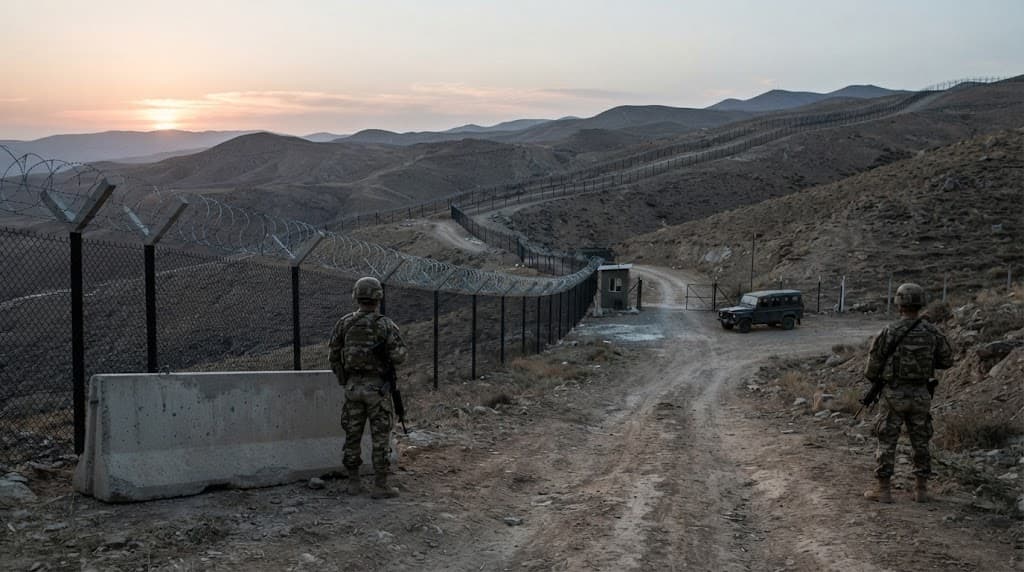
The statement said Kabul's reply did not engage with these documented concerns. It described repeated attempts by armed militants to slip across the Pakistan-Afghanistan border as something that needed close scrutiny. It also pointed to Afghan nationals and militant members killed during Pakistani counterterrorism operations, and to foreign-made weapons recovered from militant elements.
Pakistan has also raised alleged help given to militant groups by Afghan Taliban officials, including some in Kandahar. The ministry said general denials could not settle such allegations, and that Kabul needed to offer convincing answers and steps that can be checked.
The ministry urged the Afghan Taliban to end any tolerance, facilitation or backing for banned groups, naming the TTP and the Balochistan Liberation Army (BLA). It said Afghan territory must not be used to plan or launch attacks on Pakistan. Pakistan's security measures, the ministry stressed, target terrorist threats and not the Afghan people. Islamabad said it was still open to engagement, but only on the basis of mutual respect, commitments that can be checked, and concrete steps against militant hideouts and cross-border infiltration. Despite several rounds of talks, the two sides have not resolved their differences, and militant groups using Afghan soil remain the main point of contention.
Timeline: what has happened so far
- 2021: The Taliban came back to rule Afghanistan, and Pakistan says cross-border terrorist incidents have risen sharply since then, particularly in KP and Balochistan.
- January to March 2026: The period covered by the US Lead Inspector General's report on Operation Enduring Sentinel that the ministry cited.
- September 2026: Militant attacks in Pakistan hit a monthly peak not seen in 12 years.
- October 24, 2026: The Ministry of Information and Broadcasting rejected Kabul's assertion and demanded verifiable action against militant groups.
Aasan alfaaz mein
Pakistan ne Afghan Taliban regime ka yeh dawa radd kar diya hai ke Kabul ke paas Pakistan ko asthir karne ki salahiyat ya khwahish nahi. Islamabad ka kehna hai ke Afghan zameen par maujood militant groups ke hamlay barh rahe hain, aur Kabul ko TTP aur BLA ke khilaf verifiable action lena chahiye. Aam shehri ke liye is ka asar yeh hai ke sarhad par tension aur hamlon ka khatra abhi khatam nahi hua. Talks ke bawajood dono mulkon ke ikhtilafat hal nahi hue.