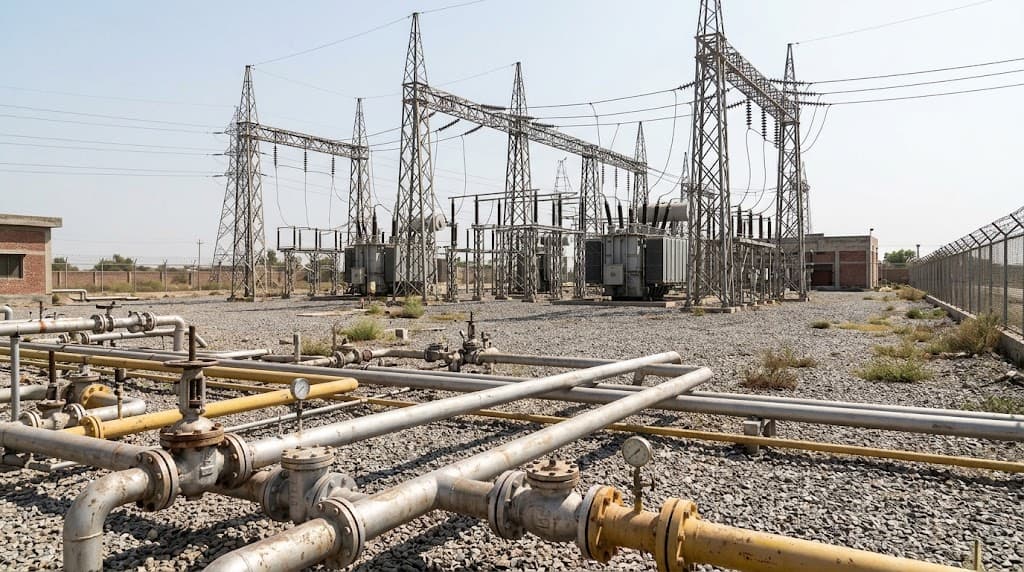
Foreign direct investment (FDI) in Pakistan picked up modestly in the first quarter of fiscal year 2026-27, but the gain rests on a narrow base. Net FDI rose by nearly 20 percent year-on-year to $719.7 million in 1QFY27, the July to September period. FDI growth in Pakistan is real, yet the total remains small and a handful of investors and sectors account for most of it.
Gross inflows rose 20 percent to $968 million, while outflows, the money leaving the country, also rose 20 percent to $248 million. Net FDI is the gap between the two, which is why the net figure is much smaller than gross inflows. Monthly numbers are more volatile: net FDI in September stood at $219.5 million, up 18.5 percent from a year earlier but about 31 percent below August's $315.9 million. A few large transactions can move the headline figure sharply from one month to the next.
Where the money came from
Canada was the largest source in the quarter at $229 million, and China followed with $197.5 million. Investment from China rose by nearly 63 percent year-on-year, while inflows from Canada were broadly unchanged. Together the two countries supplied almost 60 percent of net FDI, which points to heavy reliance on a small group of investors.
The United Kingdom's inflows rose to $83.4 million from $61.3 million, and investment from the United Arab Emirates increased by 36 percent to $54.8 million. Inflows from Switzerland and Hong Kong fell. September showed the same pattern, with Canada leading at $85.3 million, ahead of the UK at $48.7 million and China at $43.8 million. The mix changes from month to month, which suggests investment is driven by individual deals rather than a broad base of investors.
Sectors and what they may signal
Financial businesses drew about $191 million in the quarter, up 39 percent, while the power sector received $139.4 million, up 32 percent. Mining and quarrying also saw notable inflows, particularly in September. The country and sector figures can be linked only loosely. Canada's inflows may be connected with mining, given Canadian interest in Pakistan's minerals, and the UK's with financial services. Both mining and finance were strong in September, which lends some weight to these links, but without a country-by-sector breakdown they cannot be confirmed.
The larger concern is breadth. Financial services, power and mining are welcome, but Pakistan needs foreign capital in export-oriented manufacturing, technology and other productive industries that create jobs, raise productivity and build export capacity. Announcements of memoranda of understanding (preliminary agreements) and investment commitments in mining, energy, technology and industry are encouraging, yet they mean little until projects are built and money actually arrives.
Why the gains remain thin
A 20 percent rise from a low base is not a turnaround. High energy costs, taxation, regulatory uncertainty and weak domestic demand continue to discourage investors. Policy consistency, easier business operations and confidence that investors can repatriate, or send home, their profits will be critical to sustained inflows. Pakistan's task is to draw investment across a wider range of sectors, not simply to attract more of the same. The first quarter shows improvement, but a meaningful revival in foreign investment is still some distance away.
Aasan alfaaz mein
Pakistan mein July se September 2026 ki pehli sehmahi mein bahar se aane wali net sarmaya kari lagbhag 20 fisad barh kar $719.7 million rahi. Lekin ye paisa kuch hi mulkon aur chand shobon, khaas tor par finance, bijli aur mining mein aaya hai. Jab tak sarmaya kari manufacturing, technology aur export wali sanaat tak nahi pohanchti, naukriyon aur exports par iska asar wazeh nahi hoga. Is liye abhi ise asal behtari nahi, balke shuruaat samajhna behtar hai.