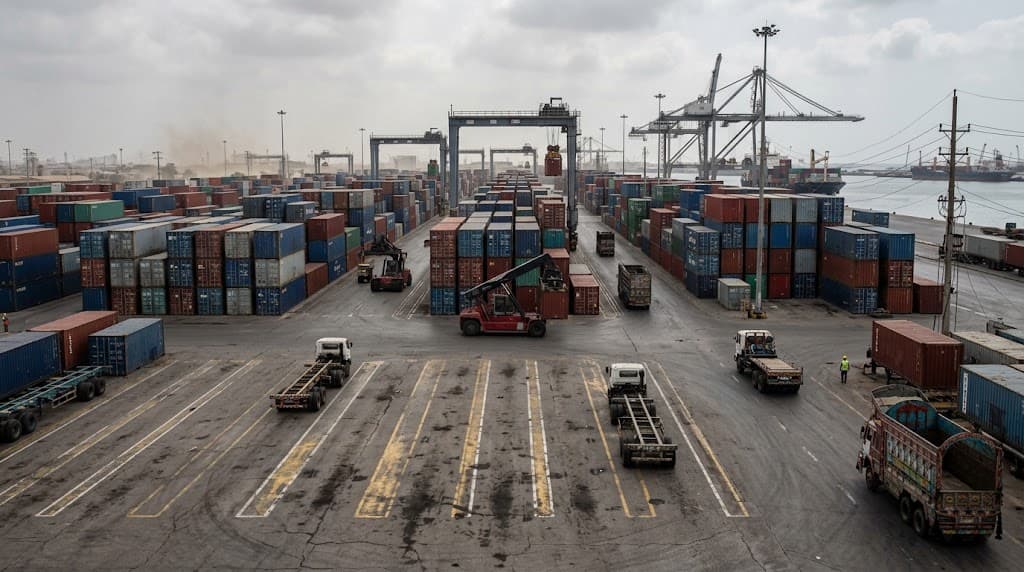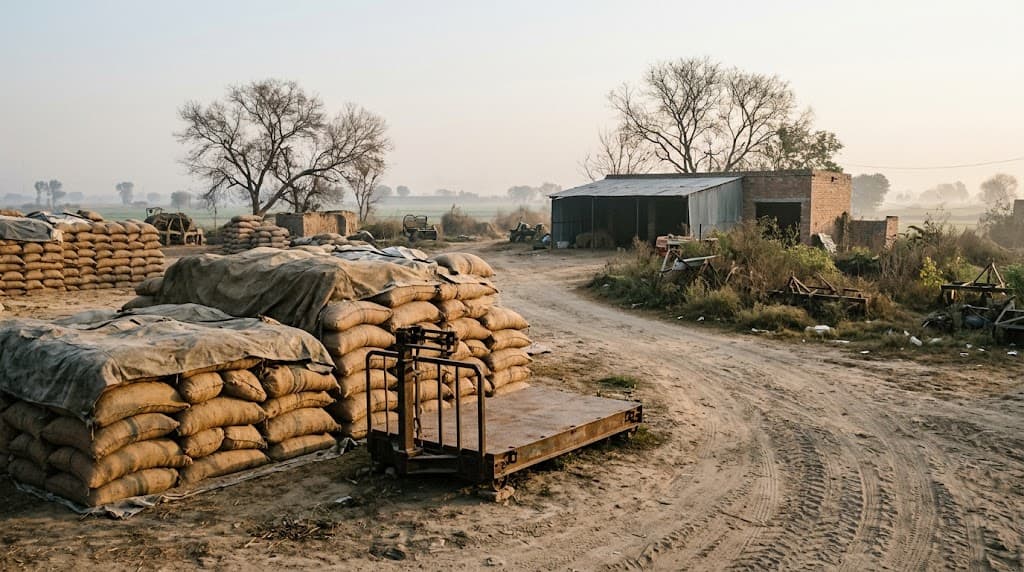
Wheat market reform in Pakistan has left many growers—especially in Punjab—facing the most uncertain planting season since April 2025, when the government dropped the official support price and paused traditional large-scale public procurement. Officials had said a stronger, market-based trading system would take the old model’s place. Nearly two years later, farmers still lack the income cushion they once had, while costs, weather stress, water shortages, pests and a market they describe as manipulated raise the chance of selling below the cost of production.
Growers are now weighing whether to keep investing in wheat, switch crops, or grow only what their households need. The deeper problem is how risk is shared: traders, millers, banks and warehouse operators can often hedge commercial exposure, while producers carry more of the burden once the state steps back from price support and buying.
Punjab’s private procurement fell far short
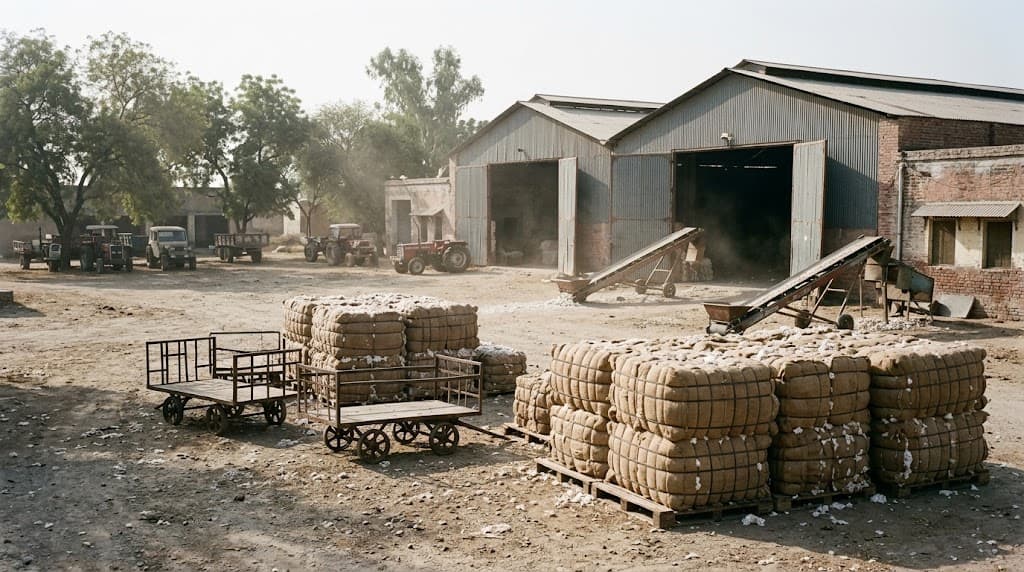
Critics say Punjab’s choices matter nationwide because the province grows more than 76% of the country’s wheat. The limits of the new approach showed in April 2026, when the province tried to revive buying through a private-sector-led scheme backed by the government and banks. Banks doubted the commercial case. Aggregators purchased only 160,000 tonnes against a 2.5 million-tonne assignment. Moves against alleged hoarders did not close the gap, and the price crashed. The episode pointed to weak financing, incentives and price expectations—not only poor execution.
Planning targets and imports under strain
At the Federal Committee on Agriculture (FCA)—the federal–provincial forum that sets crop planning—meeting in the first week of October, Punjab declined the federally assigned 25 million-tonne wheat target. The committee could not lock in the national production target of 33 million tonnes. That standoff makes national supply planning harder when the largest producing province will not commit.
Uncertainty over domestic output and procurement has also pushed import policy forward. The federal government has moved to bring in up to 1 million tonnes of wheat for domestic needs. Imports may ease shortages or steady consumer prices, but timing them against local harvest, stocks and procurement can send mixed signals to farmers already unsure of returns.
Prices up for growers and flour buyers alike
Rather than cutting or subsidising input costs where federal rules limited room, Punjab has leaned on higher wheat prices as the main answer for growers. Over five years the wheat price has risen about 150%, from Rs1,800 per 40kg in 2020–21 to Rs4,500 this year. A proposed Rs5,000 per 40kg would take the rise from the 2020–21 level to nearly 178%. Those jumps feed into flour, reported at more than Rs150 per kg in urban markets, squeezing low-income households even as rural producers face volatile farmgate returns. Wheat market reform in Pakistan was meant to share risk across the chain; so far, both farmers and consumers feel the pressure.
Timeline: what has happened so far
- 2020–21: Wheat priced at Rs1,800 per 40kg.
- April 2025: Official support price ended; traditional large-scale public procurement suspended.
- This year: Wheat at Rs4,500 per 40kg (about 150% above 2020–21); flour reported above Rs150 per kg in cities.
- April 2026: Punjab’s private-led procurement yields 160,000 tonnes versus a 2.5 million-tonne target; prices crash.
- First week of October: Punjab declines a 25 million-tonne FCA target; national 33 million-tonne goal not finalised; federal import plan of up to 1 million tonnes in focus.
Aasan alfaaz mein
Sarkar ne April 2025 se gandum ka support price aur bari kharid band kar di thi. Ab Punjab ke kisaan ke liye rate yaqeen nahi, aur private kharid ka hadaf bhi poora nahi hua. Shehr mein aata Rs150 se zyada kilo bataya ja raha hai, to ghar ka kharcha bara hai. Agar aap kisan hain to fasal ka faisla mushkil hai; agar kharidar hain to roti mehengi mehsoos ho sakti hai.