Federal Minister for National Food Security and Research Rana Tanveer Hussain has asked the Department of Plant Protection (DPP), the federal body that polices plant pests at the border, to review existing limits on bringing in wood logs with bark so that legitimate timber imports can move more smoothly.
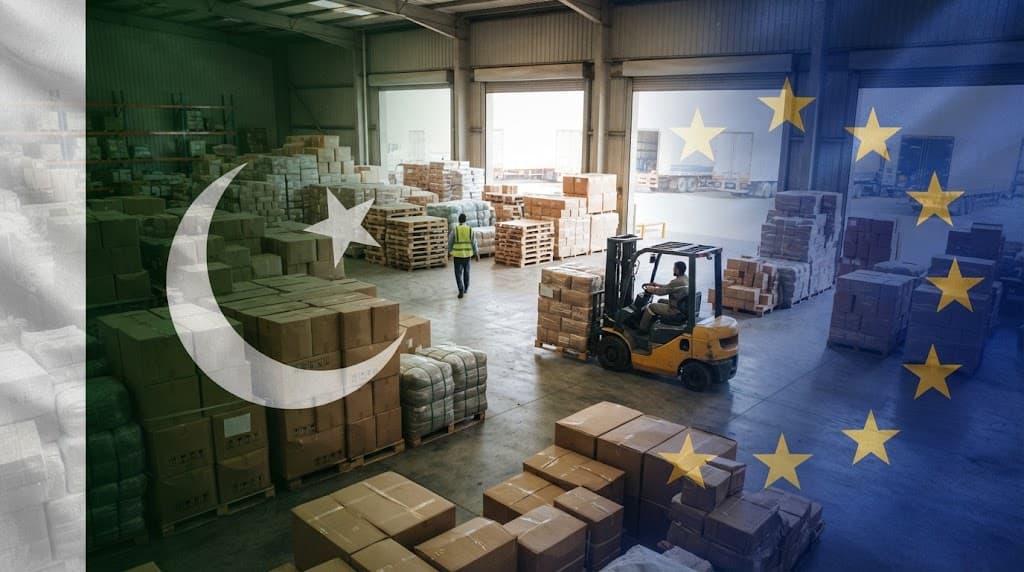
The instruction followed a meeting with the All-Pakistan Timber Traders Association (APTTA) in Karachi. Traders had pressed the ministry and the DPP to ease regulatory bottlenecks that, they said, have weighed on Pakistan’s wood trade since the Import Policy Order (IPO) 2022 took effect.
What traders asked for in Karachi
APTTA put its case to the minister at a conference held after the inauguration of the Central Plant Quarantine Laboratory and the Federal Pesticides Testing and Reference Laboratory at the DPP. Director General DPP Yaseen Murtaza arranged the gathering. Former APTTA chairman Sharjil Goplani attended with senior members Moiz Kakkal and Mushtaq Vali Mohammed.
The association urged quick steps on the 2022 IPO restrictions and what it called exorbitant Plant Protection Regulatory Order (PPRO) charges—fees tied to plant-health rules. It warned that the combined burden is putting the wood industry’s survival at risk.
Aligning with international wood-movement rules
APTTA pointed the minister to International Standard for Phytosanitary Measures (ISPM) 39, a global guide on moving wood adopted under the International Plant Protection Convention. That standard covers round wood and sawn wood, with bark or without, and sets out ways to manage pest risk through treatment, inspection, bark removal and related systems.
Traders argued this framework supports a fresh look at Pakistan’s import conditions. They want permission to bring in wood logs with bark, then complete prescribed fumigation, debarking and inspection at approved sites in Pakistan under direct DPP or NAFSA supervision once the cargo arrives.
Safeguards stay; timing of treatment would change
APTTA stressed it is not seeking weaker plant-health protection. The request is to shift required treatments from the foreign loading point to arrival in Pakistan, still under official oversight, so pest risks remain managed.
According to the association, forcing treatment before shipment plus high PPRO charges has driven up import costs, made some wood shipments commercially unviable, risked timber damage and complicated work for importers and local wood processors. Aligning rules with international practice, it said, would support lawful trade and ease of doing business while still protecting Pakistan’s plant health.
The minister’s directive now puts the DPP’s review of bark-on log restrictions at the centre of that debate. Any change would still need formal regulatory follow-through; the association’s proposals have been tabled, not yet written into new import conditions.
Aasan alfaaz mein
Wazir ne DPP ko kaha hai ke chhilke wali lakri ke tanon ki import per jo pabandiyan hain unka jaiza lein. Timber traders kehti hain ke 2022 ke rules aur zyada fees se lakri mangana mehnga aur mushkil ho gaya hai. Woh chahte hain ke ilaaj aur check Pakistan pohanchne ke baad official nigrani mein hon, seedha kamzor nahin. Agar yeh asaan hota hai to wood industry aur local processing ko faida ho sakta hai, lekin abhi sirf review shuru hone wala hai.