Islamabad — The federal cabinet has approved a broad Pakistan LPG policy that sends four state-owned enterprises back into liquefied petroleum gas imports, while officials separately told the power regulator that electricity purchase costs for 2027 could rise by roughly Rs2–4 a unit.
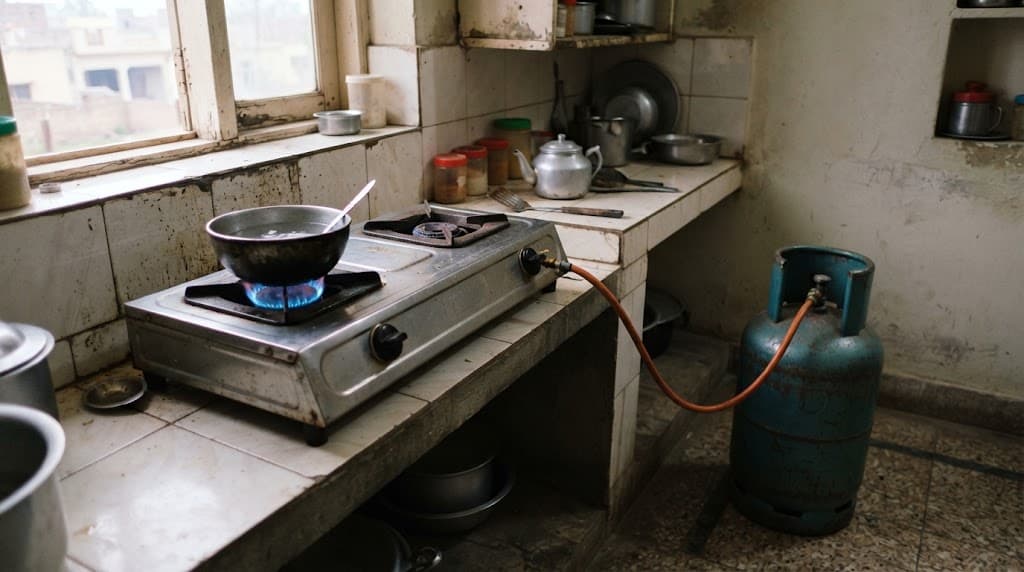
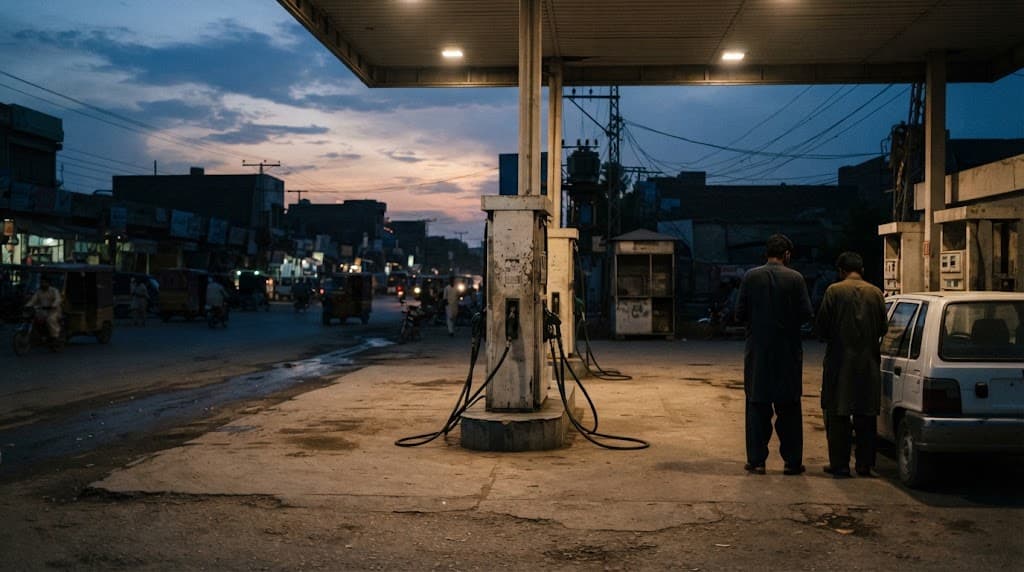
Petroleum Minister Ali Pervaiz Malik, speaking at a news conference at PTV headquarters, said the plan is meant to ease a severe shortage and high street prices through government-to-government and business-to-business procurement. He said LPG — often called the poor man’s fuel — was already scarce before winter because of disruptions along the western borders, and that illegal sellers were charging Rs700–800 per kg against the Oil and Gas Regulatory Authority (Ogra), the fuel price regulator’s, November maximum of about Rs295 per kg.
How the new import and subsidy rules work
The four firms named are Pakistan State Oil, Pakistan LNG Ltd, Sui Southern Gas-LPG and Parco-LPG. The minister said they had already received supply offers from Saudi Arabia and Oman. State buyers would import in bulk and publish a base price tied to the Saudi Aramco Contract Price as a monthly average landed cost on their websites. Private importers would still be free to bring in cargoes at lower rates and compete.
The prime minister directed that deserving consumers qualifying under Benazir Income Support Programme (BISP) rules receive LPG at Rs300–350 per kg. That support would be paid from a new account filled by the gap between the LPG import parity price and money raised when refineries and exploration and production companies auction locally produced LPG — a clawback arrangement. Local producers would sell in lots of five to 10 tonnes under oversight by Ogra and the petroleum division. The long-standing quota system that favoured influential groups would be scrapped.
Under the Pakistan LPG policy framework described by the minister, Ogra would stop issuing price notifications for locally produced and imported LPG. Producers would take the auction-based producer price, and any difference versus the SOE-linked base price would feed the BISP subsidy fund. The Competition Commission of Pakistan, the National Explosives and Petroleum Safety Agency and Ogra were assigned to tackle collusion, quality and price monitoring with district administrations.
Malik said that, once state supplies arrive, looking at the Saudi Contract Price and premiums, the open-market rate would be about Rs450–500 per kg. Even the planned BISP band of Rs300–350 per kg would sit above Ogra’s current notified maximum of Rs294.08 per kg.
Power purchase costs for 2027
Separately, a power division team laid out six scenarios for rebasing the power purchase price for January–December 2027 at a public hearing of the National Electric Power Regulatory Authority (Nepra), which sets electricity tariffs. Central Power Purchasing Agency CEO Rehan Akhtar and Power Planning and Monitoring Company CFO Naveed Qaiser presented the figures. All scenarios put next year’s purchase price, before taxes and other charges, above this year’s Rs25.32 per unit. None assumed a US–Iran war lasting into 2027.
The base case was Rs27.31 per unit (up Rs1.99). An ideal case officials called unlikely was Rs25.883 (up Rs0.563). Two worse cases reached Rs28.84 and Rs29.26 (up Rs3.52 and Rs3.94). Two further cases, tied to demand and greater LNG and gas availability, showed rises of Rs2.25 and Rs1.12. Projected annual power purchase spending ranged from Rs3.4 trillion to Rs3.8 trillion. Industrial consumers criticised extra entities and high staff costs. Nepra reserved its decision pending a full review of the record.
Timeline: what has happened so far
- November 2026: Ogra’s notified maximum LPG price stands near Rs295 per kg (Rs294.08 cited as the current ceiling).
- Tuesday (ahead of 4 November 2026 coverage): Cabinet approves the LPG policy; four SOEs are told to re-enter imports; Malik briefs the press at PTV headquarters.
- Same period: Power division presents six Nepra scenarios for the January–December 2027 power purchase price, all above Rs25.32 per unit.
- Next step: Nepra will issue its determination after examining submissions; SOE import prices and BISP supply arrangements remain to be rolled out in practice.
Aasan alfaaz mein
Sarkar ne naya LPG policy Pakistan ke liye pass kiya hai taake char sarkari companies bahir se LPG layein. Bazaar mein kuch log Rs700–800 kilo bech rahe the, jab ke official had qareeb Rs295 thi. BISP wale ghar Rs300–350 kilo par hasil karne ka irada hai, lekin bijli ki kharid qeemat 2027 mein lagbhag Rs2 se Rs4 unit tak barh sakti hai.