Iran’s top military commander has set out five conditions that Tehran says are needed for lasting regional security, tying calm to an end to nearby wars, sanctions relief and a new role for the Strait of Hormuz.
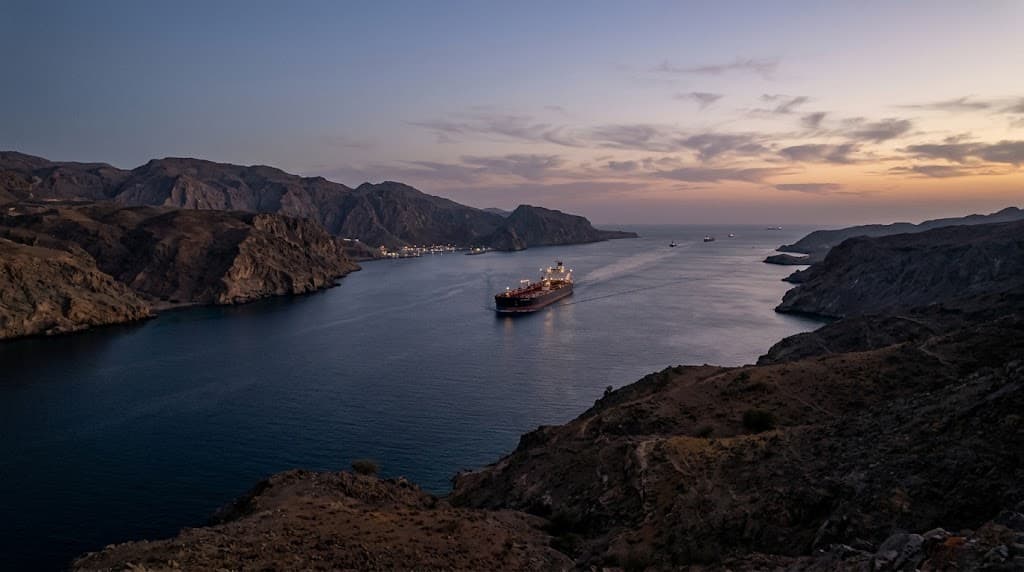
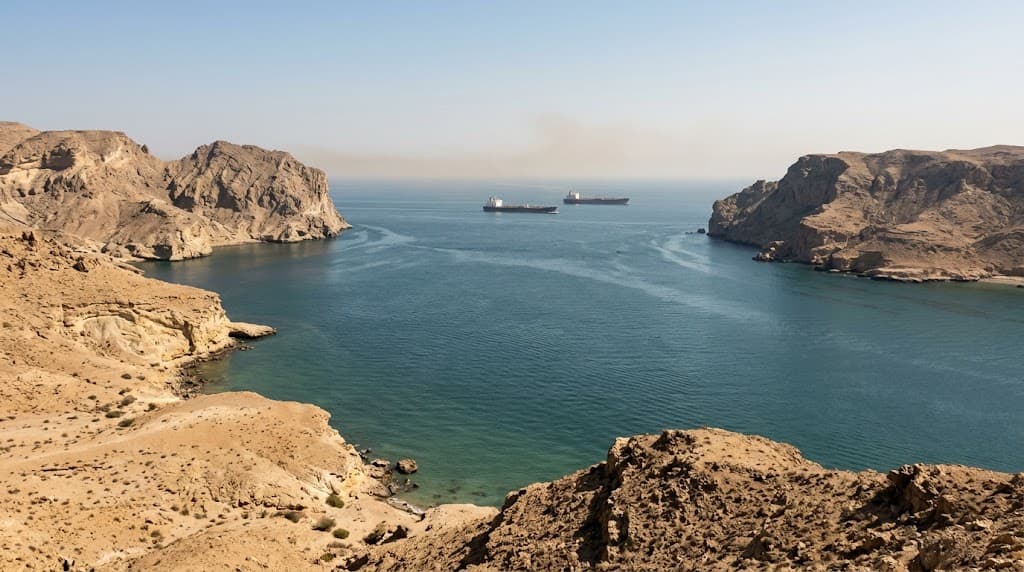
Major General Ali Abdollahi, Chief of Staff of Iran’s Armed Forces and commander of the Khatam al-Anbiya Central Headquarters, was quoted by Iran’s state broadcaster IRIB. He argued that Iran has become a “fourth centre of global power” because it can control the Strait of Hormuz—the narrow Gulf waterway through which much of the world’s oil passes—and help set the rules for access to it.
The five conditions Tehran puts forward
Abdollahi said lasting security depends first on ending wars on all fronts, especially in Lebanon and the Gaza Strip, and on rejecting negotiations held under military threats. Second, he demanded a complete lifting of sanctions on Iran and the release of frozen Iranian assets.
Third, he called for compensation for damage from what he described as the US-Israeli war on Iran, and from the 12-day war with Israel last year. Fourth, he sought recognition of Iran’s sovereignty over the Strait of Hormuz and the replacement of the US-led security framework with what he called a “Hormuz mechanism.” Fifth, he asked for guarantees against renewed military attacks and for security arrangements led by countries in the region.
Why the Strait of Hormuz matters in his argument
Abdollahi’s framing places the Strait of Hormuz at the centre of Iran’s claim to influence. By linking Hormuz control to global power status, he is presenting Tehran as a gatekeeper for shipping and energy routes through the Gulf—language that will be watched closely wherever fuel costs and maritime risk are felt, including in Pakistan.
The conditions also bundle political, economic and security demands: an end to fighting in Gaza and Lebanon, sanctions and asset relief, war-damage payments, Hormuz recognition under a regional “Hormuz mechanism,” and formal assurances against another military strike.
What remains unclear
The remarks outline Tehran’s stated terms; they do not, on their own, show whether other governments accept them or how any talks might proceed. Abdollahi rejected negotiations conducted under military pressure, while still listing compensation, sanctions relief and security guarantees as part of what he called essential for lasting calm.
Aasan alfaaz mein
Iran ke top military commander ne kaha hai ke region mein derpaedar amn ke liye paanch sharaait zaroori hain. Unhone Gaza aur Lebanon mein jang band karne, sanctions khatam karne aur Hormuz par Iran ki hakoomat manwane ki baat ki. Woh naye hamlon ke khilaf guarantees aur ilaqai mulkon ki security chahta hai. Pakistan jaisay mulkon ke liye yeh is liye ahem hai ke Hormuz se oil guzarta hai, is liye tension se petrol aur bijli ke kharche badhne ka khadsha rehta hai.