Iran says a “maximum deterrence” plan is ready against any new attack by the United States, and has warned that any such strike would draw an immediate response. At the same time, Iranian forces are updating target lists to include US and Israeli assets over a wider geographic area.
The statement comes amid fresh reports of shipping trouble near one of the world’s most sensitive oil routes. Pakistani readers following the wider US–Iran confrontation will recognise why both the deterrence message and the Hormuz incidents matter for fuel markets and regional risk.
Deterrence warning and expanded targets
Iranian officials framed the “maximum deterrence” plan as preparation for any further US military action. They linked that posture to an immediate reply if attacked again. Alongside that warning, the military’s target review was described as covering American and Israeli assets in expanded areas, signalling that Tehran wants adversaries to expect a broader set of possible responses.
A street banner in Tehran on 3 November 2026 showed Israeli Prime Minister Benjamin Netanyahu, Israel’s National Security Minister Itamar Ben-Gvir, US Secretary of Defense Pete Hegseth and Israeli Defence Minister Israel Katz—an image of the political and military figures Iran is casting as its main foes in this phase of the conflict.
Shipping alerts near the Strait of Hormuz
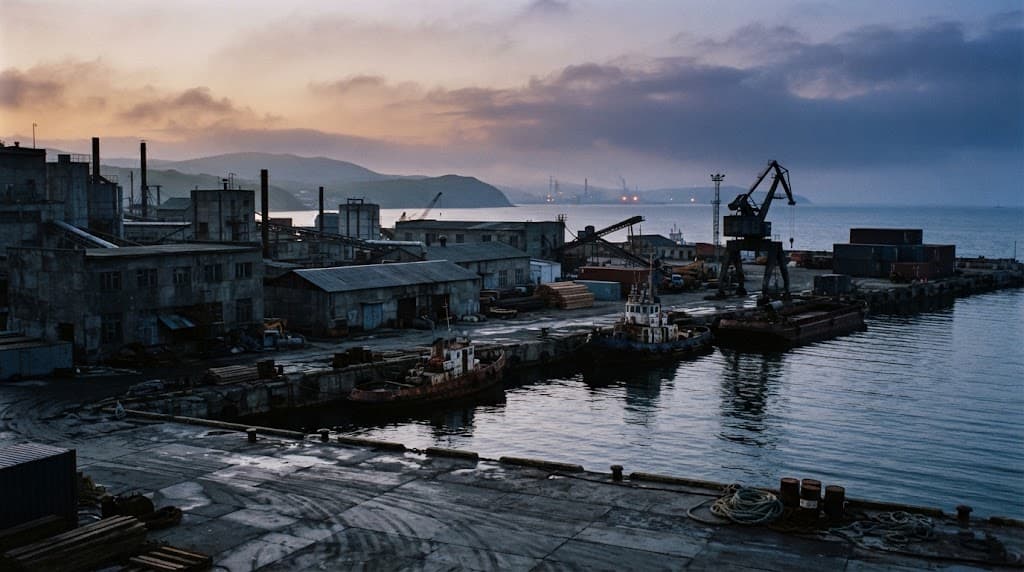
The United Kingdom Maritime Trade Operations (UKMTO)—the British agency that issues shipping safety notices—said an oil tanker had been struck by two “unknown projectiles” near the Strait of Hormuz, the narrow waterway between the Persian Gulf and the open ocean through which much of the world’s seaborne oil passes.
Earlier, Iran’s Islamic Revolutionary Guard Corps (IRGC)—the powerful branch of Iran’s armed forces—said three tankers exploded after hitting naval mines while moving through the strait “without permission.” The two accounts describe serious harm to tankers in the same corridor, but they differ on cause and detail: UKMTO pointed to unidentified projectiles hitting one vessel, while the IRGC described mine blasts involving three ships. Neither claim has been independently verified in the material available here, so both should be read as contested or unconfirmed pending further official clarification.
Timeline: what has happened so far
- 3 November 2026: A banner appeared on a Tehran street depicting Netanyahu, Ben-Gvir, Hegseth and Katz.
- Earlier (before the UKMTO notice): The IRGC said three tankers exploded after hitting naval mines in the Strait of Hormuz while transiting “without permission.”
- 4 November 2026: Iran said a “maximum deterrence” plan was ready against any new US attack, warned of an immediate response, and said target lists for US and Israeli assets were being expanded; UKMTO reported an oil tanker struck by two “unknown projectiles” near the Strait of Hormuz.
Aasan alfaaz mein
Iran ne kaha hai ke kisi bhi naye American hamle ke khilaf us ka “maximum deterrence” plan tayyar hai, aur jawab foran diya jaega. Fauj US aur Israeli targets ki list bhi barha rahi hai. Hormuz ke paas ek oil tanker par do anjaan projectiles lagney ki khabar aayi hai, jabke IRGC ne pehle teen tankers ke mine se phatney ka zikr kiya. Yeh route oil ke liye bohat ahem hai, is liye tension se petrol aur global bazaar pe asar parhne ka khauf rehta hai.