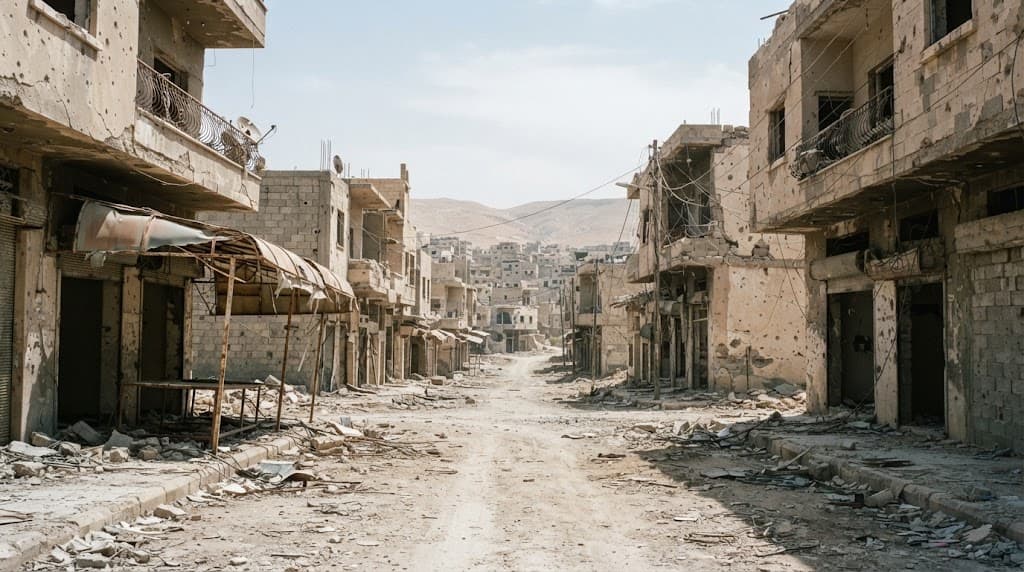
Iran war oil prices today have driven most of the inflation climb recorded so far in 2026 in major Western economies, according to a new Greenpeace analysis of what the group calls fossilflation—price pressure rooted in oil and gas dependence.
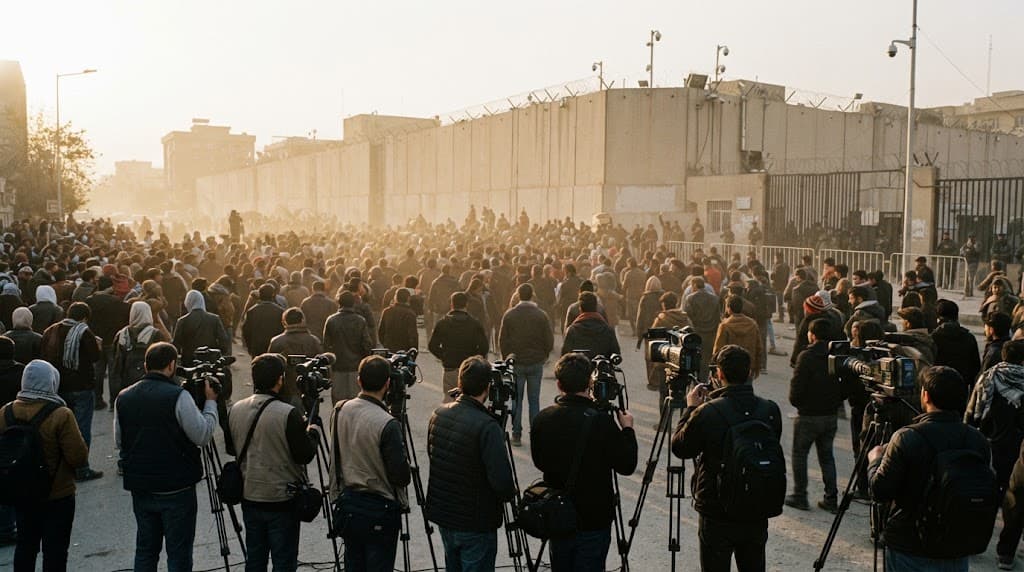
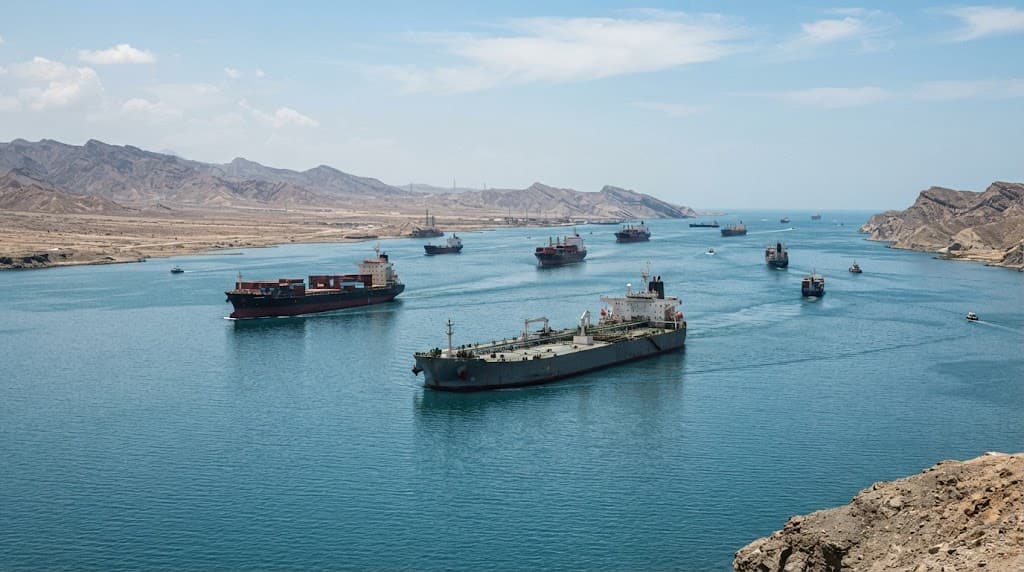
Greenpeace Germany’s findings, released around late October 2026, focus on the United States and the eurozone. Campaigners say the war on Iran and the oil crisis tied to the closure of the Strait of Hormuz pushed international fuel costs higher, and those costs fed straight into consumer prices far from the battlefield.
How much inflation the oil shock explains
In the United States, overall consumer price inflation rose from 2.4 percent in January 2026 to 3.4 percent in July, after peaking at 4.3 percent in May. Greenpeace says the rise in oil prices accounted for around 75 percent of the total increase in US inflation for 2026. Without the war and the Hormuz-linked oil crisis, July inflation would have reached only about 2.6 percent, the analysis estimates.
In the eurozone, fossil fuel prices accounted for the entire 1.5 percentage-point rise in inflation between January and August 2026. Without that oil price shock, August inflation would have been 2.2 percent instead of 3.2 percent, Greenpeace reports. Energy prices drove 100 percent of inflation changes in both the US and the eurozone so far in 2026, the group adds—higher still than the already large pre-pandemic shares it cites (71 percent in the eurozone and 93 percent in the US).
John Noël, a Greenpeace International campaigner, said the problem is bigger than any single conflict: economies remain tied to volatile fossil fuel markets, so disruptions keep feeding through into household costs.
Why the shock reaches ordinary bills
When oil and gas prices jump, the effects do not stop at the petrol pump or the monthly energy bill. Greenpeace argues they move through transport, food production, manufacturing and the cost of everyday goods and services—what it brands fossilflation.
The analysis centres on Europe and the United States, but the group says the same vulnerability extends to regions such as Southeast Asia and Africa, where households often have less room to absorb higher prices. A conflict or supply disruption thousands of kilometres away can lift living costs at home even if families have not used more energy.
Central banks can try to cool inflation by damping demand, Greenpeace notes, but they cannot stop wars, reopen disrupted oil routes or make international fossil fuel prices stable. Higher borrowing costs may squeeze households and small firms without removing the source of the shock.
Renewables as a buffer against the next spike
Iran war oil prices today also frame Greenpeace’s policy pitch: replace imported fossil fuels with decentralised renewable power and electrification so bills are less exposed to global oil markets.
In one simulation, a fully electrified German household using an electric vehicle, heat pump, rooftop solar and battery storage faced a 1.5 percent price increase between January and August 2026, compared with 2.5 percent for the official consumer basket. A related US-framed example—with a heat pump, electric vehicle, rooftop solar and battery storage and 70 percent self-consumption—likewise showed a year-to-date rise of 1.5 percent instead of 2.5 percent.
Noël said renewables can give households more control over bills while fossil fuel firms book large profits. Greenpeace USA is urging governments to accelerate the shift to decentralised clean energy and electrification, funded in part by permanent taxes on oil and gas company profits, and to treat fossil fuels as an economic risk.
That oil price shock and inflation link is why campaigners say waiting for the next crisis is not enough: as long as fossil fuels sit at the centre of energy systems, the next disruption will again lift prices.
Timeline: what has happened so far
- January 2026: US consumer price inflation stands at 2.4 percent as the year begins.
- May 2026: US inflation peaks at 4.3 percent during the oil-shock period.
- July 2026: US inflation is 3.4 percent; Greenpeace estimates it would have been about 2.6 percent without the Iran war oil crisis and Strait of Hormuz closure.
- January–August 2026: Fossil fuel prices account for the full 1.5 percentage-point rise in eurozone inflation; August eurozone inflation is 3.2 percent, versus an estimated 2.2 percent without the shock.
- 28 October 2026: Greenpeace publishes US-focused fossilflation findings tying most of the year’s inflation rise to the oil price shock.
Aasan alfaaz mein
Iran ki jang aur oil ki mehengi ke baad Amreeka aur Europe mein mehengai ka bari hissa fuel ke rates se juda dikhaya gaya hai. Greenpeace ka kehna hai ke jab oil mehnga hota hai to ghar ka kharcha bhi barh jata hai. Unke mutabiq suraj ki bijli, battery aur electric gaariyan is jhatke se kuch himayat de sakti hain. Pakistan jaisi mulkon ke liye yeh ehtiyat ki baat hai: oil pe zyada inhisaar agla crisis dubara mehengai la sakta hai.