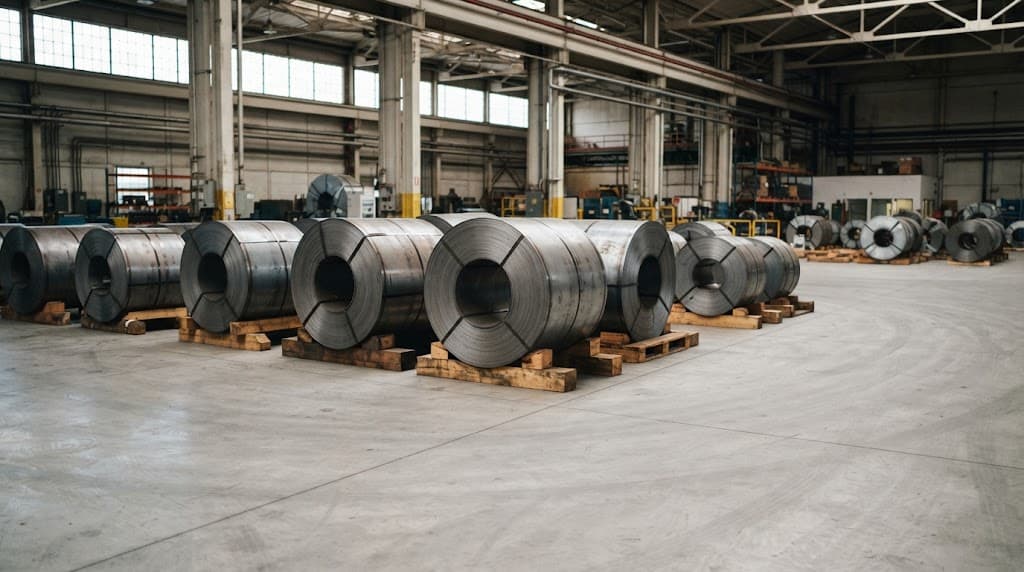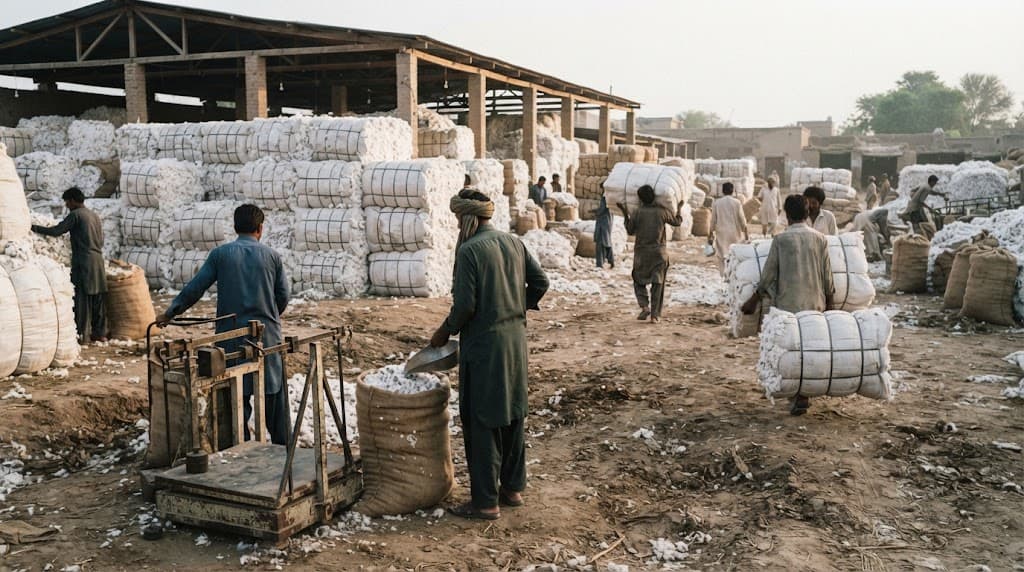
The cotton price in Pakistan today remained under pressure as the domestic market extended its decline. The Spot Rate Committee of the Karachi Cotton Association cut the official spot by Rs200 a maund to Rs17,800, giving price-checkers a clear Karachi benchmark for the week. Trading volumes were described as satisfactory, but buyers stayed selective.
Where local kapas is trading
In Sindh and Punjab, lint changed hands between Rs16,000 and Rs18,000 a maund, with the spread reflecting quality and payment terms. Balochi cotton commanded a firmer band of Rs18,700 to Rs19,000 a maund. Seed cotton, or phutti, in Sindh, Punjab and Balochistan ranged from Rs7,000 to Rs9,000 per 40 kg, again depending on grade.
Market sources linked some of the price weakness to poorer domestic fibre. They said some ginners have been blending grades to clear stocks, while others struggle with shorter staple length in seed cotton. Spinners, already facing higher production costs, have grown more cautious about locking in raw cotton when quality is uneven.
Why the cotton price trend stays soft
Analysts said the cotton price trend in Pakistan is tracking a softer international tone. Naseem Usman, chairman of the Karachi Cotton Brokers Forum, said bearish conditions also prevailed abroad, with New York cotton futures trading between 79 and 84 US cents a pound. Falling cotton yarn prices and a severe liquidity crunch were cited as further reasons mills are holding back.
Importing better-quality cotton has also become harder, market analysts said, as regional tensions involving Iran, the United States and other countries lift freight costs and complicate shipping. That leaves mills more dependent on local supply just as quality worries deepen.
Pressure on mills beyond the kapas yard
Textile producers are coping with expensive energy and tight credit. Industrialists had sought a lower policy rate from the State Bank of Pakistan (SBP, the country’s central bank), but the bank instead raised the rate by 50 basis points to 12 per cent. An electricity tariff increase of Rs2.56 a unit is expected to draw an additional Rs33 billion from consumers, while the Power Division has warned that December, January and February could be especially hard for power users if generation fuel costs stay high.
Cheaper fabric and yarn imports from China are another headache for domestic manufacturers. Industry voices say revival of the cotton chain will need better seed quality, higher yields and steadier policy support from the government, farmers, ginners and mills together—without which export competitiveness will remain under strain.
Aasan alfaaz mein
Kapas ki qeemat Pakistan mein is hafte aur giri hai. Karachi ka spot rate Rs17,800 maund par aa gaya, Rs200 kam. Sindh aur Punjab mein kapas roughly Rs16,000 se Rs18,000 maund ke darmiyan biki. Mills abhi quality aur mehngai ki wajah se kharidari mein ehtiyat kar rahi hain.