Government acts as winter demand nears
The federal government has ordered coordinated action against alleged hoarding of liquefied petroleum gas (LPG) that it says could create an artificial LPG shortage in Pakistan just as winter approaches. All relevant federal and provincial agencies have been directed to respond together, and the Oil and Gas Regulatory Authority (OGRA)—the sector regulator—has been told to push provincial governments and federal port and clearance authorities to take swift corrective steps.
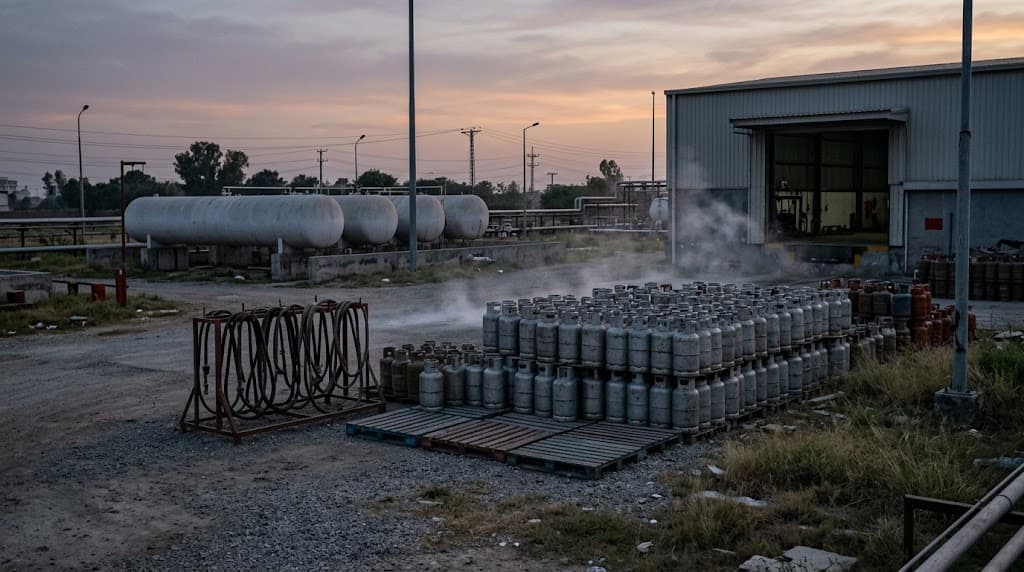
The move followed market reports that domestic cylinders were changing hands at almost 50 per cent above the official rate: about Rs5,000 for an 11.8kg cylinder, compared with the Rs3,296 price notified by OGRA.
What the Petroleum Division flagged
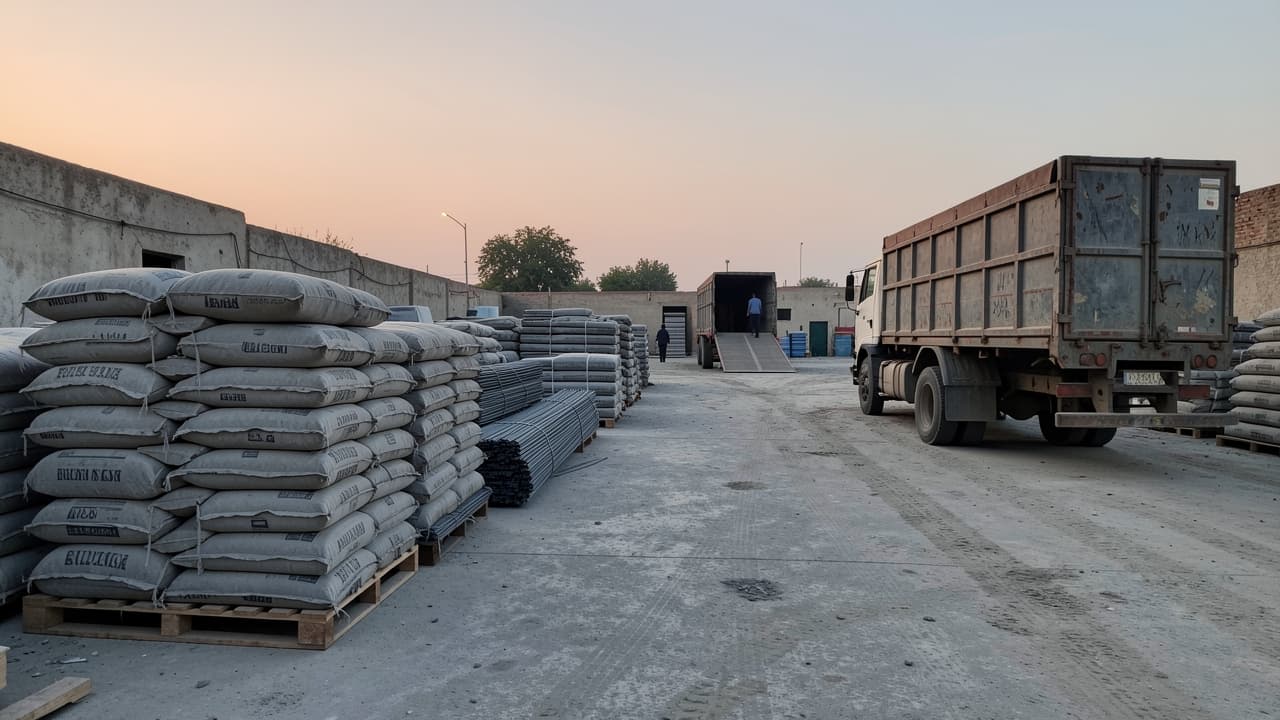
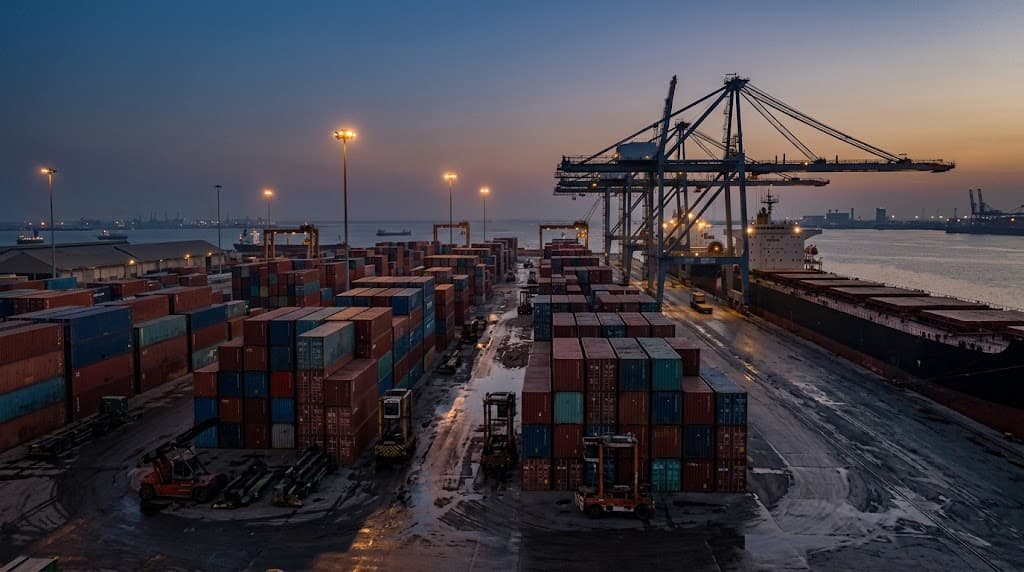
In a letter to OGRA’s chairman and the director general for LPG, the Petroleum Division said importers appeared to be bringing in volumes in line with domestic demand, yet those cargoes were not being lifted regularly from import terminals. That pattern, it said, raised concern that stock was being held back and an artificial shortage created in the domestic market.
Officials linked that gap to higher prices, especially in hilly, remote and off-grid areas where households depend heavily on LPG for cooking and heating. OGRA was asked to stop hoarding, keep product moving to demand centres, and enforce availability at notified prices in those harder-to-serve districts.
Local supply, competition and the courts
Separately, the Petroleum Division said it was alert to market stress and that a transparent, competitive process for disposing of locally produced LPG remained a priority. Officials argued that locally produced gas has been concentrated among a few players, and that a clearer allocation system—aligned with the LPG Policy 2016—would improve supply, open the field to more participants, and still reserve product for far-flung and hilly areas.
That mechanism, the division said, is meant to give upstream producers a fair return while widening access for other market players. Progress has been slowed by litigation; the matter is before the courts, and the government said it reserves the right to use all lawful options. It also restated a broader commitment to market efficiency, a transparent business environment, and consumer protection.
What happens next
Enforcement now rests largely with OGRA and the provincial and federal agencies that oversee ports, clearance and local distribution. Consumers will judge success by whether cylinders reappear at the notified rate and whether lifting from terminals returns to a steady pace before peak winter use. Any lasting fix for local allocation will depend on how the court process and the proposed competitive disposal system move forward.
Aasan alfaaz mein
Sarkar ka kehna hai ke LPG ko zakheera karke nami qillat paida ki ja rahi hai, is liye sardeyon se pehle action shuru kiya gaya hai. Gharaylu cylinder ki notified qeemat Rs3,296 hai, magar bazaar mein lagbhag Rs5,000 tak bechne ki khabrein aayi hain. OGRA aur related idaron ko kaha gaya hai ke supply regular rakhein aur asl qeemat par cylinder milain, khas tor par pahari aur door daraaz ilaqon mein. Aam logon ke liye matlab yeh hai ke agar nigrani kaam karti hai to winter mein LPG milne aur bill control rehne ka imkan behtar hota hai.