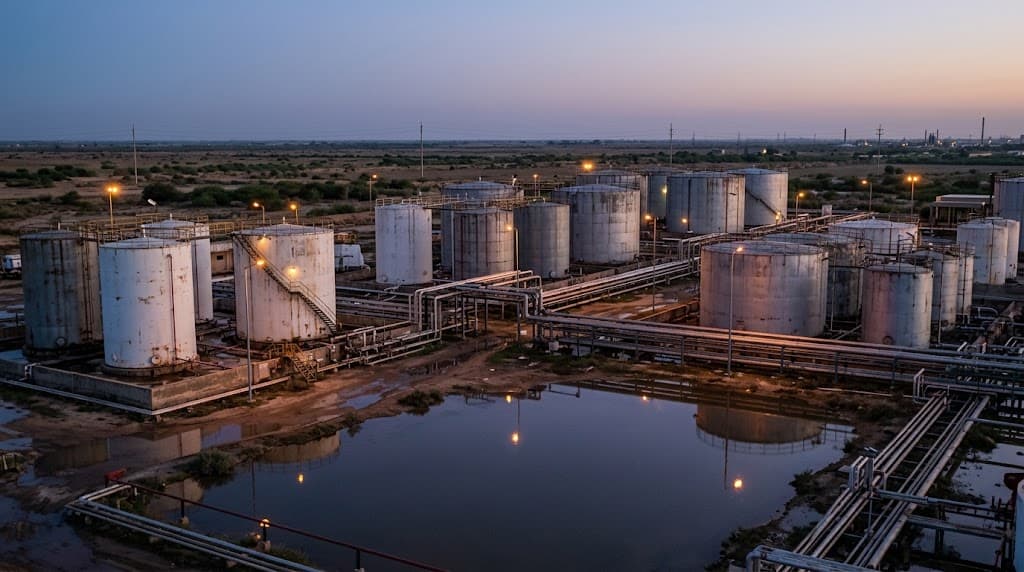
Finance Minister Muhammad Aurangzeb said on Saturday that Pakistan energy supplies are sufficient to last through November, and that the government is now preparing for the usual winter rise in household demand.
He spoke on the sidelines of the International Monetary Fund (IMF)—the global lender that supports countries under financial strain—and World Bank Annual Meetings in Bangkok. He said Pakistan had so far managed the shock from soaring international energy prices linked to the conflict involving the United States, Israel and Iran.
No shortages so far, winter planning next
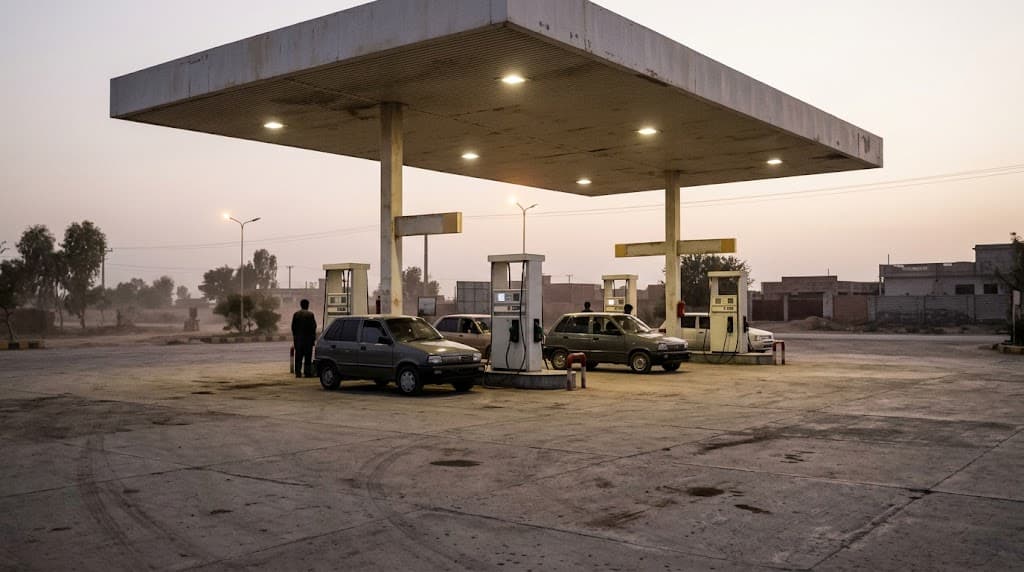
Aurangzeb said the "first-order impact" had been negotiated well. There had been no shortage, no queues at petrol stations, and no law-and-order unrest of the kind seen in some other countries, he said.
Unless officials saw an "absolute dire need," he added, the government would not buy spot cargoes of liquefied natural gas (LNG)—short-term market shipments that are usually far more expensive than gas already under contract. With Pakistan energy supplies covered into November, attention has shifted to stocking and planning for colder months, when household needs typically jump.
Gulf attacks cloud a longer recovery
He described attacks on energy infrastructure in Saudi Arabia and other Gulf countries as "worrying" for Pakistan's longer-term economic outlook. Damage to such sites, he said, would mean that even if fighting eased, a return to normal economic conditions would take longer.
"What is now [the] worrying part of it is when the energy infrastructure starts getting hit," he said. He added that he did not know where the escalation would lead, but that continued hits on infrastructure would delay a return to normalcy.
Since February, global energy prices have surged as the conflict has intensified and Iranian retaliatory action has targeted Washington's Gulf allies and constrained oil and gas supplies. Houthi attacks from Yemen on Saudi energy facilities and airports in recent days have added to that wider risk picture.
Reforms, taxes and the IMF track
Aurangzeb said Pakistan had already been on a fiscal consolidation path—tightening public finances to keep deficits and debt under control—which the IMF has urged economies to pursue at this year's meetings. Tax revenues have grown significantly in recent years, he said, and the government is targeting sales-tax theft by private businesses that collect tax from consumers but do not deposit it with the state. He put that theft in the billions of dollars and said there was still "room for improvement" on income-tax collection. Reforms had met pushback from industry, lobbying groups and vested interests, he said.
Pakistan remains under a $7 billion Extended Fund Facility (EFF)—a multi-year IMF loan programme—and a $1.4 billion Resilience and Sustainability Facility (RSF). Earlier this month, a staff-level agreement after the fourth EFF review and the third RSF review cleared the way for Pakistan to draw about $1.2 billion. Aurangzeb is leading the Pakistani delegation and met World Bank Group President Ajay Banga at a dinner hosted by Thailand's prime minister on the sidelines of the meetings.
Timeline: what has happened so far
- February: Conflict involving the US, Israel and Iran intensifies; global energy prices surge as Gulf supplies come under pressure.
- Earlier this month: IMF staff-level agreement after the fourth EFF review and third RSF review; Pakistan qualifies to draw about $1.2 billion.
- Day before the Saturday interview: Aurangzeb meets World Bank Group President Ajay Banga at a dinner hosted by Thailand's prime minister.
- Saturday: Aurangzeb says Pakistan energy supplies will last through November and that winter planning is under way.
Aasan alfaaz mein
Wazeer-e-Khazana Aurangzeb ne kaha hai ke Pakistan ke paas November tak energy ki supply hai. Ab sardiyon ke liye planning ho rahi hai, jab gharoon mein gas aur bijli ki zarurat barhti hai. Abhi petrol pumpon par koi qataar nahi bani aur sarkar mehangi spot LNG tabhi kharidegi jab bohot zaroori ho. Gulf mein energy infrastructure par hamle un ke mutabiq mustaqbil ki recovery ko der kar sakte hain.