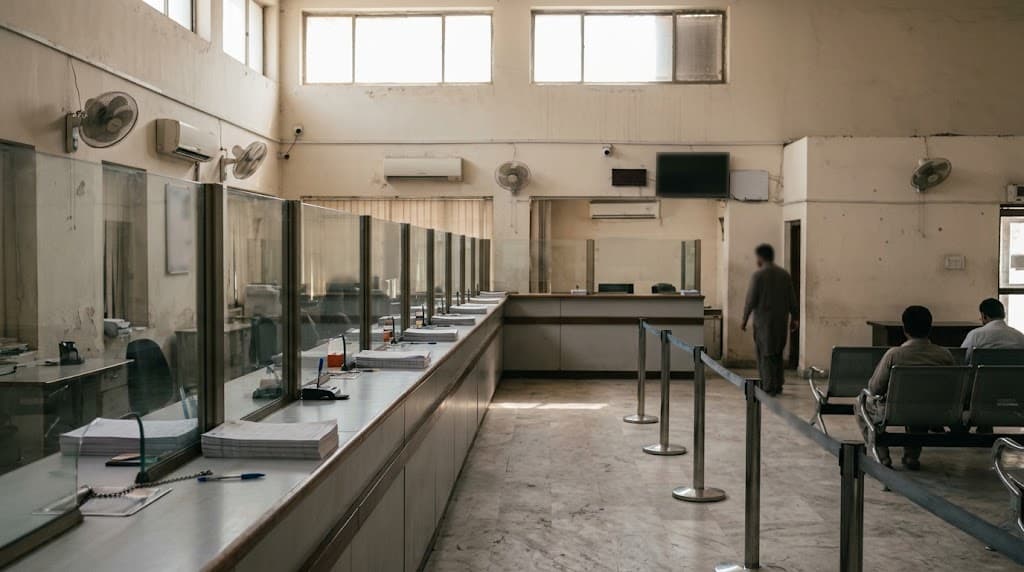
Pakistan bank deposits held by scheduled banks have nearly doubled to Rs40.83 trillion in September 2026, from about Rs21 trillion four years earlier. Former minister and Pakistan Economic Policy and Business Development chairman Dr Gohar Ejaz said on Saturday that the rise of Rs19.83 trillion between September 2022 and September 2026 shows a much larger pool of savings inside the banking system—and sharpens questions about where that money is going.
A bigger deposit base, not automatic growth
Ejaz described the expansion as a substantial increase in funds available within Pakistan's banking system. In principle, that pool could support industrial expansion, business investment, jobs and wider economic activity. Availability alone, however, does not guarantee more private-sector credit or investment.
The central challenge, he argued, is translating the growing deposit base into financing for productive sectors—especially firms that need capital to expand, modernise plants and hire workers. Sustainable growth, in his view, depends on that productive use of money rather than on banks mainly lending to the government.
Why government borrowing is in focus
The larger deposit stock has revived debate over whether funds are flowing to businesses and industry or being absorbed by official borrowing. When the state borrows heavily from banks, it can compete with private borrowers for the same pool of funds.
Depending on returns and credit risk, banks may prefer government paper over loans to companies—particularly smaller enterprises that often face higher borrowing costs and strict collateral rules. A sustained tilt toward government securities could squeeze credit for private investment and weaken the private sector's contribution to growth. That concern sits alongside the sheer scale of Pakistan bank deposits now sitting in the system.
Timeline: what has happened so far
- September 2022: Scheduled banks' deposits stood at about Rs21 trillion.
- September 2022–September 2026: Deposits rose by Rs19.83 trillion.
- September 2026: The deposit base reached Rs40.83 trillion—nearly double the level four years earlier.
- Saturday: Dr Gohar Ejaz publicly flagged the expansion and urged that mobilised funds reach businesses and industry rather than remain concentrated in government lending.
Aasan alfaaz mein
Pakistan ke scheduled banks ke paas ab September 2026 tak lagbhag Rs40.83 trillion deposits hain—char saal pehle yeh raqam Rs21 trillion ke qareeb thi. Matlab logon aur institutions ne banks mein bohot zyada paisa rakha hai. Lekin experts keh rahe hain ke yeh paisa business aur industry tak pahunchna chahiye, sirf sarkari qarzon mein nahi. Agar banks zyada tar sarkar ko udhaar den, to companies ke liye loan mushkil aur mehnga ho sakta hai, jis se naukrian aur investment pe asar pad sakta hai.