Pakistan’s central bank faces a fresh call for tighter money as the State Bank of Pakistan (SBP) Monetary Policy Committee prepares to meet on Monday. Economic stakeholders, citing inflationary pressure from expensive oil imports tied to conflict in the Middle East, have urged a 50- to 100-basis-point rise in the SBP interest rate. The policy rate currently stands at 11.5 per cent, and most financial experts in the market are said to see a 50bps increase as the likeliest outcome.
What markets and bankers expect
Analysts and bankers describe the SBP as torn between raising rates to fight inflation and protecting a long-sought recovery in growth. Senior banker Rashid Masood Alam said he was sure of a 50bps increase, but argued that “the market requires a 100bps hike to tame rising inflation.” He also pointed to the risk that looming US attacks on Iran could push prices higher and strengthen the case for a hike.
Faisal Mamsa, chief executive of Tresmark, called a 50bps move “the sensible middle ground”—enough to recognise changing risks without unnecessarily harming growth. He said such a step could help preserve confidence and monetary stability, while a 100bps rise would lift borrowing costs for the government and private sector with limited extra gain over a measured increase. “Pakistan has become better at maintaining stability, but we also need to find a way to grow without losing it,” he said.
Why inflation pressure has returned
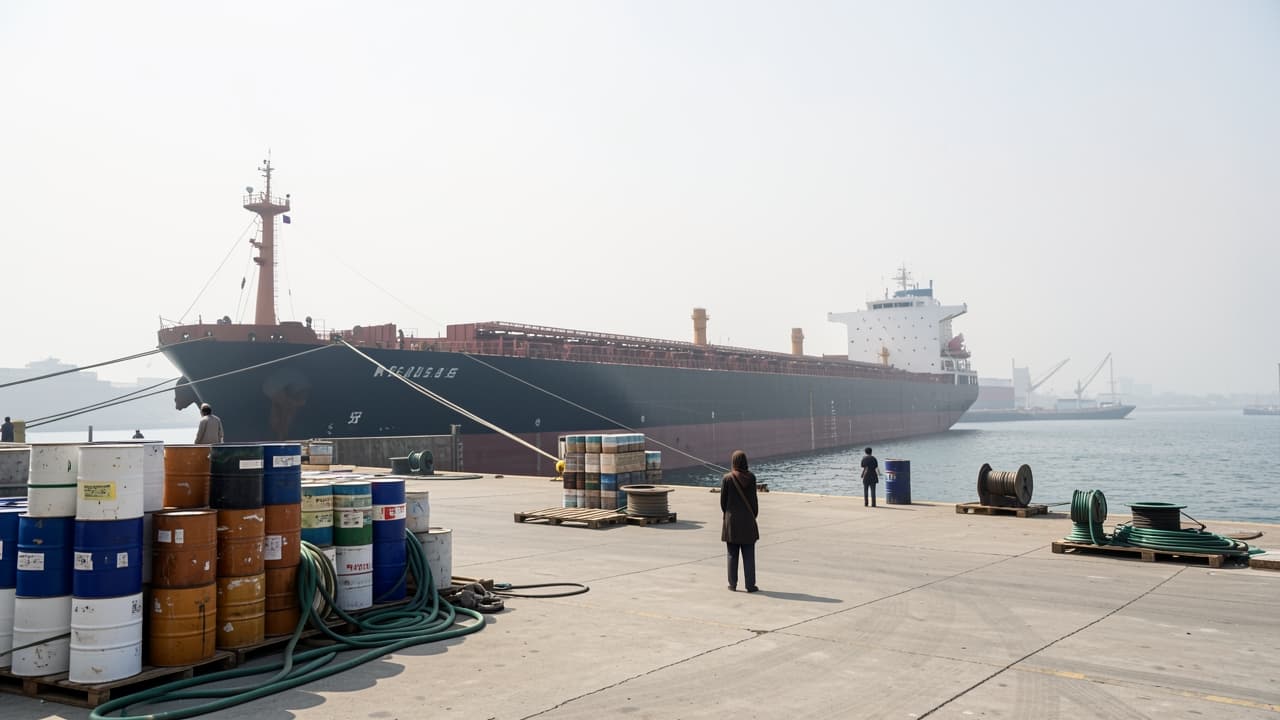
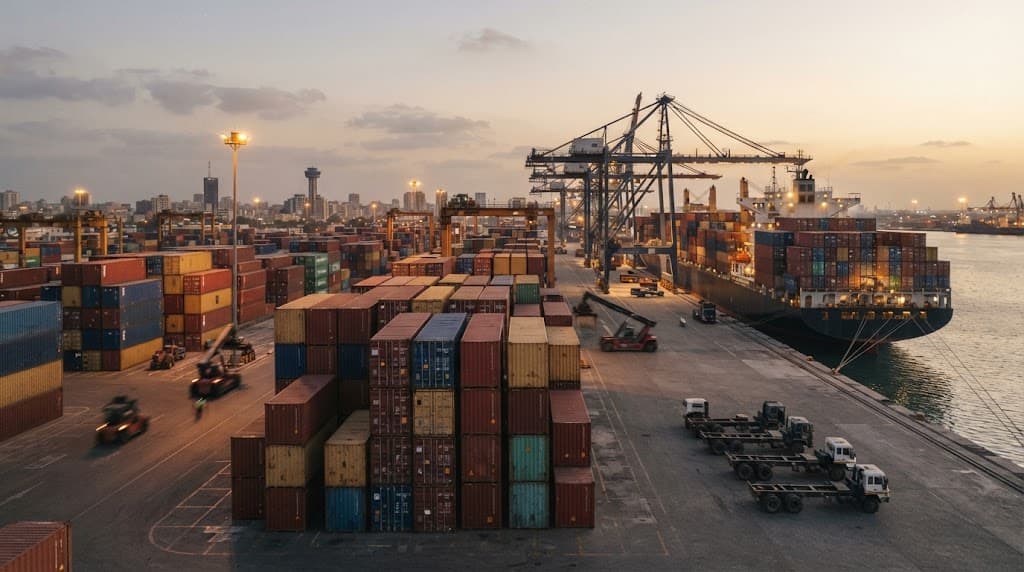
In the first quarter of FY27, consumer price index (CPI) inflation stood at 10.2 per cent, compared with 4.3 per cent in the same period a year earlier. Experts link the renewed squeeze to the regional conflict, higher oil prices, and shipping costs that have climbed to peak levels, complicating both exports and imports.
Other major central banks, including the Reserve Bank of India, have already raised rates. The International Monetary Fund (IMF)—the global lender that often advises member countries on economic policy—expects world inflation of 4.7 per cent in 2026 and 4.1 per cent in 2027, with price pressures proving harder to contain than earlier hoped.
Industry asks for lower rates instead
Not everyone wants a tighter SBP interest rate. Industry groups are pressing for cuts to support activity. Saleem Mukati, chairman of the Pakistan Chemicals and Dyes Merchants Association, said raising rates “merely in the name of controlling inflation would not prove effective” and that the burden would fall on traders and industrialists. The Korangi Association of Trade and Industry and the SITE Association of Industry have also demanded that the rate be brought down to single digits.
Timeline: what has happened so far
- Same period last year: CPI inflation was 4.3 per cent in the matching quarter.
- First quarter of FY27: CPI inflation rose to 10.2 per cent.
- Ahead of Monday’s meeting: Stakeholders call for a 50–100bps hike; most experts lean toward 50bps while the policy rate sits at 11.5 per cent.
- IMF outlook cited: Global inflation projected at 4.7 per cent in 2026 and 4.1 per cent in 2027.
- Monday: The SBP Monetary Policy Committee is scheduled to meet.
Aasan alfaaz mein
SBP peer ko monetary policy meeting karne wala hai, jahan interest rate 11.5 percent hai. Bohot se bankers kehte hain rate 50 basis points barh sakta hai kyunke mehngai aur oil ke rates badh rahe hain. Industry wale iske khilaf hain aur rate kam karne ki maang kar rahe hain. Agar rate barha to loan aur business ka kharcha zyada ho sakta hai.