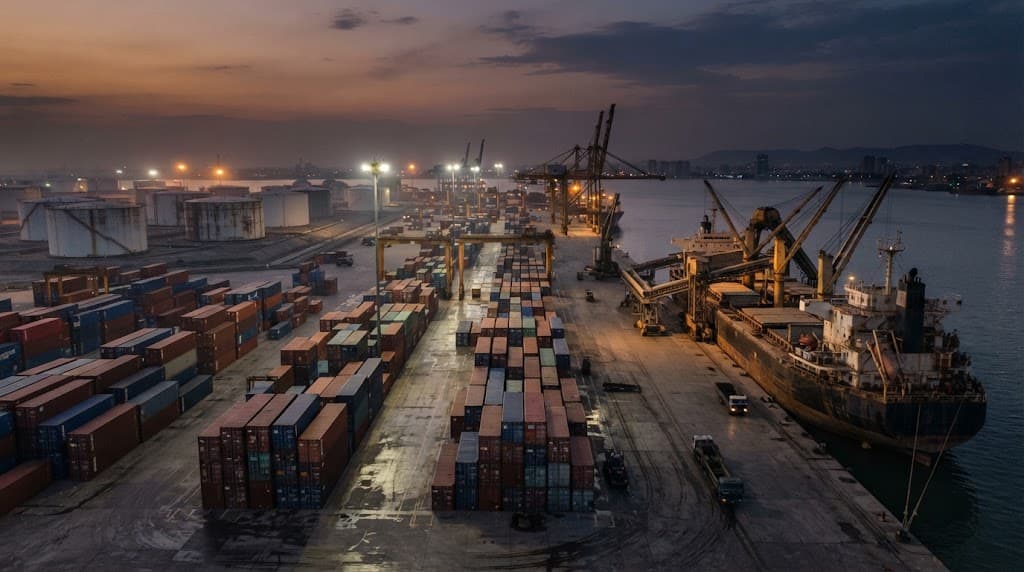
The World Bank projects that global commodity prices in 2026 will climb by about 23 percent. Officials linked the jump to fiercer energy costs, interrupted sea freight tied to fighting in the Middle East, trouble moving grain across the Black Sea, and heavy buying of refuge assets such as gold.
Oil, gas, foodstuffs and industrial metals have already moved sharply higher this year as those pressures built, according to the bank’s latest twice-yearly commodity review. It warned the picture could darken further if Middle East fighting intensifies or attacks on Russian oil facilities keep cutting supply.
What the bank expects for oil and energy
Energy costs are forecast to jump 32% in 2026, to their strongest point since Russia’s full-scale assault on Ukraine in 2022. With production constrained, Brent is expected to stay firm and average $92 a barrel across the year. The bank noted that prices would be higher still if demand were not already seen falling 2.5% this year—one of the steepest demand drops on record after the 2020 pandemic shock and the 1980 oil crisis.
World oil inventories have been drawn down during the Middle East conflict, and global supply is projected to shrink 5.2% in 2026. Outside the 2020 recession, that would be the largest decline in four decades. Those supply strains help explain why the middle east war impact on oil prices sits at the centre of the bank’s outlook.
Food, fertiliser, metals and gold
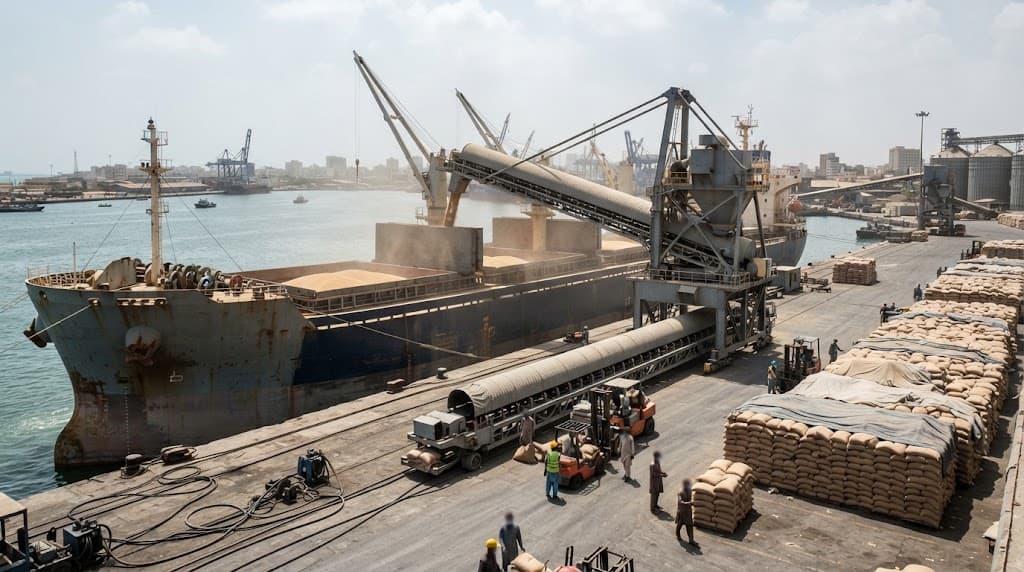
Food commodity prices are expected to rise a little more than 10% in 2026, mainly because grain shipments are disrupted by Russia–Ukraine fighting on the Black Sea, then another 7% or more in 2027—almost 18% over the two years combined. Fertiliser costs are seen up 14% in 2026 on a urea spike, before easing back toward 2025 levels the following year.
Industrial metals are projected to gain 25% and reach a fresh peak in 2026, with aluminium, copper and tin each hitting records as supply snags meet strong demand from renewable power, electric vehicles and data centres. Precious metals could jump 40% in 2026 as investors seek safety amid geopolitical and policy uncertainty, with some cooling possible in 2027.
After that spike, overall prices are expected to ease about 7% the following year. Even so, the bank said a severe El Niño—potentially the worst since 1950—could keep food costs elevated and feed inflation worries that push central banks toward tighter policy.
Risks, aid and official warnings
Deputy chief economist Ayhan Kose said markets face “several major shocks at once,” with energy costs and trade hold-ups lifting prices widely and raising risks for inflation, hunger and growth. In a harsher scenario that joins a record El Niño, worse Black Sea grain delays, wider Middle East conflict and ongoing damage to Russian oil assets, food prices could run 12% above the baseline forecast—echoing the early-2010s food crisis that pushed more than 40 million extra people into extreme poverty.
The review was published on Wednesday, two days before foreign ministers from the Group of 20 meet in Atlanta, Georgia, with wars in the Middle East and Ukraine on the agenda. Kose said the institution’s priority is shielding the poorest and helping heavily indebted low-income states. The bank reported it has already provided $8.7 billion in cheap loans and related support to 25 countries hurt by the Middle East conflict—10 that redirected existing programmes and 19 that drew new funds, with some doing both.
Taken together, the bank’s baseline for global commodity prices in 2026 rests on stacked shocks rather than a single cause. How far prices move will still depend on whether conflict, weather and shipping problems ease—or worsen.
Aasan alfaaz mein
World Bank ka kehna hai ke 2026 mein dunia bhar ki cheezon ke daam lagbhag 23% tak barh sakte hain. Tel, gas, anaj aur metal mehenge hone ki wajah Middle East ki jang, Black Sea par anaj ki rukawat aur gold ki demand hai. Brent tel ka daam sal bhar qareeb 92 dollar rehne ka andaza hai. Is se mehngai aur khane ke kharch par dabao barh sakta hai, khas tor par agar jang ya mausam aur bigar jayein.