Judge pushes back on survivor blame
Supreme Court Justice Ayesha Malik on Tuesday told an Islamabad gathering that ideas which treat women as having provoked sexual assault must be questioned. She said such thinking still shapes how rape is discussed and judged, and that those habits need a basic rethink.
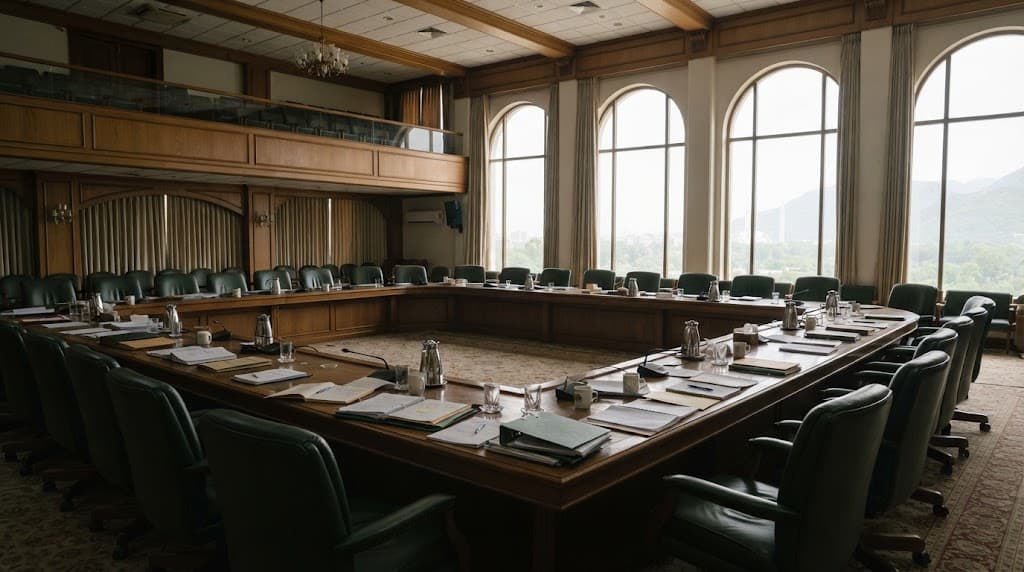
Justice Ayesha Malik also voiced alarm that sexual assault has grown so familiar that public anger no longer rises as it should. She delivered the main speech at the unveiling of a practical handbook for judges who hear rape matters in gender-based violence courts.
New tools for rape trials
The Ministry of Human Rights staged the launch with the Legal Aid Society and the United Nations Population Fund (UNFPA), the UN body that works on reproductive health and rights. The ministry said the handbook is meant to help courts run fairer hearings and decide cases on statute and proof, not on prejudice.
A second document—a national review of why conviction rates in gender-based violence matters stay low—appeared at the same event. Rabeea Hadi of the ministry’s Child Protection Institute outlined that review, prepared with the Senate’s Functional Committee on Human Rights. It traces weak points from the first complaint through police work, medical exams, prosecution and the trial itself.
Advocate Maliha Zia of the Legal Aid Society explained how the handbook is organised for use while a case is under way. The ministry said its 10 chapters track the order of a trial and gather the statutes and superior-court guidance a judge needs when weighing evidence.
Law on paper, practice on the ground
Senator Ayesha Raza Farooq, who chairs the special panel on the Anti-Rape (Investigation and Trial) Act 2021, stressed how that statute should work in daily hearings. She said the handbook draws together what Parliament passed and what the higher judiciary has held, then puts that material where the trial judge can actually reach it.
Barrister Haya Emaan Zahid, chief executive of the Legal Aid Society, walked through the path survivors travel. She pointed to late reporting, thin medical files and family power imbalances, and said those facts must be read in context rather than used to dismiss a complaint.
UNFPA’s Pakistan representative, Dr Luay Shabaneh, tied careful courtroom reasoning to Pakistan’s wider human-rights duties, arguing that a well-reasoned verdict shields people both inside and beyond the courtroom. Mary Kate Thomson of the British High Commission said public trust grows or shrinks with how ordinary cases are handled, and that this shapes whether survivors speak up.
Opening the programme, human rights secretary Abdul Khalique Shaikh said the ministry stands behind both documents. He admitted that written safeguards and what happens in practice have still not lined up, and asked for closer attention to how protections are delivered day to day.
The room included judges, prosecutors, lawmakers, senior officials, lawyers and development partners, all focused on turning legal promises into steadier results across the justice chain.
Sahil’s Six Months Cruel Numbers Report for January–June 2026 recorded 3,172 gender-based violence cases nationwide, 18 of them involving transgender people. Among the totals were 644 murders, 514 torture cases, 462 abductions, 363 suicides, 280 rapes, 175 injuries, 132 honour killings and 21 other offences such as harassment, gang rape and pornography-related crimes.
Aasan alfaaz mein
Supreme Court ki Justice Ayesha Malik ne kaha ke rape ke baad aurat ko zimmedaar thairana galat hai. Islamabad mein judges ke liye rape cases ka naya guidebook launch hua. Officials ne kaha ke qanoon kitab mein hai lekin adalat mein abhi pura nahi lagta. Is se survivors ko zyada insaf milne ki umeed hai.