What the House decided
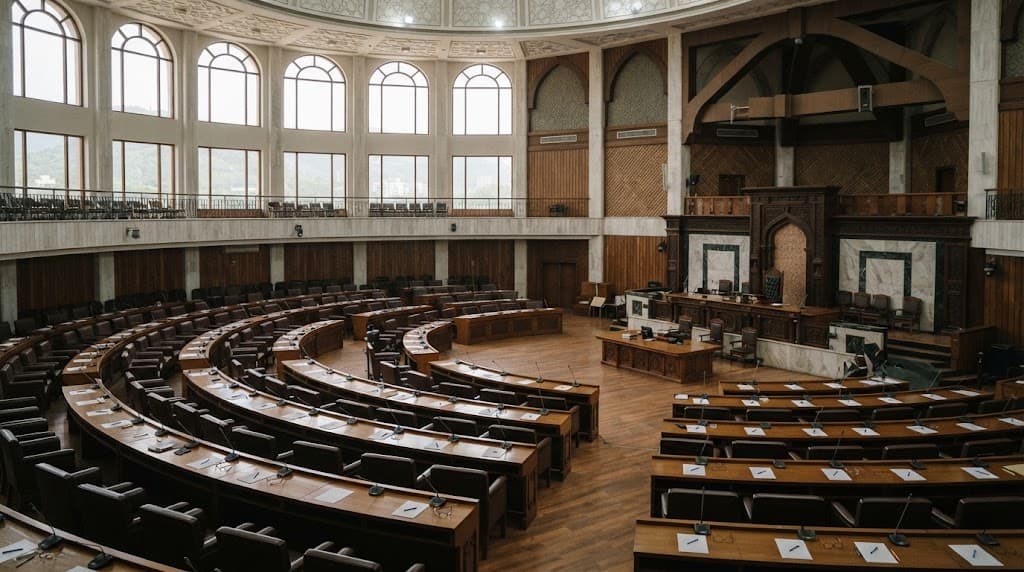
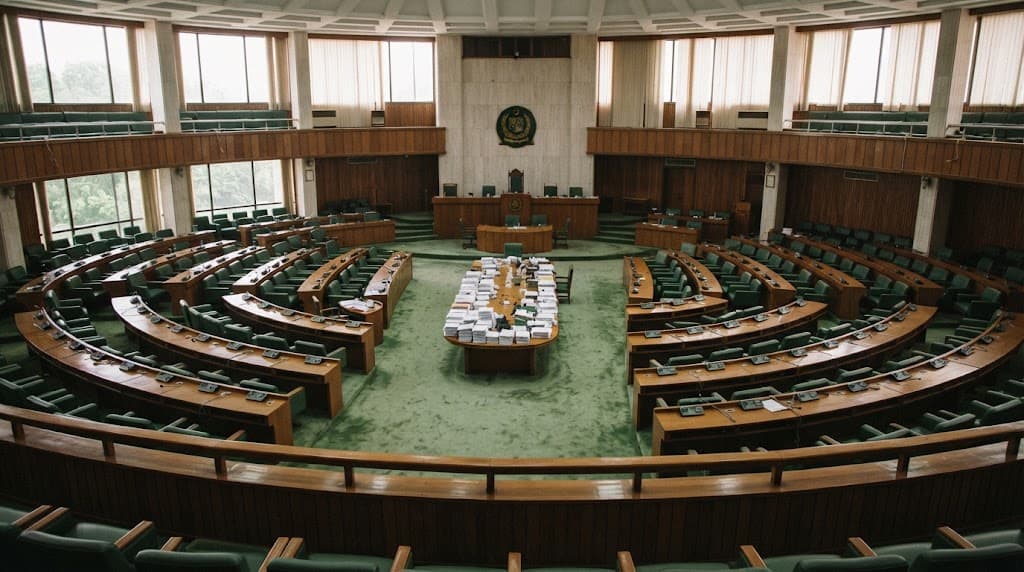
On Friday in Islamabad, the National Assembly gave unanimous support to a motion that restates Parliament’s pledge to defend personal dignity, equal treatment and basic rights for anyone facing mistreatment or gender bias at work. MNA Dr Shahida Rehmani, who serves as secretary of the Women’s Parliamentary Caucus, brought the proposal before the chamber.
The vote does not create a new statute. Instead it spells out how existing law should be read: complaints that involve gender-linked bias, pressure, humiliation, degrading acts, hostile conduct or abuse of authority—whether tied to sex or not—fall inside the same protective net as overtly sexual wrongdoing.
How harassment is defined in the motion
Movers of the text argued that mistreatment at work goes beyond sexual behaviour. Bias rooted in gender, bullying, demeaning treatment, a toxic climate and misuse of power can all qualify, the resolution says, even when nobody makes a sexual demand or advance. Leaving those harms outside the frame, it warns, would shrink dignity into artificial categories and treat some victims as less worthy of a fair response.
The motion also points back to the Protection against Harassment of Women at the Workplace Act, 2010, updated in 2022. That statute, the House recalled, already places gender-based discrimination—sexual or otherwise—inside the legal idea of harassment. In plain terms, the assembly is telling institutions that the amended Act was meant to cover more than advances of a sexual kind.
Call for full enforcement
Through the resolution, members pressed the federal government and every agency with a role under the law to apply the rules as a whole. No one, they said, should lose statutory cover simply because a complaint describes gender bias or hostile treatment rather than a sexual incident. Fair process, equal seriousness and clear accountability must apply across the board, according to the text.
The Women’s Parliamentary Caucus framed the step as part of its wider push for offices and workplaces across Pakistan that reject intimidation, humiliation and discrimination. A setting free of those harms, the motion insists, is a basic condition of dignity, equality and justice—not an optional perk.
Aasan alfaaz mein
National Assembly ne ek resolution pass kiya hai jo kehta hai ke office mein sirf sexual harassment hi nahi, gender bias aur bura sulook bhi law ke under aata hai. Ye pehle se maujood 2010 ke qanoon ki wazahat hai, naya qanoon nahi. Government se kaha gaya hai ke non-sexual complaints ko bhi same protection di jaye. Ordinary workers ke liye matlab yeh hai ke agar aap ke sath gender ki bunyad par zillat ya dabaao ho, to shikayat ko halka nahi samjha jana chahiye.