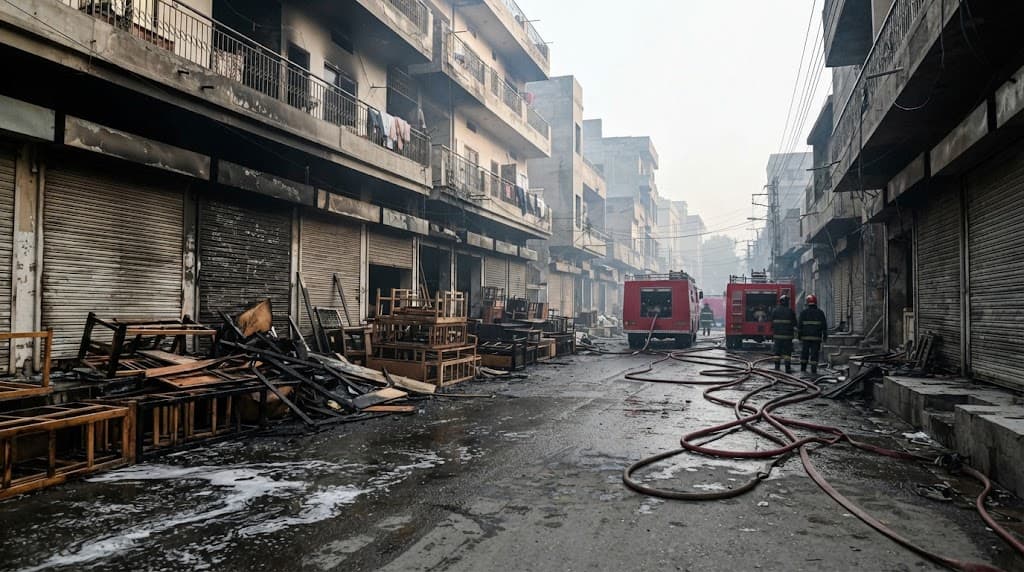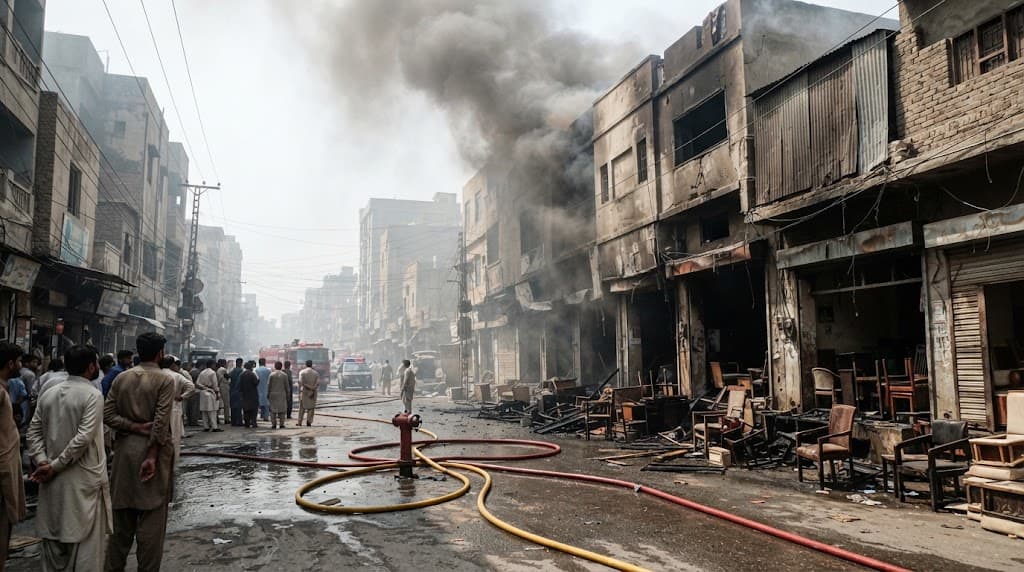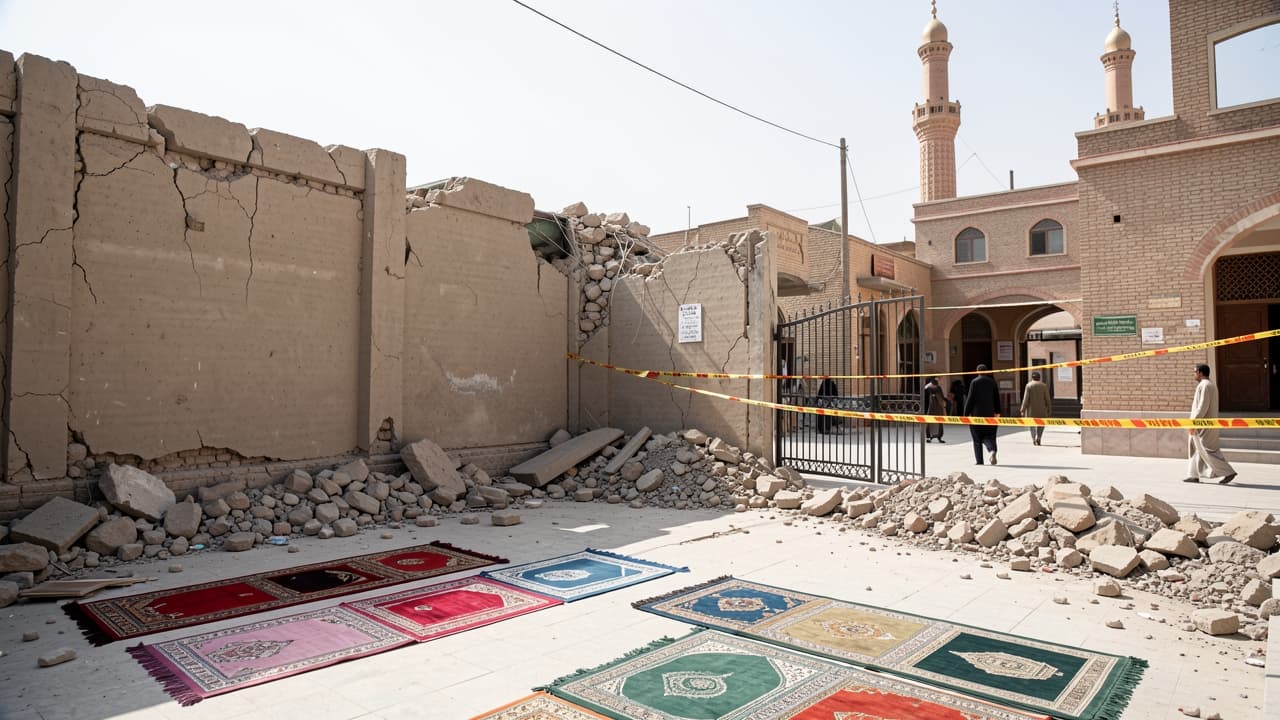
A Kohat attack during Friday prayers left 21 people dead, including 15 police officers, and 103 wounded after militants rammed an explosives-filled vehicle into the gate of the city’s old police lines and then stormed the compound. Police said seven armed attackers entered; officers and counter-terrorism personnel fought back and killed them. The blast damaged the mosque’s outer area, brought down a wall, and hurt nearby buildings while firing and further suicide explosions continued.
What the assault targeted
Officials described the strike as unusual in how many targets it hit at once: the mosque, police lines, worshippers, and the security force itself. The aim, as framed in official and security commentary, was not only to cause deaths but to shake state authority, public trust, and the everyday sense of safety. The Kohat attack details match a pattern of pressure already felt across Khyber Pakhtunkhwa, where militants have kept communities and police under strain.
Pakistan has for years told the international community that the TTP operates from Afghanistan against Pakistani targets. A recent United Nations monitoring report said the group had gained more freedom and support under Afghan authorities, and that attacks on Pakistan had risen as a result. At UN forums, Pakistan has also said TTP and other groups keep safe havens there for planning, training, and raids. Islamabad has repeatedly asked Kabul not to allow Afghan soil to be used against Pakistan. Qatar, Türkiye, Saudi Arabia and other partners have tried to ease the dispute, yet attacks have continued. The Afghan government rejects Pakistan’s accusations.
Wider fronts and strategic context
In June 2026, at a UN Security Council meeting, Pakistan’s representative said the TTP, the Balochistan Liberation Army (BLA) and other groups hold safe havens in Afghanistan and launch cross-border attacks. In a further Council session in September 2026, Pakistan again voiced deep concern over those groups’ presence and operations. Security commentary argues that treating the Kohat episode as only a local crime would miss that national-security frame.
On the same stretch of days, Balochistan remained unsettled. On 18 September, official sources said five militants were killed in Fateh Ali, Panjgur, and two in Dhader, Kachhi district, with weapons and ammunition recovered. Later operations against what Pakistan calls Fitna al-Hindustan reportedly killed 11 more militants. Pakistan has long alleged that some Baloch armed groups receive foreign patronage, including from India; New Delhi rejects those charges.
In February 2026, India and Israel formally elevated ties to a special strategic partnership covering defence, security, cyber security, artificial intelligence, emerging technology, space and related fields. Both governments describe the link openly. Pakistani security debate asks how that deeper defence and technology cooperation may reshape India’s overall capacity and Pakistan’s security environment, especially when Afghan-based groups, Indian activity in Afghanistan, and alleged external backing in Balochistan are viewed together. That does not prove a single hidden plot behind every raid; it does describe a denser set of risks for Pakistan.
Timeline: what has happened so far
- February 2026: India and Israel raise relations to a special strategic partnership in defence, security and advanced technology.
- June 2026: At the UN Security Council, Pakistan says TTP, BLA and other groups enjoy safe havens in Afghanistan and attack Pakistan from there.
- 18 September: Official sources report five militants killed in Fateh Ali, Panjgur, and two in Dhader, Kachhi, with arms recovered.
- September 2026: Pakistan again raises Afghan-based militant groups and cross-border operations at a UN Security Council meeting.
- Friday prayers, Kohat: An explosives-laden vehicle hits Sol Lines; militants enter; 21 killed (15 police), 103 injured; seven attackers killed.
Aasan alfaaz mein
Kohat mein Jumme ki namaz ke waqt police lines ke paas badi bomb blast aur firing hui. Ikkis (21) log shaheed hue, jin mein pandrah police wale the, aur ek sau teen zakhmi hue. Saat dehshat gard compound mein ghusay aur police ne unhein khatam kiya. Musalli aur police dono ke liye yeh seedha khatre ki baat hai, is liye ilaqai mehfooziat aur hushyari zaroori hai.