Pakistan has offered Saudi companies the chance to build commercial oil reserves in the country without local tax liabilities, under a tax-neutral bonded policy the Petroleum Division said was approved on Friday. Federal Minister for Petroleum Ali Pervaiz Malik shared the framework with Saudi Arabia’s newly appointed ambassador to Pakistan, Dr Rajeh bin Tami Al-Baqami, during a meeting in Islamabad on October 30, 2026.
The same meeting covered wider energy and mining cooperation. Separately, the ambassador announced that the Saudi Embassy in Islamabad has begun same-day processing of visa applications for Pakistani citizens, aimed at easing travel and supporting business, cultural and people-to-people links.
Tax-neutral storage modelled on global hubs
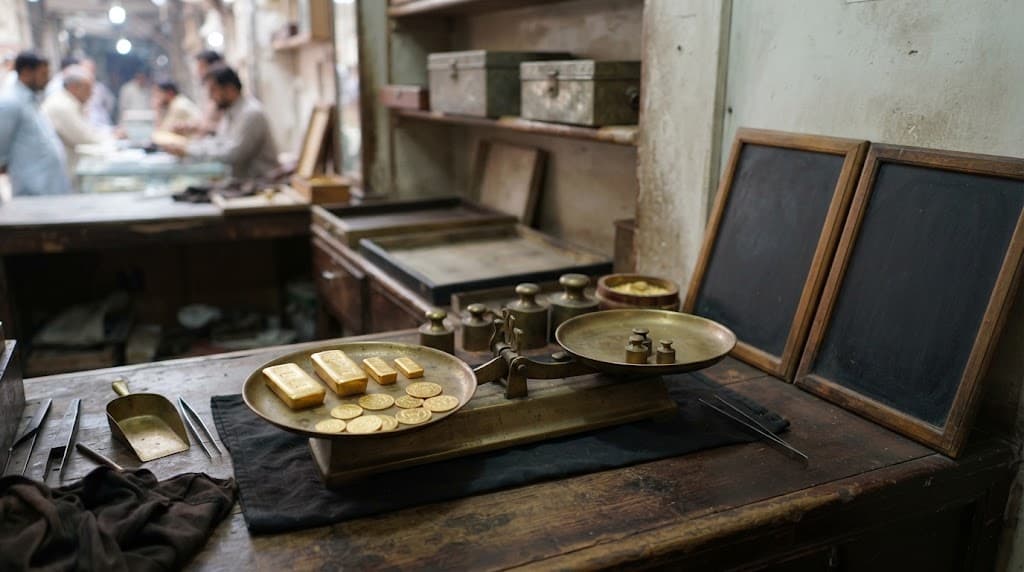
According to the official statement, the bonded policy is benchmarked against international energy hubs such as Fujairah and Singapore. Under it, Saudi firms can store oil in Pakistan without paying local taxes on those commercial reserves.
Officials framed the arrangement as a way for Saudi Arabia to diversify maritime transit risks tied to the Strait of Hormuz and Bab al-Mandab, while improving access to Asian markets. Storage on Pakistani soil, the minister said, would give the kingdom more flexibility in managing supply routes.
Pakistan currently has no strategic petroleum reserves and has faced supply shocks when oil flows through the Strait of Hormuz were disrupted during the US-Iran war. The government presents the new storage push as part of a longer effort to reduce that exposure.
Hub complex and wider energy talks
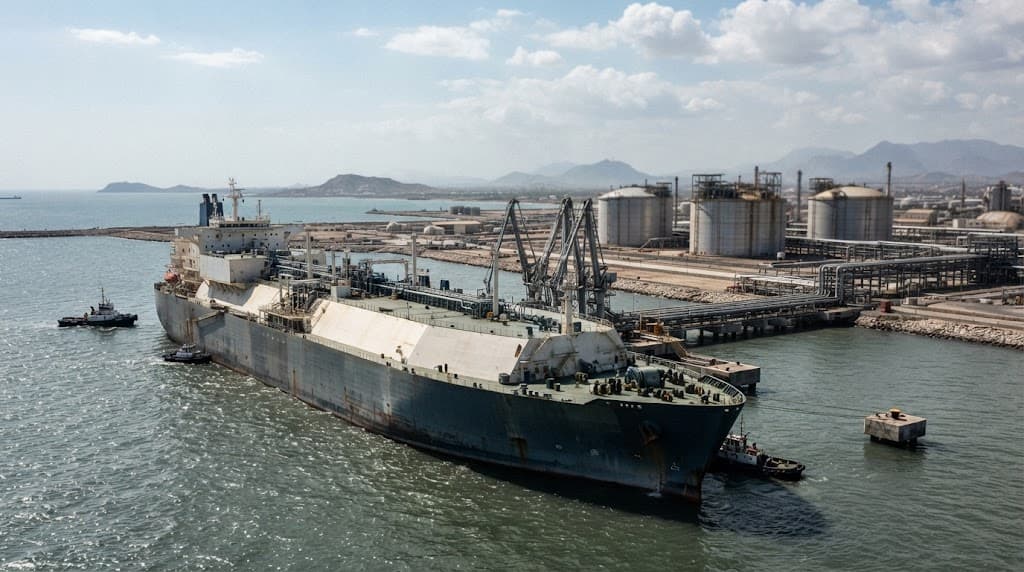
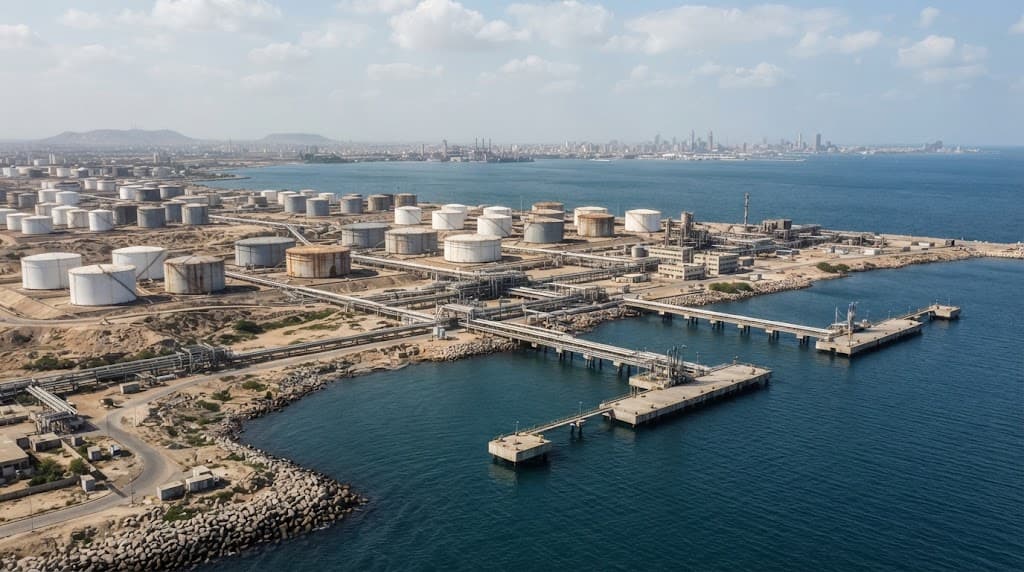
Malik also outlined plans for a major petroleum storage and refining complex at Hub in Balochistan, under the guidance of Technip Energies UK and with the prime minister’s backing. The site is intended to handle Very Large Crude Carriers and to strengthen Pakistan’s role as an energy transit and processing point.
The two sides discussed cooperation in mining, petroleum and energy more broadly, including strategic oil storage, refinery upgradation, LPG supplies and easier commercial engagement. The minister welcomed the longstanding partnership and said that, on a recent visit to Riyadh, he had conveyed to Prince Abdulaziz bin Salman Al Saud Pakistan’s solidarity with the Saudi people.
Timeline: what has happened so far
- July 2026: Prime Minister Shehbaz Sharif directed authorities to increase strategic petroleum reserves; a cabinet committee approved amendments to the oil refining policy.
- Recent Riyadh visit (date not specified beyond “recent”): Malik met Prince Abdulaziz bin Salman Al Saud and conveyed Pakistan’s sentiments of solidarity.
- October 30, 2026: In Islamabad, Malik and Ambassador Al-Baqami discuss tax-neutral bonded oil storage, the Hub storage-refining plan, mining and energy cooperation; the Saudi Embassy announces same-day visa processing for Pakistani citizens.
Aasan alfaaz mein
Pakistan ne Saudi companies ko oil store karne ki sahulat di hai, bina local tax ke. Hub, Balochistan mein bada storage aur refining complex banane ka plan hai. Saudi Embassy ab Pakistani citizens ke visas same din process kar rahi hai. Is se travel asaan ho sakti hai aur energy supply mein zyada stability ki umeed hai.