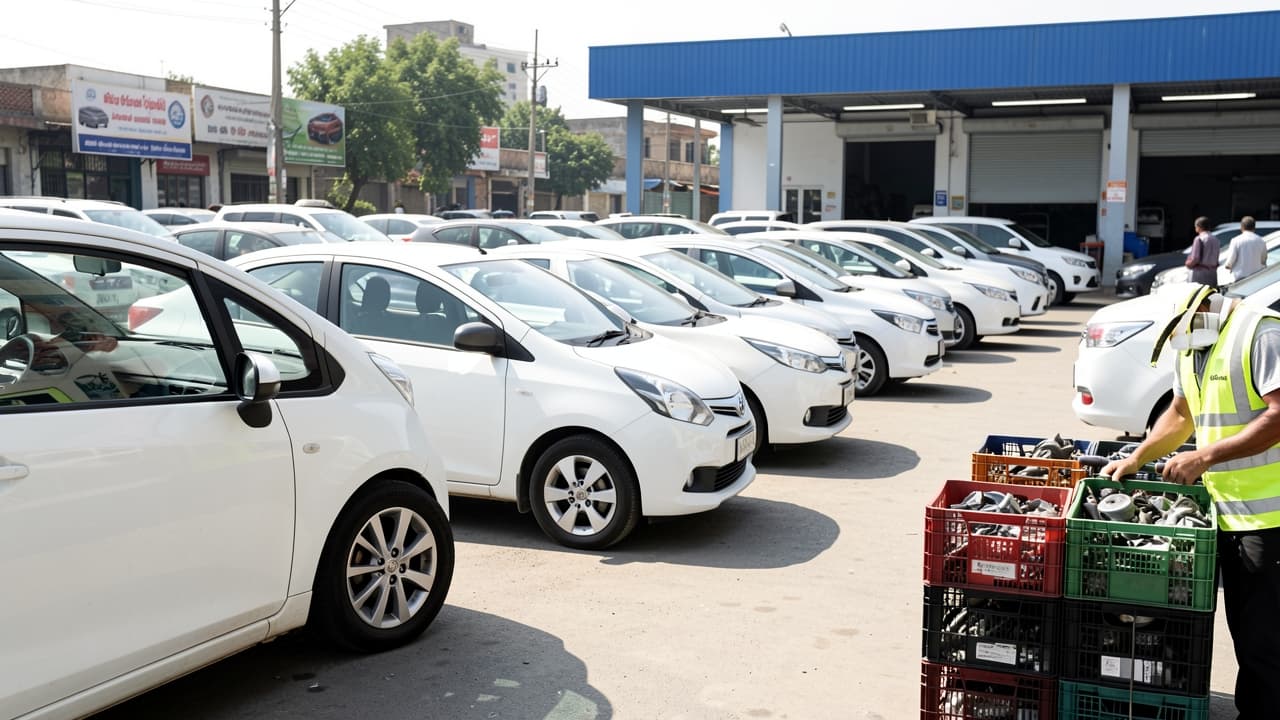
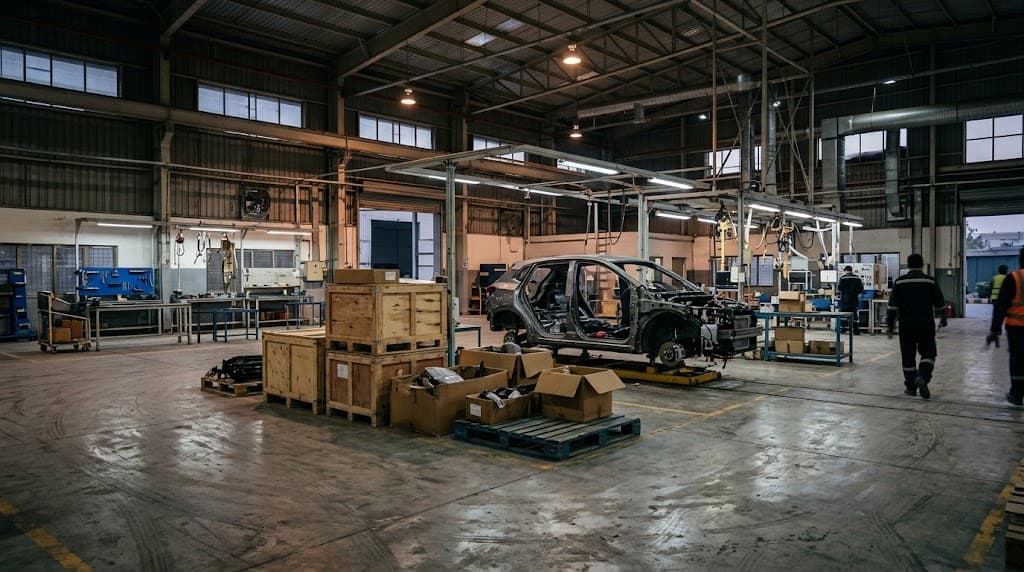
Pakistan's government has unveiled the final draft of a new auto policy aimed at gradually lowering vehicle prices, promoting electric vehicles and lifting automotive exports to $6 billion over five years. Federal Minister for Information and Broadcasting Attaullah Tarar and Haroon Akhtar Khan, the Prime Minister's Adviser on Industries and Production, presented the draft at a press conference in Islamabad on Saturday. The prime minister has approved it, and it will now go to the cabinet for consideration, so it is not yet in force.
What the policy sets out
Akhtar said the policy is meant to turn the auto sector into a competitive, export-oriented manufacturing industry. He said the government does not want the sector to depend on completely built-up units (CBUs), which are fully assembled imported vehicles, or to stop at assembling completely knocked-down (CKD) kits, which are imported in parts. The policy instead seeks higher local content, stronger domestic parts makers and more value kept inside the country through jobs and technology.
Tarar said that for decades Pakistan kept import duties on vehicles high to protect local industry, but the industry did not bring to ordinary buyers the innovation and features available elsewhere. He said the policy was prepared after consulting all stakeholders and studying models used in other countries. Tarar called the new auto policy comprehensive, and said Prime Minister Shehbaz Sharif had directed that facilities be created for the middle class in the auto sector.
Exports, safety and local industry
Akhtar said earlier policies over the past decade had not produced the growth in auto exports the country needed, so the new framework places export-oriented production at its centre. The government has set a five-year target of raising automotive exports from the existing $200 million to $6 billion. Manufacturers will be assigned export targets; those that meet them will receive a reward equal to five per cent of their export value in the first year, while those that fall short will face penalties.
On safety, the policy introduces 45 additional standards intended to bring locally made vehicles closer to international benchmarks. Akhtar linked road accidents to inadequate safety features, defective brakes, tyre failures and seat belts that do not work. Localisation and the growth of domestic auto-parts manufacturing are also among the policy's key priorities.
Electric vehicles and fuel costs
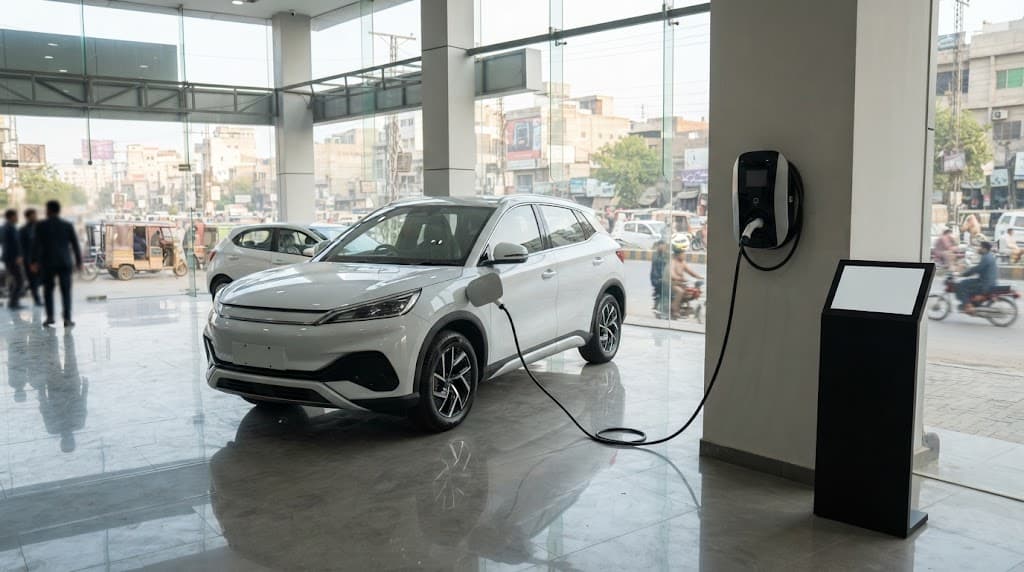
The new auto policy envisages special incentives and tax concessions for EVs, and Tarar said the government wants electric motorcycles and scooters to grow quickly. He noted that girls and women are increasingly using electric scooters to reach schools, colleges and offices. To encourage clean energy, people setting up charging stations have been exempted from customs duty, and sales tax on them has been reduced.
Tarar said the policy does not affect petrol-driven vehicles of up to 800cc used by ordinary citizens, which remain under existing facilities. He argued that cutting the oil import bill, whose burden ultimately falls on the poor, would free money for public facilities, infrastructure, health and education. He acknowledged that petroleum prices have fluctuated, but said they are now coming down and the fuel relief scheme is continuing.
Aasan alfaaz mein
Hukumat ne nayi auto policy ka final draft pesh kiya hai, jis ka maqsad gaariyon ki qeematon ko dheeray dheeray kam karna aur bijli se chalne wali gaariyon ko farogh dena hai. Yeh abhi cabinet ke saamne jayegi, is liye abhi lagu nahi hui. Petrol ki 800cc tak ki gaariyon par asar nahi hoga, aur charging stations banane walon ko customs duty mein chhoot di gayi hai. Aam aadmi ke liye iska matlab sasti aur behtar gaariyon ka waada hai, lekin qeemat aur waqt abhi tay nahi hue.