Pakistan's government has announced a new auto policy that its advisers say will lower prices for most vehicles, excluding luxury cars. Haroon Akhtar, the prime minister's adviser on industry and production, made the announcement at a joint press conference in Islamabad with Federal Minister for Information Attaullah Tarar. Akhtar also said the policy is still awaiting approval from the International Monetary Fund (IMF), the international lender with which Pakistan has a programme.
What the policy includes
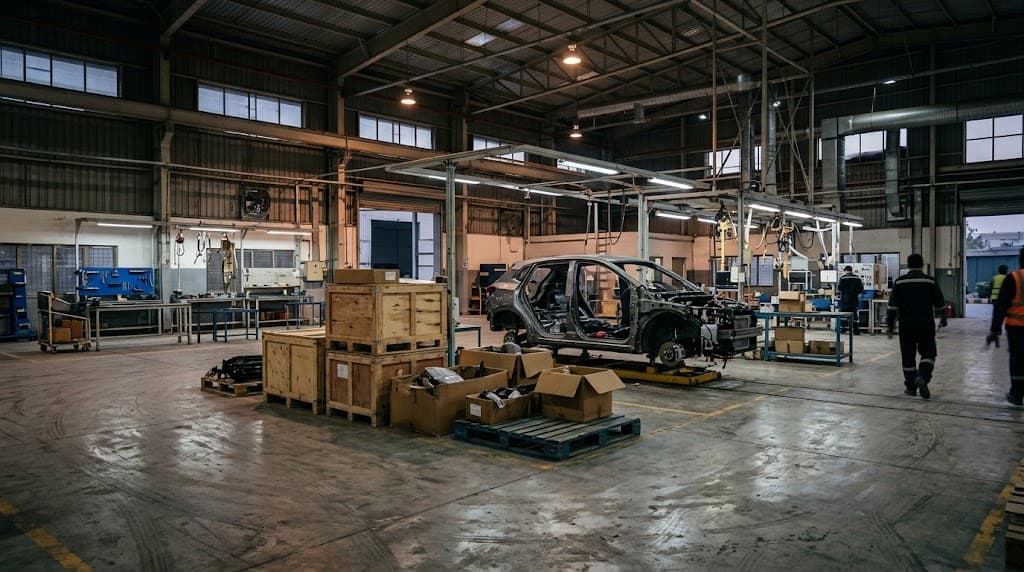
Akhtar said the policy focuses on localisation, meaning vehicles and parts made inside Pakistan. Manufacturers will be given export targets, and exporters will receive a reward of 5% of export value in the first year. Companies that fail to meet their export targets will face a fine. The policy sets a target of 6 billion in exports over five years and adds 45 extra safety standards, and auto parts makers will be given a chance to export.
Tarar said that despite high import duties on vehicles over several decades, local manufacturers have not offered consumers modern features or better cars. He said the prime minister has directed that the industry make it easier for the middle class to buy vehicles. Tarar also said the policy would significantly reduce imported petroleum and cut pollution, since electric vehicles produce less carbon in the air.
Electric vehicles and taxes
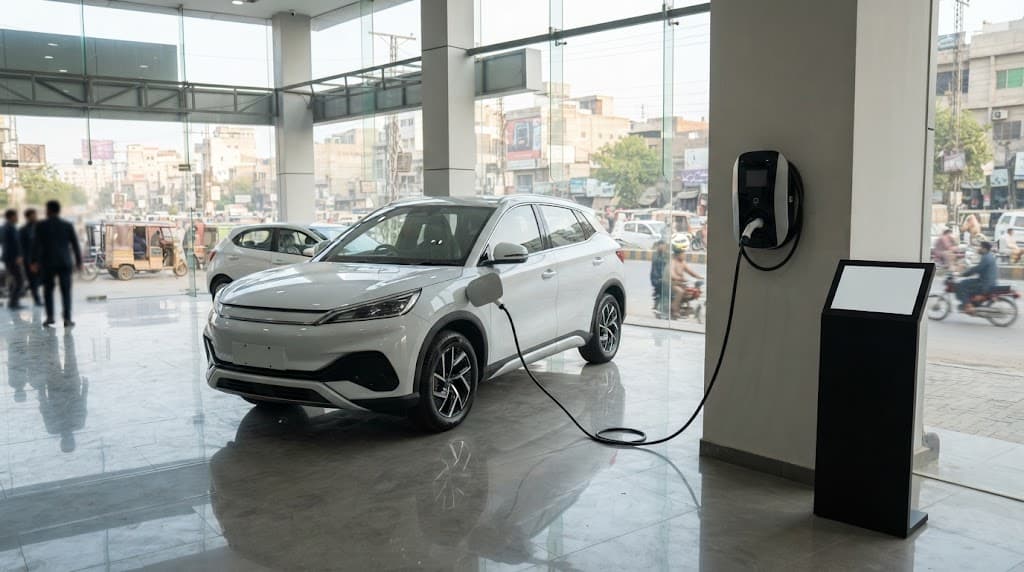
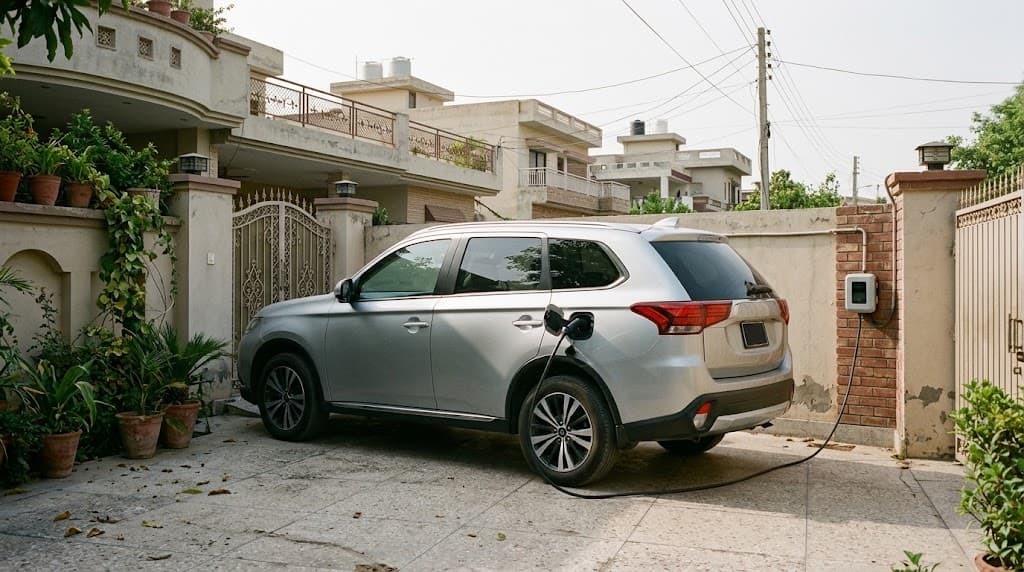
Akhtar said electric vehicles receive special attention in the policy. Sales tax on EVs will be 1%, rising to 6% for range-extended models and 9% for plug-in hybrids. Sales tax on machinery for charging stations will be 1% and customs duty on it will be zero, while large vehicles with commercial engines will attract extra duty. Tarar said there is no customs duty on charging stations and that sales tax has also been reduced.
Tarar said the policy makes no change to petrol cars up to 1000cc. Akhtar added that the promotion of electric motorcycles is growing. Until IMF approval is given, the policy's effect on prices remains pending.
LPG auction framework
In a separate step, the government has started practical measures for a transparent auction and fair distribution of liquefied petroleum gas (LPG), a fuel used in homes and vehicles. Under the new system, 10% of local LPG output goes to state marketing companies, and the remaining 90% will be sold to private marketing companies through an auction held in the presence of media. Each company may buy up to 20 metric tonnes of LPG a day, and all eligible companies will get equal opportunities.
The committee set up for the auction held its first meeting under the chairmanship of the Secretary Petroleum. It decided that daily LPG production will be monitored and figures presented to the prime minister. Federal Minister for Petroleum Ali Pervaiz Malik said that addressing public concern over availability and unfair prices is a government priority. The federal cabinet had approved the auction framework on 4 November 2026.
Aasan alfaaz mein
Hukumat ne nayi auto policy ka elaan kiya hai, jis ke mutabiq luxury gaariyon ke ilawa baqi gaariyan sasti hone ki umeed hai. Electric gaariyon par sales tax kam rakha gaya hai, lekin 1000cc tak petrol gaariyon mein koi tabdeeli nahi hui. Yeh policy abhi IMF ki manzoori ka intezar kar rahi hai. LPG ki shaffaf nilami ka naya nizam bhi aaya hai jo dastyabi aur munasib qeemat ke liye hai.