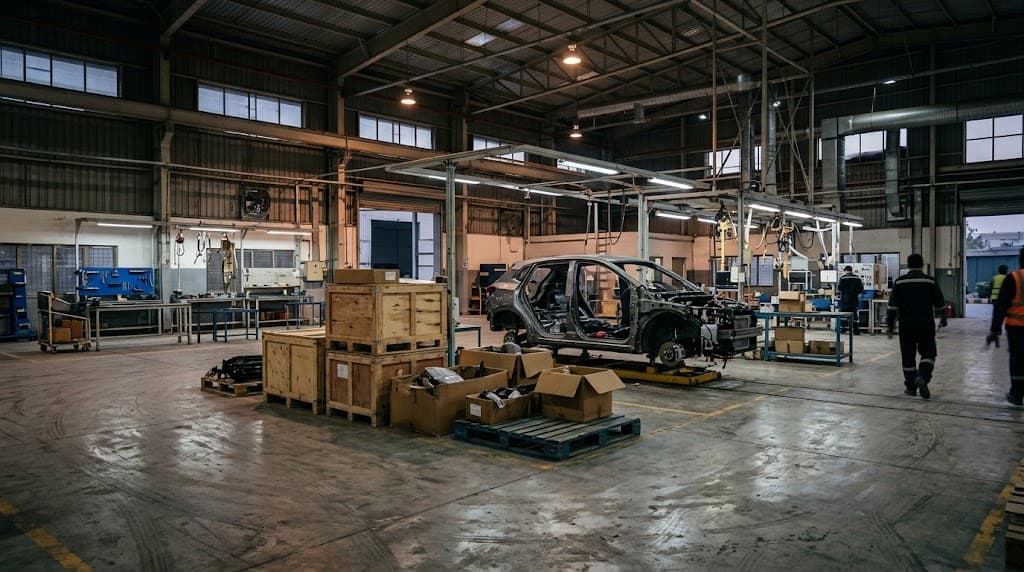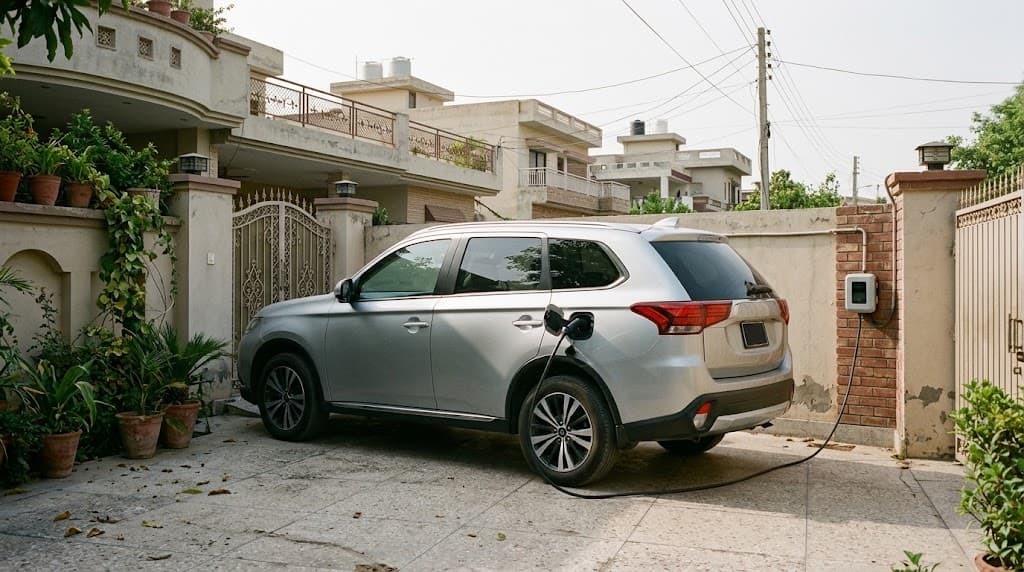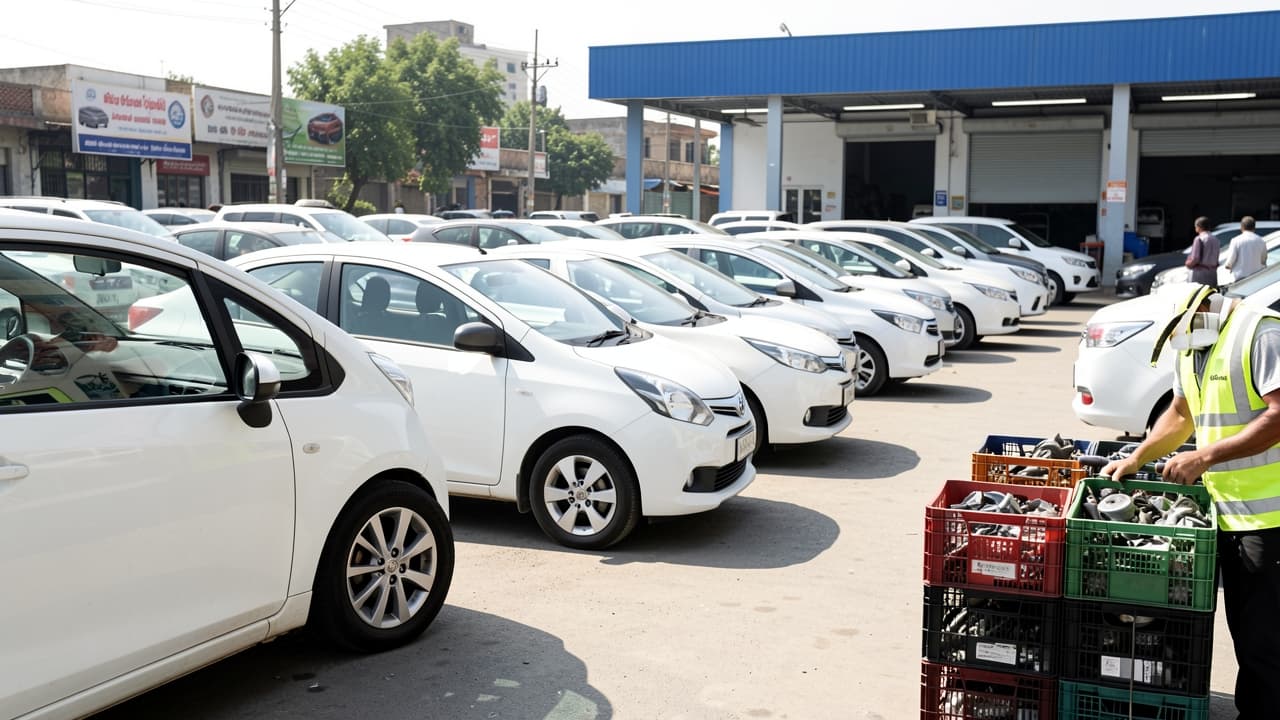
Pakistan's government has proposed a draft Auto Policy 2026-31 that aims to connect local carmakers and parts makers with global supply chains, expand exports and cut import tariffs. The stated goal is to make smaller vehicles more affordable for ordinary buyers. The proposals remain subject to the government's final decisions.
Exports and local production
The draft describes the auto sector as a major source of employment, saying it supports around 2.5 million direct and indirect jobs. It also says the sector contributes about 4.5 percent of large-scale manufacturing and generates more than Rs. 784 billion in annual taxes. More than 2,200 auto parts manufacturers operate in the country, according to the draft.
Auto exports were worth $190 million in fiscal year 2025-26, the draft notes. Pakistan's fiscal year runs from July to June. The government now wants to expand overseas sales through mandatory export targets and performance-based support, moving away from heavy tariff protection. The draft also treats local value addition, meaning the share of a vehicle's parts made at home, as a priority, and it identifies low local content as a key challenge.
Tariff cuts and tax changes
The draft proposes bringing the overall weighted average tariff, a blended rate across goods, below 6 percent by 2030. It also proposes gradually eliminating Statutory Regulatory Orders, which are government notifications that set duties, and removing automobile tariffs from the Fifth Schedule of the Customs Act, 1969.
For cleaner cars, the draft offers electric vehicles a lower general sales tax rate and says they may also receive exemptions from other duties and taxes. Conventional vehicles with larger engine capacities would face an Auto Development Levy, a charge the draft proposes on them.
Safety rules and import oversight
On safety, the draft proposes adopting 45 additional WP.29 vehicle regulations by 2029. WP.29 is the United Nations forum that sets global vehicle safety rules. The government would also create a legal framework to enforce them, which the draft says would help locally made vehicles meet international benchmarks.
The draft also calls for an external audit of all import permits issued by the Engineering Development Board (EDB), the body that issues them, along with full digitalisation of its internal systems to cut red tape. A steering committee headed by the Minister for Industries and Production would oversee implementation. Because the policy is still a draft, no tariff rate or vehicle price has changed yet.
Aasan alfaaz mein
Sarkar ne Auto Policy 2026-31 ka masauda pesh kiya hai, jis mein gaariyon par tariff kam karne aur exports barhane ka plan hai. Maqsad chhoti gaariyon ko sasti karna hai, lekin yeh abhi tajweez hai aur hatmi faislay baaki hain. Electric gaariyon par sales tax kam ho sakta hai, jabke bari engine wali gaariyon par development levy lagne ki tajweez hai. Abhi qeematon mein koi tabdeeli nahin hui, is liye khareedar intezar karein.