The International Monetary Fund is pressing Islamabad for IMF tax reform that would pull retailers, farmers and self-employed professionals deeper into the revenue net after another weak month of collections. People briefed on the talks say the lender has floated standby fiscal steps if intake goals under the $7 billion programme keep slipping.
Those briefings put October alone Rs129 billion below plan. Across the first four months of the fiscal year the cumulative hole stands at Rs96 billion. The Fund wants the government to still deliver the full-year haul of Rs15,264 billion and to raise the tax-to-GDP ratio, arguing that present receipts are not enough.
Where the pressure is focused
Federal Board of Revenue officials caution that if the shortfall widens further, policymakers may have to choose between fresh levies and cutting public outlays. Revenue conditions are expected to harden in upcoming programme reviews, with emergency steps discussed whenever targets are missed.
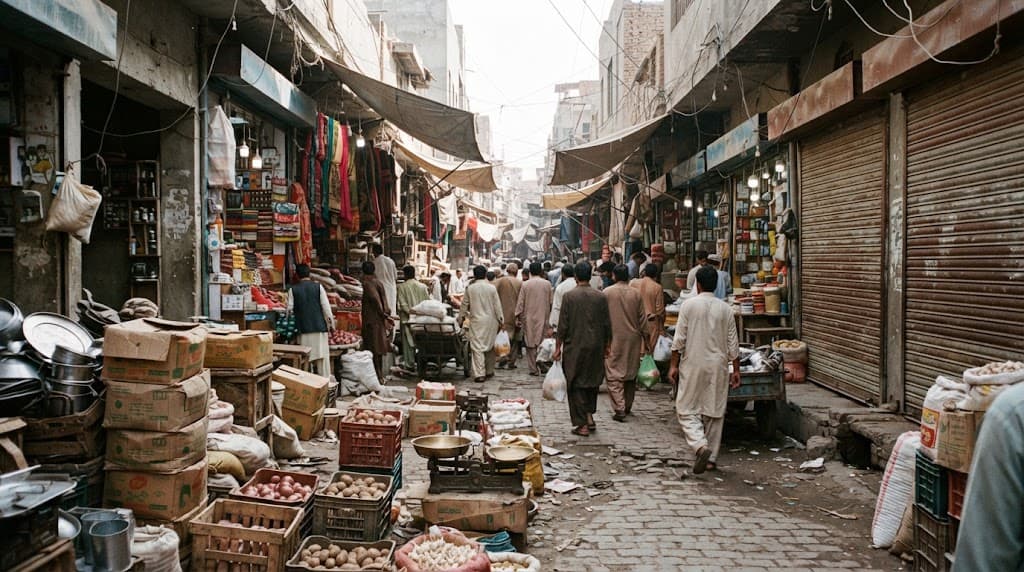
The Fund is also seeking a stronger General Sales Tax (the main value-added levy) take at both federal and provincial levels. It may firm up revenue benchmarks for the next fiscal year and has urged clearer gains from shops, wholesalers and farms before the new budget is tabled. Self-employed occupations that still sit outside the register should be brought in as well, according to the same briefings. Meeting the terms of the $7 billion arrangement, sources added, is mandatory.
Shop registration and parliament
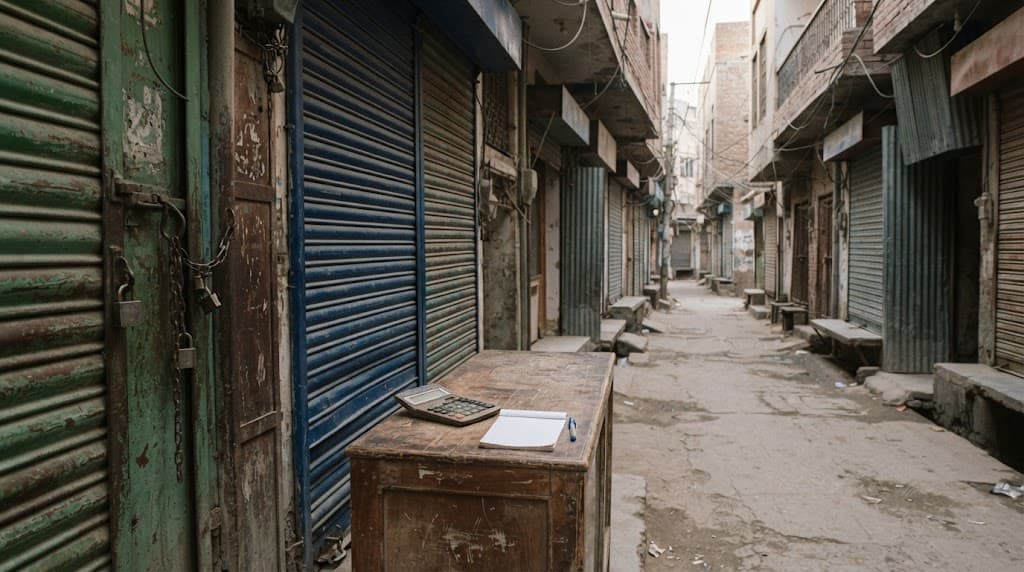
Separately, minister of state for finance Bilal Azhar Kiani told the National Assembly Standing Committee on Finance that the government will pursue legal action and fines against shopkeepers who have not enrolled in the Easy Tax Scheme, because sign-ups remain far below hopes. He said an enforcement plan would be shared within a few days.
Committee chairman Naveed Qamar questioned the pace of the drive, noting that the government had expected about 80 percent of shopkeepers to register. The panel also put off the Companies Amendment Bill after Qamar raised worries about misuse of the Export Facilitation Scheme and the absence of the FBR chairman for a briefing.
Timeline: what has happened so far
- October: The IMF flagged a Rs129 billion revenue shortfall for the month.
- First four months of the fiscal year: The cumulative collection gap reached Rs96 billion against plan.
- Recent finance committee hearing: Easy Tax Scheme enrolments lagged the 80 percent shopkeeper target; enforcement steps were promised within days.
- Programme track: Compliance with the $7 billion loan terms remains mandatory, with stricter revenue conditions expected in coming reviews.
What comes next
If monthly intake does not recover, IMF tax reform pressure is likely to show up as harder choices for the cabinet: broaden the base among traders, growers and professionals, lift sales-tax collection, or trim spending. The near-term signal for the high street is the Easy Tax Scheme crackdown promised by the finance ministry’s state minister.
Aasan alfaaz mein
IMF Pakistan se keh raha hai ke dukandaar, kisan aur professionals se zyada revenue liya jaye. October mein collection plan se Rs129 arab kam raha, aur pehle char mahine ka gap Rs96 arab hai. Agar saalana target na mila to emergency taxes ya kharchon mein kami ka faisla ho sakta hai. Jo shopkeepers Easy Tax Scheme mein register nahi hue, un par jurmana aur qanuni karwai ho sakti hai.