Pakistan’s federal government will proceed with a PASSCO shutdown even though the state wheat procurement and storage corporation earned a Rs6.02 billion profit in financial year 2025-26. Minister for National Food Security and Research Rana Tanveer Hussain told the National Assembly that the Economic Coordination Committee (ECC), the cabinet body that clears major economic measures, approved the wind-up plan on 9 December 2025, and the federal cabinet endorsed it on 23 December 2025.
Why the government is closing PASSCO
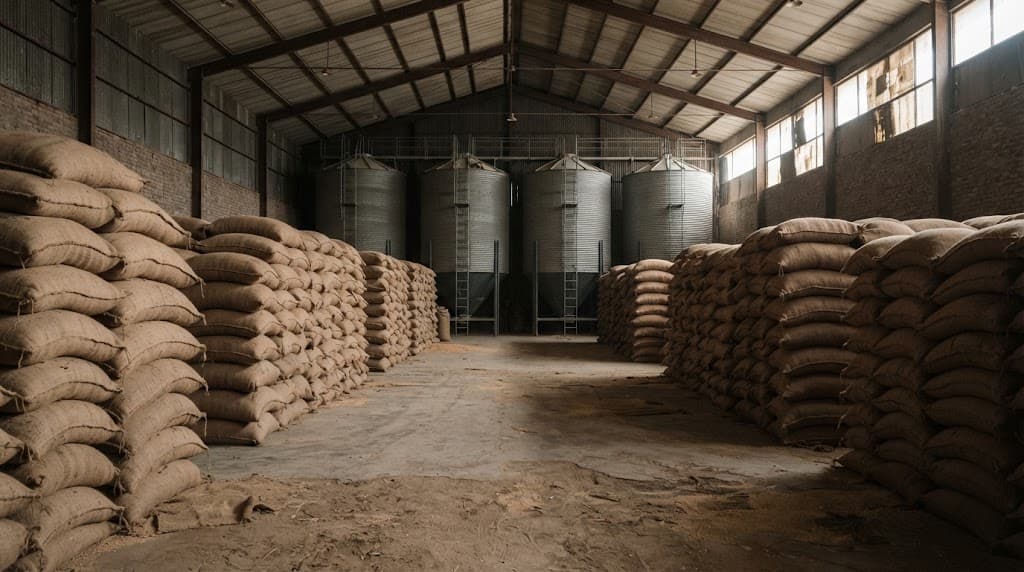
Hussain framed the decision as part of wider agricultural reforms. He said the aim is to reduce the public cost of buying and storing wheat and to open more space for private firms in those tasks. PASSCO has long handled government-directed procurement and storage, held strategic grain reserves, and supplied wheat during emergencies—roles that, he said, shaped its financial results alongside financing costs set by government policy.
The minister’s account presents the PASSCO closure decision as a policy choice about how the state manages wheat, not as a response to a continuous run of losses. That distinction matters because the corporation’s recent books show both deep shortfalls and a rebound into profit.
PASSCO profit status over the past decade
According to the figures shared in the Assembly, PASSCO was in profit in eight of the ten financial years from 2016-17 to 2025-26. The two loss-making years were 2023-24, when the deficit was Rs862.48 million, and 2024-25, when losses jumped to Rs20.48 billion. In 2025-26 the corporation swung back to a Rs6.02 billion surplus.
Hussain attributed the uneven results to the cost of mandated procurement, storage and financing, and to the burden of keeping strategic stocks and releasing wheat when crises hit. Those explanations place the PASSCO profit status in the context of public duties rather than ordinary commercial trading alone.
What replaces strategic reserves
Officials plan a new arrangement for strategic wheat reserves after the wind-up. The structure of that system, how it will be financed, and when it will start have not been made public. The government also intends to bring in wheat through the Trading Corporation of Pakistan (TCP)—the state’s trading arm—when shortages are formally confirmed.
Until those details appear, farmers, millers and households know that PASSCO’s existing procurement-and-storage model is to be retired, but not precisely who will hold buffer stocks, on what terms, or on what schedule. That gap leaves the next phase of wheat policy still incomplete even after the cabinet’s December clearance.
Timeline: what has happened so far
- 2016-17 to 2025-26: PASSCO recorded profits in eight of these ten financial years.
- 2023-24: The corporation posted a loss of Rs862.48 million.
- 2024-25: Losses widened to Rs20.48 billion.
- 9 December 2025: The Economic Coordination Committee approved the plan to wind up PASSCO.
- 23 December 2025: The federal cabinet approved the wind-up.
- 2025-26: PASSCO reported a Rs6.02 billion profit; the food minister later confirmed the shutdown decision in the National Assembly.
Aasan alfaaz mein
Sarkar ne PASSCO band karne ka faisla kar liya hai. Corporation ne 2025-26 mein 6.02 arab rupay ka faida kamaya, lekin phir bhi ise khatam kiya ja raha hai. Wazir ke mutabiq yeh faisla gehun khareedne aur store karne ka sarkari kharcha kam karne aur private sector ko zyada jagah dene ke liye hai. Naya reserve system abhi clear nahi, is liye aane wale mahine gehun ki policy ke details dekhne hon ge.