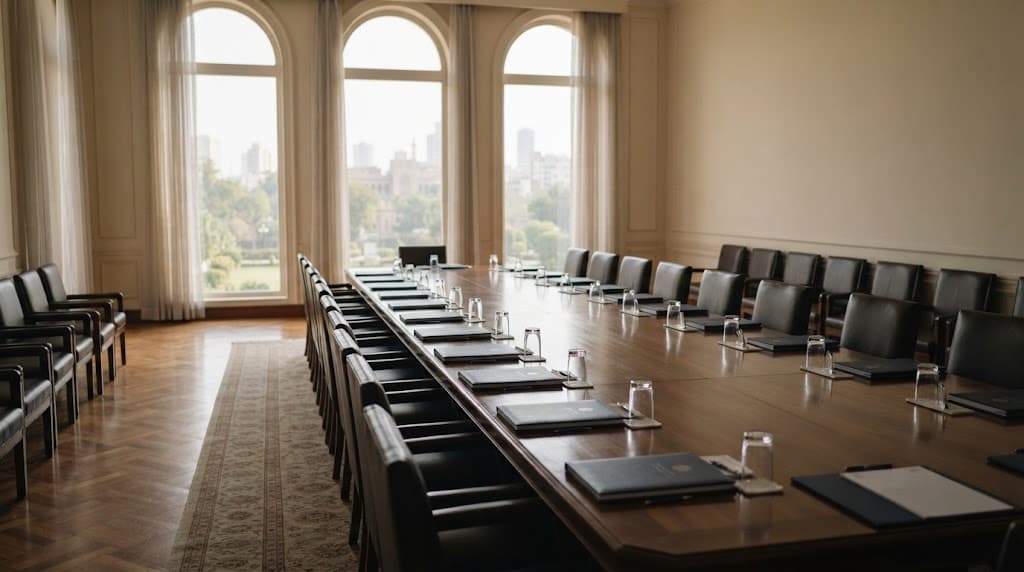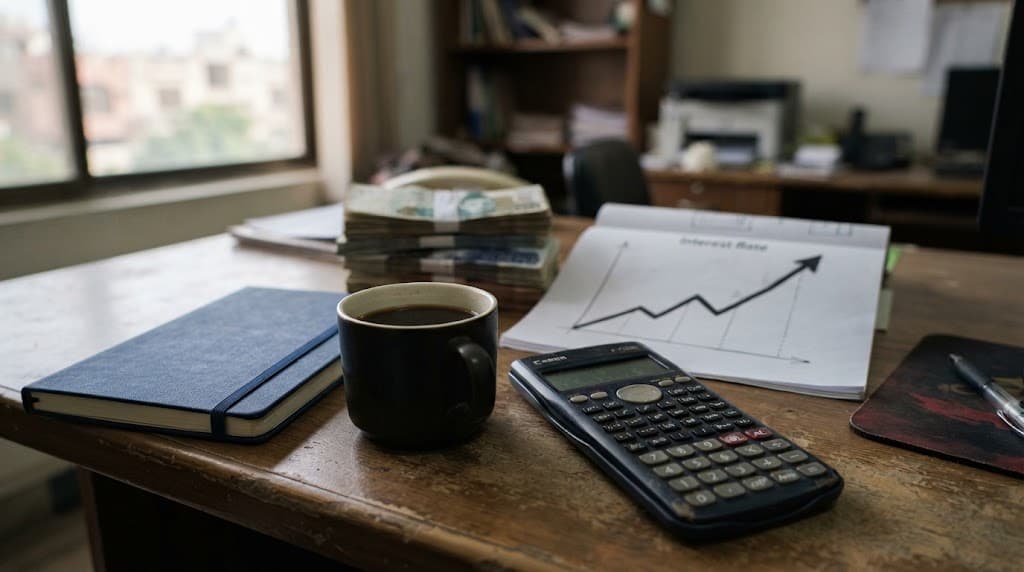
The State Bank of Pakistan (SBP), the country’s central bank, has raised its SBP policy rate by 50 basis points to 12%, a move economists link to rising inflation and fresh pressure from energy and food prices.
September inflation reached 10.3%. Analysts say the Monetary Policy Committee acted after months in which the rate had been left unchanged even as headline inflation moved into double digits and global oil prices climbed again.
Why the central bank tightened
Dr Abid Qaiyum Suleri of the Sustainable Development Policy Institute (SDPI) said the increase reflected concern that temporary supply shocks in energy and food could harden into lasting inflation. He expects energy prices to stay high in the near term amid fears of further US–Israeli strikes on Iran after the US midterm elections and possible Iranian retaliation against neighbouring Gulf states.
In that setting, he sees little room for rate cuts soon. Monetary easing would become more likely only if energy prices stabilise and inflation falls in a sustained way. The SBP has projected economic growth of 3.5–4.5% for fiscal year 2027, but he warned that prolonged high borrowing costs could hold back recovery.
SDPI’s Dr Sajid Amin Javed said the 50-basis-point step had been widely expected. Double-digit inflation, a fresh surge in global oil prices and fears of a prolonged US–Iran conflict had darkened Pakistan’s inflation and growth outlook. The SBP had held the rate steady since April 2026, hoping oil would settle; renewed oil gains and escalation fears changed that assessment.
Javed called the hike a cautious signal of commitment to price stability. Higher interest rates may not directly cool supply-side inflation, he said, but they send a clear message to markets. If conflict fears and elevated oil persist, he warned, the SBP could make a series of gradual increases over the next three to four months—slowing an already soft economy, though not returning the rate to its previous peak. He projects average headline inflation of 11–13% in fiscal year 2026-27, above earlier expectations, and growth that could slip below 3.5%.
Supply-side inflation and the growth trade-off
Dr Nasir Iqbal of the Pakistan Institute of Development Economics (PIDE) argued that holding the rate at 11.5% would have been a more balanced response. Citing PIDE’s Monetary Policy Assessment for October 2026, he said price pressures stem largely from supply constraints—energy, food and external shocks—rather than excess domestic demand.
Tighter money raises borrowing costs for firms, discourages private investment and increases the government’s debt-servicing burden, he said, without fixing those underlying drivers. With September inflation at 10.3% and growth still modest, further tightening risks squeezing businesses while leaving supply-side inflation largely untouched. He urged the SBP to avoid more hikes unless there is clear evidence that inflation has become broad-based and persistent.
Timeline: what has happened so far
- April 2026: The SBP kept the policy rate unchanged despite rising headline inflation, expecting global oil prices to settle.
- September 2026: Inflation reached 10.3%.
- October 2026: PIDE published its Monetary Policy Assessment; the SBP raised the policy rate by 50 basis points to 12%.
- Next three to four months: Economists say further gradual increases remain possible if oil stays elevated and conflict fears persist.
What happens next
The three assessments point to a narrow path for policymakers. Persistent inflation and uncertainty over global energy prices could keep the SBP policy rate elevated, while the cost of credit may restrain investment and jobs. Suleri sees limited scope for cuts without a lasting drop in inflation; Javed flags the risk of more gradual hikes; Iqbal warns that extra tightening may deepen economic costs without resolving supply shocks. Much depends on whether geopolitical tensions ease and energy prices cool enough for inflation to ease.
Aasan alfaaz mein
State Bank ne interest rate 50 basis points barha kar 12% kar diya hai. September mein mehngai 10.3% thi, aur oil aur khane ki qeematon ka dabao bari wajah batai ja rahi hai. Agar petrol-diesel mehnga rehta hai to aage kuch mahine rate aur barh sakte hain. Iska matlab loans aur business ke liye qarz mehnga ho sakta hai, jo jobs aur growth par asar dal sakta hai.