Supreme Court draws a clear line on off-duty behaviour
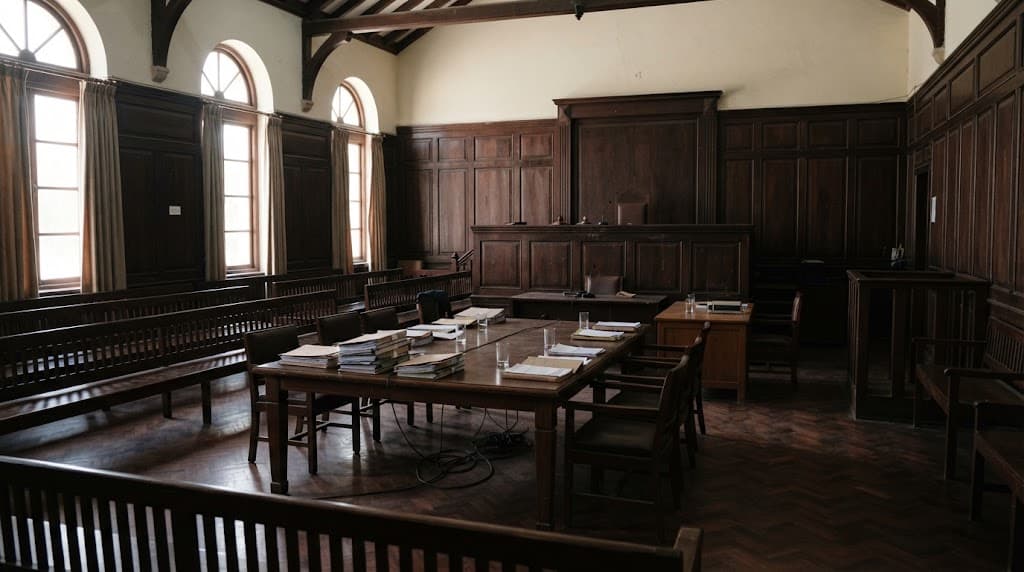
ISLAMABAD: Pakistan’s Supreme Court has held that public servant conduct rules are not limited to office hours, ruling that serious behaviour away from work can still amount to misconduct. A two-member bench headed by Justice Ayesha Malik, with Justice Shahid Waheed, rejected a plea by Jawad Abbasi, a former Intelligence Bureau (IB) cook, against his compulsory retirement over allegations that he set his wife on fire.
Justice Waheed authored the nine-page judgment. The court said respect for women is a legal obligation for those in state service, not a private virtue that a civil servant may practise or ignore at will. It also affirmed that an acquittal in a criminal case does not undo misconduct that has been independently established in departmental proceedings.
What the departmental and tribunal record showed
Abbasi faced action under the Civil Servants (Efficiency and Discipline) Rules, 2020—service rules that govern efficiency and discipline for federal civil servants. The allegations included setting his wife on fire, ill manners and a short temper. He was also accused of conduct described as criminal, unprofessional and harmful to good order and service discipline, and of damaging the IB’s reputation and discipline.
Departmental proceedings found the charges established. By an order dated June 14, 2024, he was compulsorily retired. His departmental appeal failed, and the Federal Service Tribunal (FST)—the tribunal that hears federal service disputes—upheld the retirement in a decision dated January 15. Abbasi then approached the Supreme Court against that FST outcome. A lower court had, however, acquitted him in the related criminal matter.
Before the apex court, counsel Aftab Alam Yasir argued that the dispute was private and domestic, had no link to official duties, and that behaviour outside the workplace and office hours could not be misconduct under the civil servants’ rules. He also pointed to the criminal acquittal, said the wife had attempted suicide, and called the rejection of Abbasi’s plea after the departmental inquiry “erroneous.”
What the judgment said about trust and dignity
The bench stressed that a woman’s dignity—whether as a wife, sister, daughter, mother or fellow citizen—is a fundamental value protected by the Constitution. “Respect for that dignity is not merely a matter of personal morality; it is an obligation that the state is entitled to expect from every person in its service,” the judgment said.
It added that public service is a trust, and that “the conduct of those who hold it is a matter of public concern, at home as much as at work.” Public servant conduct rules, the court explained, do not judge a civil servant only by how official duties are performed. Character, integrity and private-life conduct may matter where they affect suitability for public office, service discipline or public confidence in the institution. A civil servant who denied that respect to his own wife, the court said, forfeited the trust on which the office depended.
Timeline: what has happened so far
- June 14, 2024: After departmental findings, Abbasi is penalised with compulsory retirement from the IB.
- After the retirement order: His departmental appeal is rejected.
- January 15: The Federal Service Tribunal upholds the compulsory retirement.
- Criminal proceedings: A lower court acquits him in the criminal case (date not specified in the available record).
- Tuesday: The Supreme Court dismisses his plea against the FST decision and affirms that grave off-duty conduct can be misconduct.
Aasan alfaaz mein
Supreme Court ne kaha hai ke sarkari mulazim ka ghar ka bartao bhi mamla-e-aam ho sakta hai. Intelligence Bureau ke ek cook ko alleged wife-burning case mein compulsory retirement di gayi thi; unki appeal kharij ho gayi. Court ne clear kiya ke auraton ka ehtiram private choice nahi, service ki zimmedari hai. Matlab yeh ke sarkari naukri rakhne walon se kaam ke bahar bhi sanjeeda akhlaq ki umeed ki ja sakti hai.