What happened in Tehran
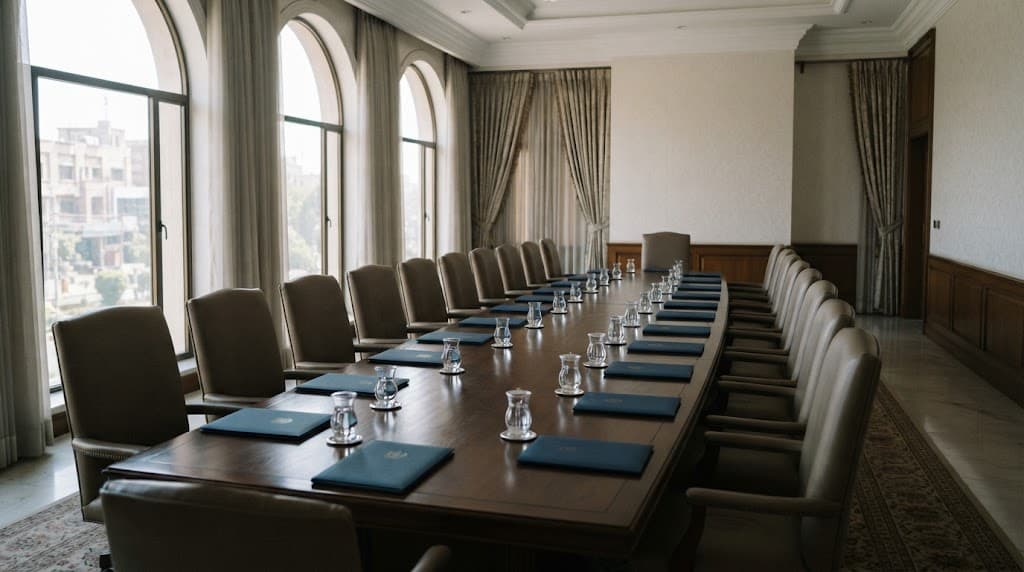
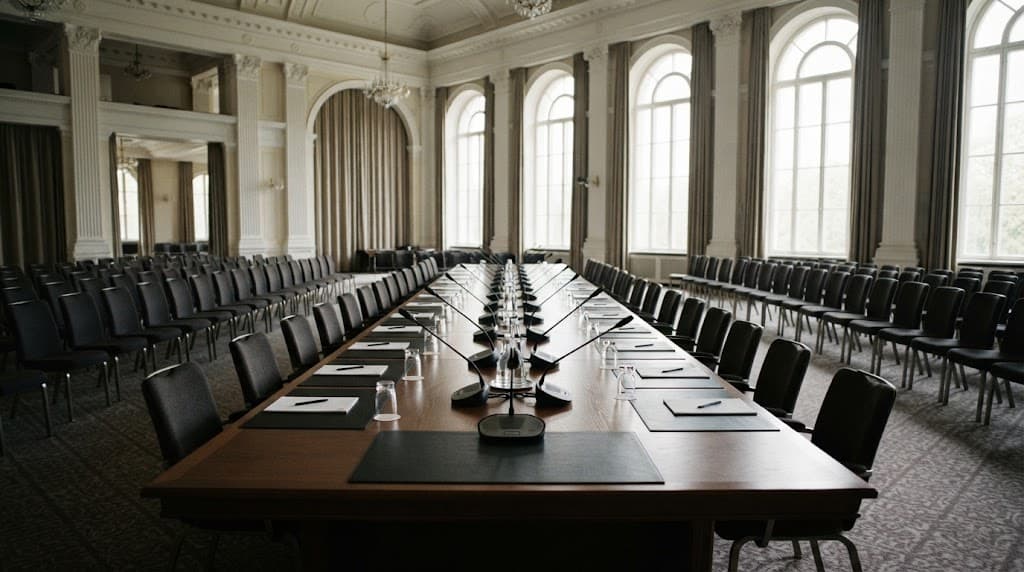
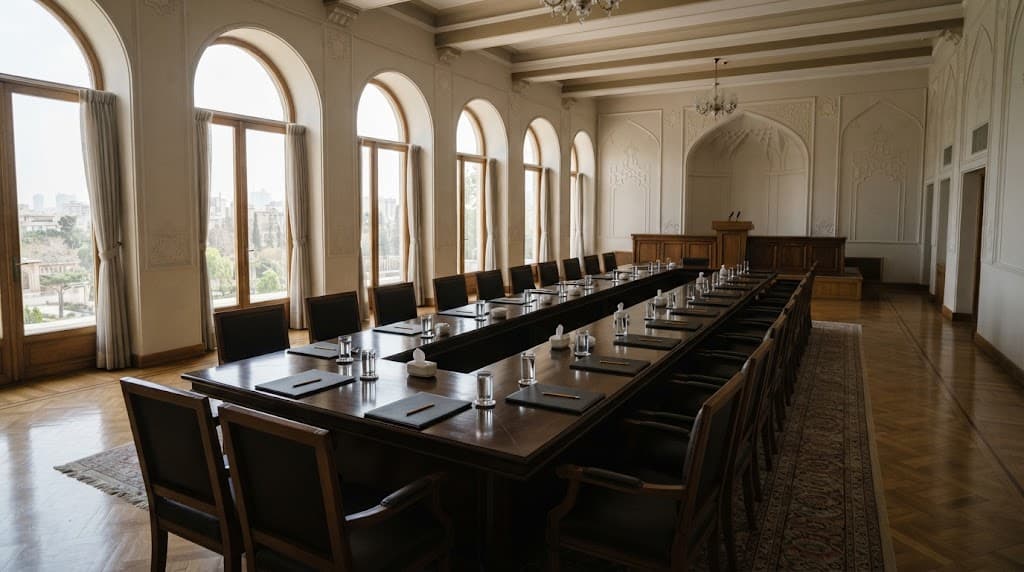
Field Marshal Asim Munir arrived in Tehran on 26 October with a written proposal that a senior Pakistani security official said carried Donald Trump’s blessing. He presented it at the first joint sitting of Iran, Saudi Arabia, Turkey and Pakistan. The session finished without a ceasefire, and no government has released the text Munir put forward.
The same Pakistani official said the aim was “a regional mechanism to prevent military attacks between countries,” and that Mecca defence-pact members, together with Qatar, could guarantee any deal if Iran accepted. Another description from Islamabad’s security side spoke of stopping armed clashes, settling open disputes and ordering concessions in sequence. Reporting does not make clear whether that fuller sketch matches the paper tabled on 26 October or Pakistan’s broader mediation line.
What the proposal is said to offer
Because the document itself remains secret, readers only know the shape suggested by officials. A guarantee led by Saudi Arabia, Turkey, Pakistan and Qatar would place regional capitals, not US troops, between Iran and any new strike. That framing sits close to language Iran’s foreign minister, Abbas Araghchi, used on 25 October, when he argued that regional security should be handled by regional states and should not depend on foreign forces.
The blessing phrase came from Pakistan’s side, not from a White House statement. It signals Washington was aware of the initiative without proving who drafted it. In practice, Islamabad may have been carrying its own plan with a US nod, or ferrying language shaped elsewhere—public evidence does not settle which.
Reactions and conflicting claims
The four governments said they “agreed to continue the dialogue to strengthen cooperation.” They set no next date or venue and announced no halt to fighting. Saudi Arabia’s foreign ministry had framed the trip as a push for dialogue and diplomacy and for keeping channels open “to prevent a return to military escalation.” Official Rayed Krimly called the goal de-escalation.
Mohsen Rezaei, secretary of Iran’s Supreme National Security Council, called the talks “very good” and spoke of “a positive atmosphere in the region,” while saying US “threats have little impact on countries around the world.” His public remarks praised the meeting’s tone, not Munir’s paper. He later briefed Supreme Leader Mojtaba Khamenei; what was said, and any reply, was not disclosed. On 27 October the Saudi cabinet reviewed the outcome.
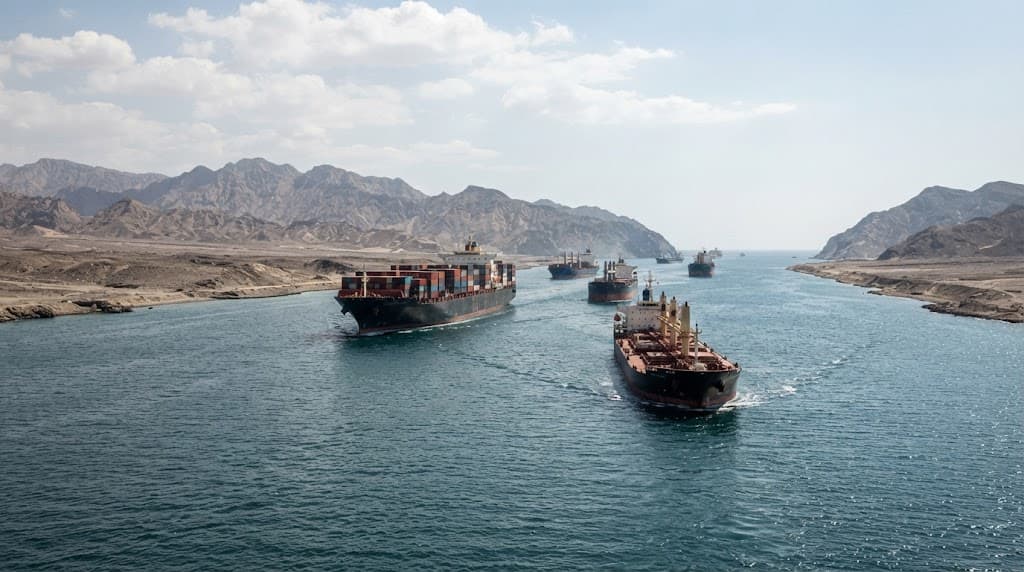
Separately, Iranian voices clash on Hormuz diplomacy. An IRGC-linked outlet around 25 October denied that Tehran had sent any Hormuz offer to Washington via Pakistan, branding such claims “lies and fabrication.” Iran’s ambassador in Islamabad, Reza Amiri Moghadam, said the opposite: that Iran had signalled through Pakistan a readiness to reopen the Strait of Hormuz if Washington ended its naval blockade, and that Trump refused while insisting the blockade stay. Both accounts cannot describe the same exchange as true; available reporting does not resolve which episode each refers to. In September, Araghchi had outlined a Hormuz reopening path tied to lifting the blockade, sanctions relief and related access measures.
Timeline: what has happened so far
- September 2026: Araghchi publicly sketched a Hormuz reopening roadmap linked to ending the US blockade and easing sanctions.
- Around 25 October 2026: Araghchi restated that regional states should secure the region without foreign forces; an IRGC-linked outlet denied a Pakistan-channelled Hormuz offer to Washington.
- 26 October 2026: Munir presented the undisclosed proposal in Tehran; the four-nation meeting closed without a ceasefire; US officials said a major campaign against Iran could begin within 96 hours of an order, with Trump described as leaning toward major action.
- After the talks: Rezaei briefed Iran’s supreme leader; the joint statement pledged further dialogue without dates.
- 27 October 2026: Saudi Arabia’s cabinet reviewed the Tehran outcome.
What comes next
Saudi Arabia, which hosts Pakistani troops under a defence pact and sent its own team to Tehran, is watching whether the offer Munir carried still has life. US officials’ 96-hour warning, reported the same day as the meeting, keeps military pressure in view even as regional capitals talk about guarantees without foreign forces. Until someone publishes the proposal’s terms—or Tehran and Washington confirm acceptance or rejection—the gap between the closed-door paper and an open ceasefire remains the central unknown.
Aasan alfaaz mein
Pakistan ke army chief Asim Munir 26 October ko Tehran gaye aur Iran ke saath ek khufiya aman plan le kar gaye. Char mulkon ki meeting hui, lekin jang bandi ka koi faisla nahi nikla. Plan ki detail abhi kisi ne zahir nahi ki. Agar mamla aur bigarta hai to petrol, shipping aur region ki security par asar Pakistanis ko mehsoos ho sakta hai.