The International Monetary Fund (IMF) has urged Pakistan to rationalise its tax concessions and bring under-taxed sectors into the tax net. The call, which the IMF says would make the system fairer and more neutral, formed part of the wider IMF Pakistan tax discussion at a workshop organised by the Ministry of Finance and Revenue. Rationalising concessions means reviewing the exemptions and reduced rates some sectors receive, so that the tax burden is shared more evenly.
What the IMF said
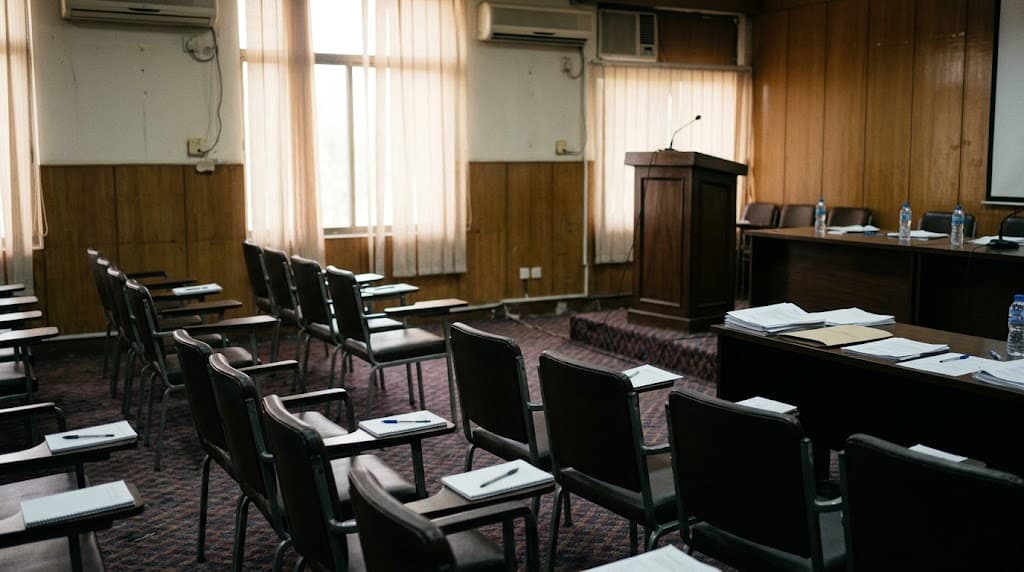
Jihad Azour, Director of the IMF’s Middle East and Central Asia Department, made the remarks in his opening address at the workshop, which was titled “Reforms for a Modern and Growth-Friendly Tax System in Pakistan.” He said that addressing under-taxed sectors, cutting concessions and reducing disproportionate burdens are all parts of a fair tax system. He also stressed that tax policy changes must be backed by stronger revenue administration, meaning the systems used to assess, collect and enforce taxes.
Azour said Pakistan had made “important progress” in restoring stability and rebuilding confidence, and that the next milestone was turning that stability into durable growth. He added that fiscal policy must do more than meet primary balance targets, which measure the government’s budget before interest payments, and must also protect debt sustainability.
Finance minister's view
Finance Minister Muhammad Aurangzeb said Pakistan needed to move from economic stabilisation to sustainable, export-led growth and avoid the boom-and-bust cycles that followed consumption-led expansion in the past. He described taxation as a “very critical component” of the structural reform agenda. He said tax design should be led by economic value considerations rather than “making the math work,” while acknowledging that the government still had to meet its revenue requirements.
Aurangzeb also said growth had improved from a contraction of around 0.3% to growth of approximately 3.65% to 3.7%. He said Pakistan’s foreign exchange reserves had risen from roughly two weeks of import cover to more than three months, but that the source of that reserve build-up mattered as much as its size. Import cover refers to how many months of imports the reserves could pay for.
What happens next
The remarks did not announce specific tax measures, rate changes or deadlines. Azour’s stated next step was to convert stabilisation gains into stronger growth, and Aurangzeb said the government would focus on sustainable, export-led expansion. Pakistan is already in an IMF lending programme, so the Fund regularly comments on the country’s economic policy. Any move on the IMF Pakistan tax agenda would need to be set out in official government decisions.