An LPG shortage Pakistan is facing has been linked by the petroleum minister in the National Assembly to the recent closure of the Iran border, which disrupted liquefied petroleum gas (LPG) — bottled cooking and heating fuel — supplies and drove prices higher. A partial reopening of the border has not eased the shortfall, and households and commercial users are still waiting for relief.
Why supplies remain tight
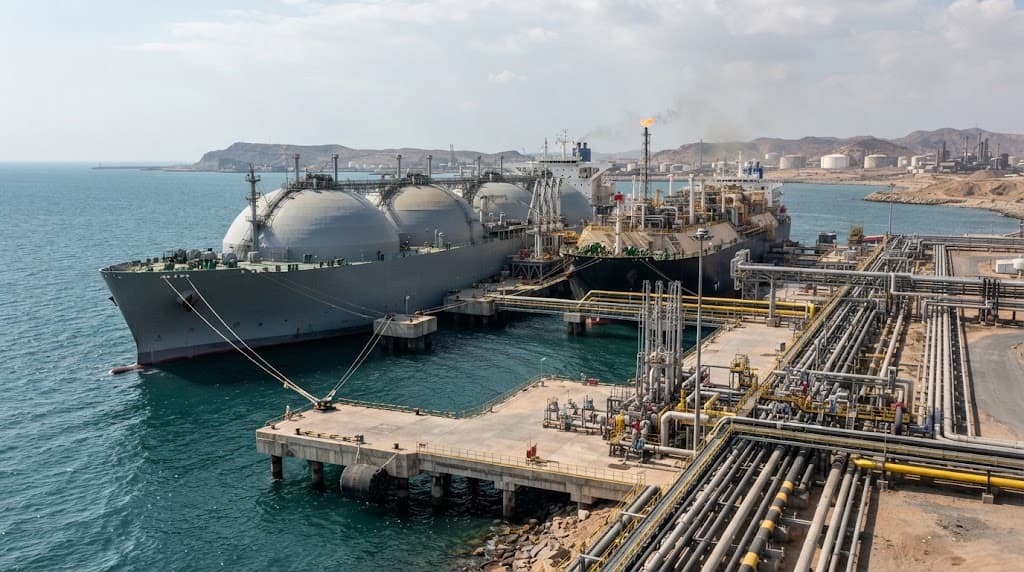
Pakistan produces only about a quarter of the LPG it needs. The rest is imported, mainly from Iran, so any break in cross-border trade quickly shows up as empty cylinders and higher prices. The minister said efforts are under way to raise seaborne supplies, but conflict involving Iran has complicated those routes, and consumers have not yet seen extra volumes arrive.
The LPG shortage Pakistan experiences is not only a border story. Demand typically rises every winter, and prices have often climbed even without a major supply shock. Low gas pressure and restricted piped supplies in some connected areas also push more people toward cylinders, adding further pressure on a market that already relies heavily on imports.
Prices and who is hit hardest
The official price sits around Rs280 per kilogram, while reported market rates have reached Rs500-800. That gap means many buyers pay far above the notified rate for an essential fuel. Millions of families in northern Pakistan, remote and hilly areas, and parts of Punjab depend on LPG for cooking and, in colder months, heating — especially where piped natural gas is unavailable.
Commercial kitchens, tea stalls and small eateries that cook on cylinder gas face the same squeeze: scarcer cylinders and higher outlays raise running costs at a time when winter demand is already high.
What officials still need to clarify
The minister’s account identifies the Iran border closure as a major trigger for the present disruption. Critics of the response, however, argue that contingency planning should have been stronger before the border shut, given known winter demand, and that the public still needs clear figures on what additional seaborne volumes have been secured and when they will arrive.
Until those shipments show up and market rates move closer to the official level, the LPG gas supply issue will keep weighing on households without piped gas and on businesses that cannot easily switch fuels.
Aasan alfaaz mein
Iran border band hone se Pakistan mein LPG (cylinder gas) ki kami ho gai hai. Mulk apni zarurat ka sirf roughly ek chautha hissa khud banata hai, baqi aksar Iran se aati hai. Official rate lagbhag Rs280 per kg hai, lekin bazaar mein Rs500 se Rs800 tak bhi sunne mein aa raha hai. Jin gharoun mein pipe gas nahi, unhein cooking aur sardi mein heating ke liye zyada kharcha uthana pad raha hai.