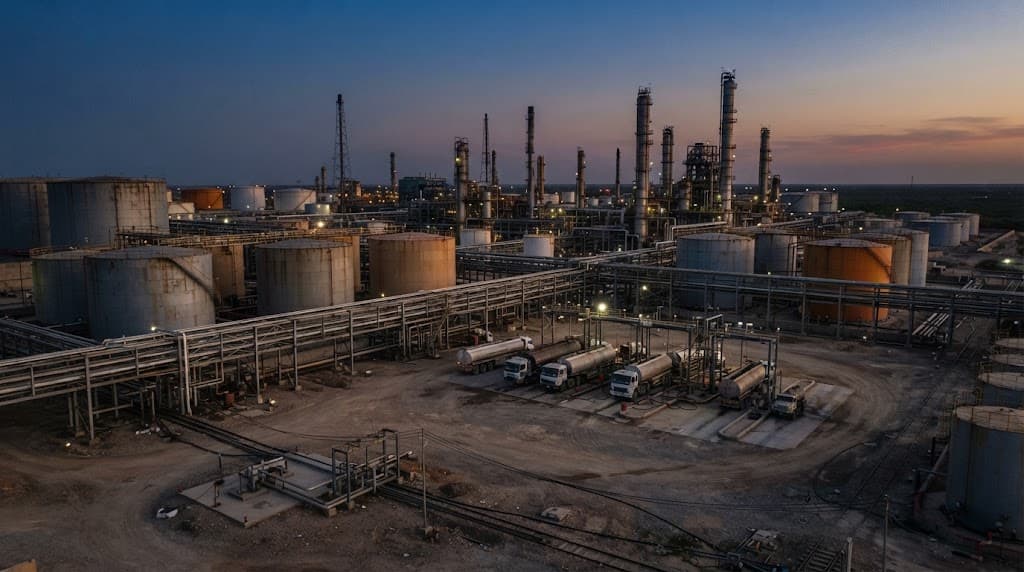
Shell and TotalEnergies reported soaring oil and gas profits for the third quarter on Thursday, as conflict in the Middle East disrupted hydrocarbon supplies and pushed up prices and refining margins worldwide. Britain’s Shell said profit after tax more than doubled from a year earlier to $12.1 billion. France’s TotalEnergies posted a record $8.3 billion net profit in the July–September period. Spain’s Repsol also saw net profit rise fourfold over the first nine months of the year, to €5 billion ($5.6 billion).
Both Shell and TotalEnergies used the earnings surge to increase payouts to shareholders. They had already logged strong gains in the first two quarters of 2026, helped in part by trading as oil and gas futures swung with news from the war in Ukraine. Shell’s revenue rose sharply to $92.8 billion, with high natural gas prices also supporting the quarter. Chief executive Wael Sawan called the outcome “very strong results in a quarter with continued severe disruption to the global energy system”.
Why margins and prices climbed
Energy majors are earning more from Middle East war impact on oil prices and gas markets: production and exports of refined fuels from the region remain heavily disrupted, tightening global supply for refineries elsewhere. Shell’s third quarter was lifted by record refining margins — the gap between crude oil and the fuels made from it — which reached $42 a barrel, up from $24 between April and June, and above the previous peak after Russia’s 2022 invasion of Ukraine.
Logistical limits have made it harder to reroute fuel, widening that crude-to-product gap. Separately, Ukrainian drone strikes on Russian energy infrastructure prompted Russia to ban exports of some products, including petrol and diesel. TotalEnergies chief executive Patrick Pouyanne said the firm benefited from “a high-price environment characterised by historic refining margin levels and a bull gas market”. AJ Bell investment director Russ Mould noted that profits last sat at similar levels in 2022, and that today’s favourable conditions “may not last forever”, while Shell had chosen to share gains with shareholders.
Pressure on bills and the pump
Critics argue that higher energy bills and pump prices are feeding global inflation and squeezing households and businesses. Weeks of cost-of-living protests have broken out across France. On Thursday the French government called on TotalEnergies to “set an example” by passing on savings from a release of strategic diesel stocks. Spokesperson Maud Bregeon said Paris was asking the company to lower prices and keep caps in place “for as long as necessary”.
France this month released 10 million barrels of diesel to distributors, hoping for a 12-to-18-cent-per-litre cut at the pump. Pouyanne estimated the pass-through would be only eight to 12 cents. Bregeon also said it “would be a mistake to fall into ‘Total-bashing’”, even as the firm faces accusations of profiting from Middle East conflict. In Britain, Greenpeace’s Philip Evans urged the UK government to “tax these companies for the untold damage they’re inflicting”, calling the profits “openly villainous” amid climate disasters. British giant BP and US majors Chevron and ExxonMobil were due to report third-quarter earnings on Friday.
Timeline: what has happened so far
- 2022: Refining margins and major oil profits last peaked after Russia’s invasion of Ukraine.
- First two quarters of 2026: Shell and TotalEnergies already reported strong profit increases, including from trading tied to Ukraine war news.
- April–June 2026: Shell’s refining margin stood at $24 a barrel.
- This month: France released 10 million barrels of diesel and faced weeks of cost-of-living protests; Paris urged TotalEnergies to pass savings to consumers.
- Thursday (Q3 results): Shell profit after tax hit $12.1 billion; TotalEnergies set a record $8.3 billion; Shell refining margins reached $42 a barrel.
- Friday: BP, Chevron and ExxonMobil scheduled to publish third-quarter earnings.
Aasan alfaaz mein
Shell aur TotalEnergies ne teesri quarter mein bohot zyada munafa kamaya hai. Middle East ki jung ki wajah se tel aur gas mehengi ho gayi, is liye in companies ka faida barh gaya. Europe mein log mehengai aur petrol/diesel ke daam se pareshan hain. Pakistan jaisi mulkon ke liye bhi global tel ke daam ahem hote hain, kyunke import aur pump prices inhi markets se judi hoti hain.