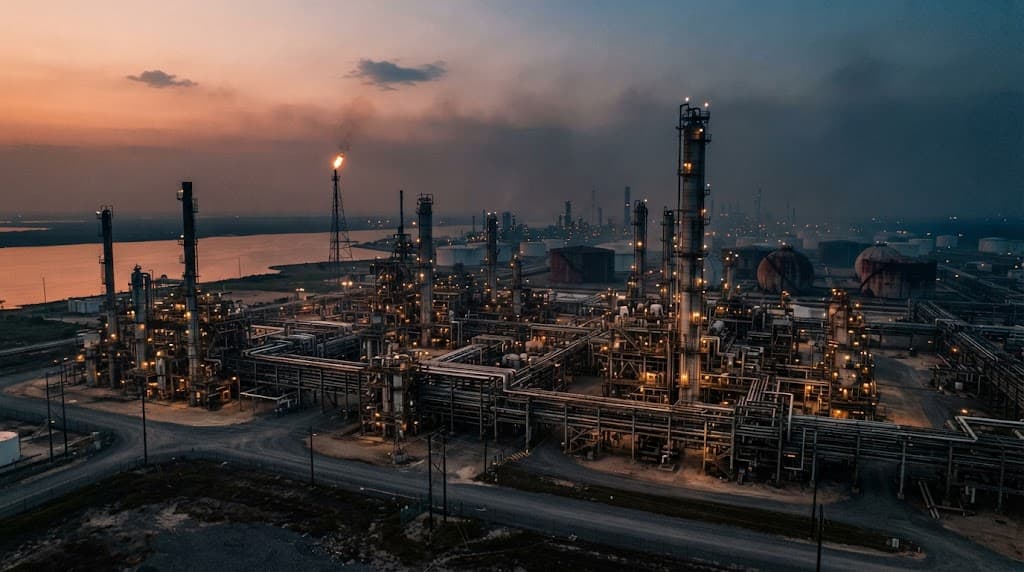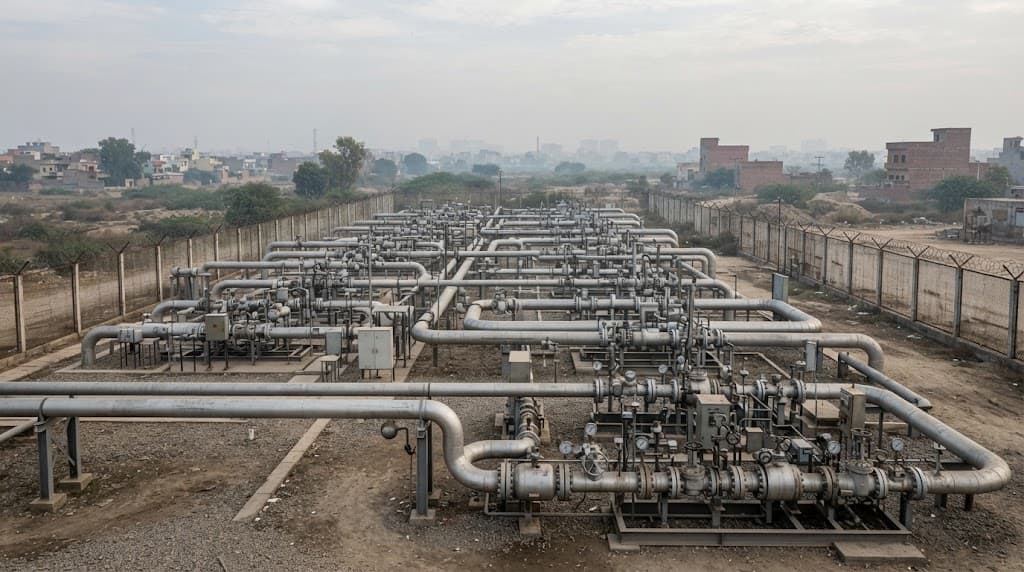
Prime Minister Shehbaz Sharif is due to be briefed today by the Ministry of Petroleum on the gas situation in Pakistan, covering supply for households, power-sector requirements and the need for imported re-gasified liquefied natural gas (RLNG)—natural gas brought in as liquid and turned back into gas for the pipeline network—official sources said.
The session is also expected to address prevailing international gas prices and the country’s overall supply-and-demand position. Ministry officials are set to explain RLNG needs, especially for electricity generation, alongside how much gas can be made available for domestic consumers.
What the briefing is expected to cover
According to official sources, the Petroleum Ministry will give the prime minister an overview of national gas needs and the supply position, including the role of imported gas in meeting household and power-generation demand. The briefing is framed as a review of availability for domestic users, power-sector requirements and RLNG imports, rather than a finished set of decisions.
Sources added that international price trends and the balance between what Pakistan can produce and what it must buy will form part of the discussion. That matters because winter planning hinges on both volume and cost.
Winter load plan and higher demand
The government is preparing a winter gas load-management plan for November 2026 to February 2027. Under the proposal, domestic consumers would get priority for locally produced gas, with household supplies concentrated during peak cooking hours. RLNG would be prioritised for power generation and industry.
Demand is expected to rise sharply in the cold months. On the Sui Northern Gas Pipelines Limited (SNGPL) network—which serves much of Punjab and Khyber Pakhtunkhwa—demand is projected to double from around 550 million cubic feet per day (mmcfd) to 1,100 mmcfd. On the Sui Southern Gas Company (SSGC) system—mainly Sindh and Balochistan—demand could rise from 300 mmcfd to 500 mmcfd.
LNG cargoes and procurement risks
The Petroleum Division has estimated that 24 LNG cargoes may be required to meet winter needs: nine for power generation and 15 for domestic consumers, with two of those domestic-linked cargoes treated as contingency supplies. Uncertainty over deliveries from Qatar and the high cost of buying cargoes on the spot market—short-term purchases at prevailing market prices—have complicated procurement, and the plan is still awaiting approval.
How today’s briefing shapes the final winter arrangements will depend on what ministers approve next and how import contracts are secured before peak demand arrives.
Timeline: what has happened so far
- 28 October 2026: The Ministry of Petroleum is to brief Prime Minister Shehbaz Sharif on the gas situation in Pakistan, including RLNG and supply-demand balances.
- November 2026–February 2027: Proposed period for the winter gas load-management plan, with local gas prioritised for homes at peak cooking hours.
- Winter 2026–27 (planned): SNGPL demand projected at about 1,100 mmcfd (from ~550 mmcfd); SSGC at up to 500 mmcfd (from 300 mmcfd).
- Plan status: About 24 LNG cargoes estimated for winter; procurement complicated by Qatari delivery uncertainty and costly spot purchases; plan still awaiting approval.
Aasan alfaaz mein
Wazir-e-Azam Shehbaz Sharif aaj Petroleum Ministry se mulk ki gas ki soorat-e-haal sunenge. Sardiyon mein gharoun ko local gas pehle dene ka plan ban raha hai, khas tor par cooking ke waqt. Bijli aur industry ke liye imported RLNG zyada use hone ka irada hai. Plan abhi approve nahi hua, aur LNG kharidna mehnga aur mushkil bataya ja raha hai.