Sindh’s carbon-market slate
Sindh has locked in a provincial slate of 13 carbon-market ventures that officials say could remove about 330.13 million tonnes of carbon dioxide equivalent from the atmosphere over their lifetimes. The same briefing also flagged six priority climate interventions with a combined price tag of roughly USD62.15 million, as the province courts finance before the next UN climate summit.
Sindh Environment Secretary Faisal Ahmed Uqaili set out the portfolio on Saturday at a Karachi session co-hosted by the Karachi Centre for Climate Change and the Korangi Association of Trade and Industry. He said the provincial cabinet has cleared the thirteen ventures and passed the file to the Federal Ministry of Climate Change for the next stage of processing.
What the thirteen ventures cover
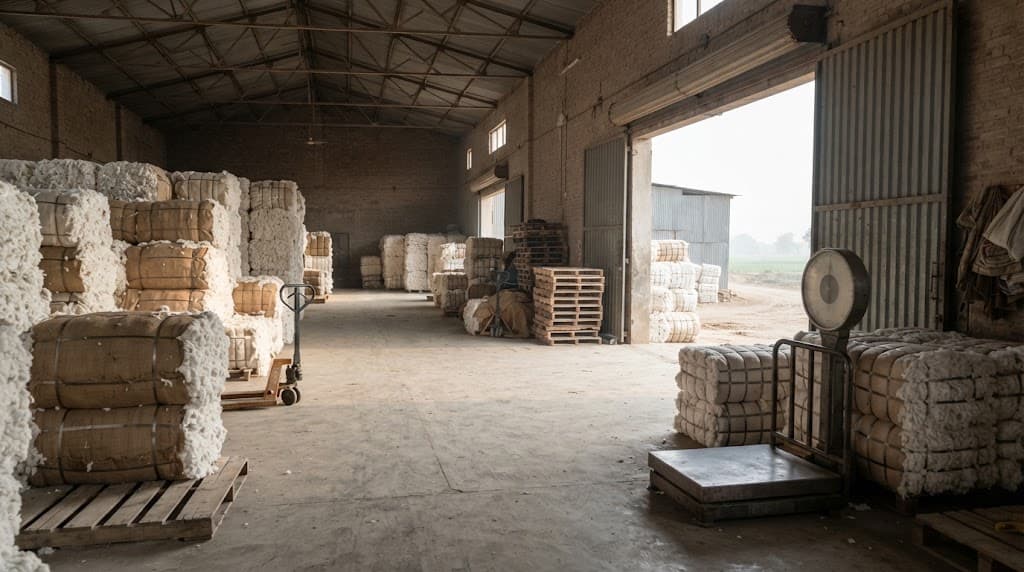
According to the secretary, the package mixes renewable generation, cleaner energy operations, converting farm residue into biochar, curbing methane, and longer-term forest stewardship. Taken together, that mix is the basis for the 330.13 million-tonne CO2e figure cited at the workshop.
The six higher-priority schemes, costed at about USD62.15 million, focus on biogas plants across five districts, floating crop systems in the province’s south, cleaner brick-kiln technology, and training staff to tap climate finance. Uqaili framed the work as part of wider policy drafting, institutional upgrades and on-ground measures meant to blunt heat extremes, flood damage, water stress, coastal sea-level rise and saline push inland.
Policy tools and investor pitch
He told participants that Sindh’s suggestions for Pakistan’s third Nationally Determined Contributions (NDC 3.0)—the country’s formal climate pledge under the UN process—are already drafted. A digital registry and dashboard are also under construction so managers can track greenhouse gases and judge how projects perform.
Universities are being brought in for research support, environmental rules are being reinforced, and factories are receiving advice on greener operations, he added. Workshop talk ranged across safe drinking water, rehabilitating fields and orchards, industrial pollution, cutting carbon, electric vehicles, and clearer accounting for carbon-market deals.
Balint Sohel, founding director of the Karachi Centre for Climate Change, urged that national pledges be turned into creditworthy proposals investors can fund, especially for water, power and carbon risks in a coastal industrial hub. Lahore High Court Justice Jawad Hassan stressed that strong environmental statutes, public-interest protections and a stable rulebook give private capital the certainty it needs.
What comes next
COP31—the thirty-first Conference of the Parties under the UN climate convention—is due in Antalya, Türkiye, from 9 to 20 November 2026. Pakistan is expected to table its national priorities there, with federal and provincial teams present. Workshop guests backed Sindh’s pipeline and hoped the province’s examples would feed into that global agenda.
Aasan alfaaz mein
Sindh ne 13 carbon projects tayyar kiye hain jin se lagbhag 330 million tonne emissions kam ho sakti hain. Saath hi chheh aur schemes ka plan hai jin ka kharcha lagbhag 62 million dollar bataya gaya. Yeh kaam COP31 se pehle investment aur climate protection ke liye hai. Agar yeh projects chal parein to garmi, floods aur energy ke masail thora kam ho sakte hain.