Why markets moved so fast
The tungsten price surge is less a bet on scarcity in the ground than a warning about who controls refining. Between January 2025 and April 2026, tungsten jumped 622 percent in data from the International Energy Agency (IEA), the Paris-based energy watchdog, in its 2026 critical-minerals outlook. Over that same stretch, tantalum rose 196 percent, cobalt 134 percent, neodymium 116 percent and lithium 108 percent, while copper, aluminium and chromium gained roughly 39 to 53 percent.
Analysts describe the rally as structural. For tungsten—the metal with the highest melting point, 3,422°C, prized for hardness and density in drills, aerospace parts, specialised alloys, electronics contacts and munitions—Chinese licensing curbs met steady industrial and defence demand. Beijing dominates both tungsten extraction and, even more so, processing. When licences tighten, global quotes react at once. Cobalt’s climb is tied more to Congolese export limits; lithium’s to storage demand racing ahead of supply. Across key energy minerals, the IEA put China’s share of refined output near 70 percent last year—so policy in one hub can set world prices.
What Pakistan holds—and what it still imports
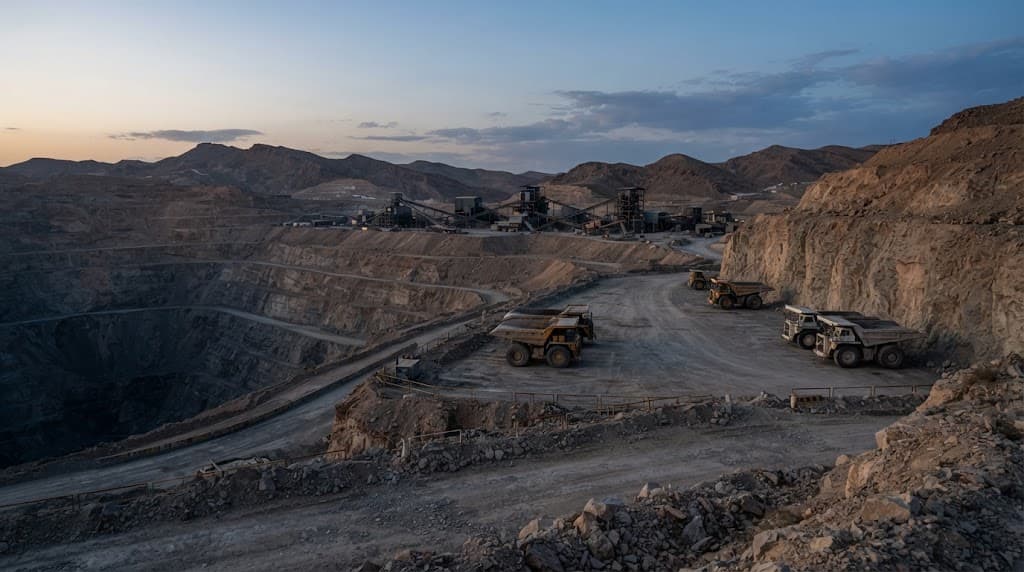
For Islamabad, the tungsten price increase lands amid fresh diplomacy over mineral wealth. Reko Diq in Chagai—50 percent Barrick, 25 percent federal state firms, 25 percent Balochistan—won $1.3 billion from the US Export-Import Bank in February under Project Vault, a $10 billion American push to stockpile strategic minerals and diversify away from Chinese supply. It is the sole non-US deal in that book. The mine’s total cost is estimated near $3.2 billion, with first output aimed for 2028. EXIM had already been listed among prospective lenders in 2025 with the IFC, the Asian Development Bank and credit agencies from Canada, Germany, Sweden and Finland.
Project metals include copper, gold, silver, molybdenum, cobalt and small rare-earth traces such as neodymium and praseodymium, with in-ground value put at $60 billion to $74 billion. A popular $6 trillion national minerals claim mixes unproven geology with recoverable reserves; Pakistan also lacks the JORC or NI 43-101-style reporting investors treat as bankable. More cautious figures place recoverable value across Balochistan, Khyber Pakhtunkhwa and Gilgit-Baltistan at $100 billion to $300 billion over decades.
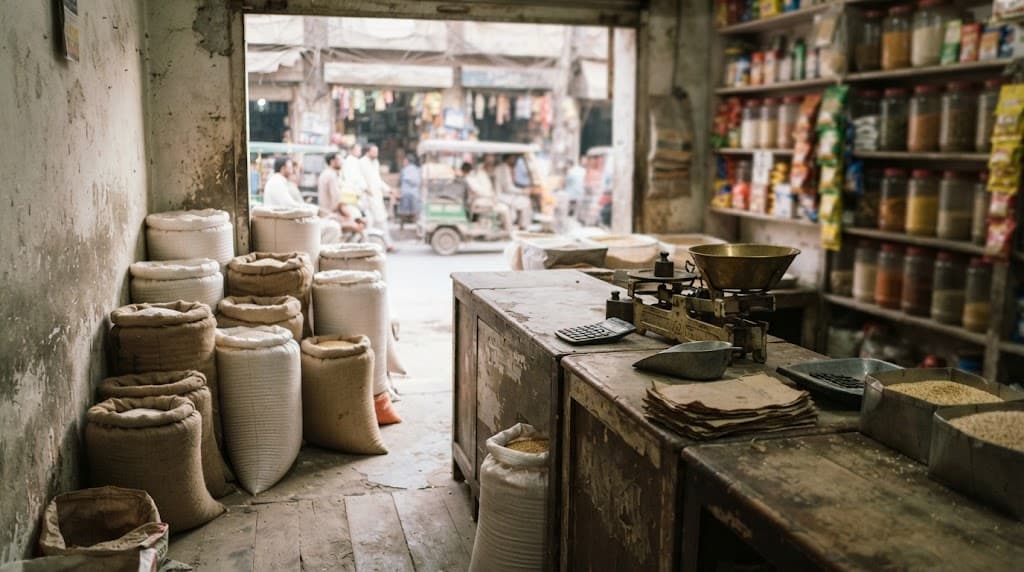
Yet Mining and Quarrying has sat at about 2–3 percent of GDP for a quarter-century and was 2.1 percent in FY26 after four straight years of decline. In 2023 Pakistan ranked 51st of 166 countries by extracted mineral value, with fuels making up 82 percent of that total; in non-ferrous metals it ranked 58th on $271 million. Only eleven countries produced rare earths that year, China alone about two-thirds. Raw iron ore and bauxite leave the country while mills import scrap, after Pakistan Steel Mills’ blast furnace—once the sole iron-ore smelter—closed nine years ago.
Processing is where the money sits
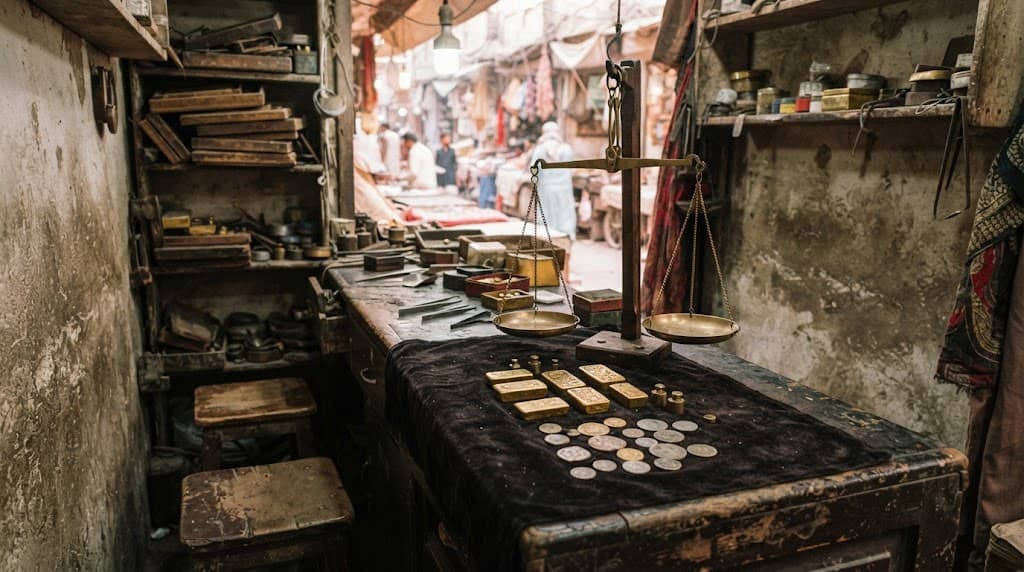
Tungsten is common enough in the crust; market tightness comes from refining clustered in one jurisdiction willing to use that leverage. The same logic applies to magnet metals for electric motors and guidance systems, and to gallium and germanium already under Chinese export limits for chips. Shipping concentrate, as at Saindak’s Chinese-run copper-gold operation for roughly twenty years, captures only a thin slice. Smelting, refining and alloying—cathode cobalt, battery-grade lithium carbonate, magnet-grade rare-earth oxides—capture most of the margin. Pakistan has almost none of that capacity at home.
Diplomacy is awkward: CPEC deepens resource ties with China even as Washington courts Pakistan as an upstream supplier for a Western-aligned chain. Violence in Balochistan and Khyber Pakhtunkhwa still endangers workers, corridors and confidence. Equity interest often stalls—Saudi participation in Reko Diq remains long discussed, lightly signed. Rules stay split between federation and provinces, and announcements outrun delivery.
Price charts therefore point to three tasks: modest domestic metallurgical plants to keep skills and value onshore; internationally recognised reserve standards so potential becomes financeable; and real progress on security and governance so foreign credit does not merely fund another exporter of unprocessed rock.
Timeline: what has happened so far
- January 2025: Start of the IEA window that later recorded tungsten’s 622 percent climb and sharp gains in other critical metals.
- 2025: US EXIM listed among Reko Diq’s prospective lenders with IFC, ADB and several European and Canadian export-credit agencies.
- February (Project Vault): Reko Diq obtains $1.3 billion US EXIM financing—the portfolio’s only non-US transaction.
- FY26: Mining and Quarrying share of GDP stands at 2.1 percent after four years of decline.
- April 2026: End of the IEA measurement period showing the tungsten price spike and related metal gains.
- 2028 (target): First Reko Diq production, against a roughly $3.2 billion project cost.
Aasan alfaaz mein
Duniya mein tungsten bohot mehnga ho gaya hai kyunke refining zyada tar ek mulk ke paas hai. Pakistan abhi aksar kacha maadan bechta hai aur tayyar metal wapas khareedta hai. Reko Diq ko Ameriki qarz mila hai, lekin processing ke baghair faida kam rehta hai. Agar mulk khud smelting aur refining banaye to naukriyan aur qeemat ka zyada hissa yahan ruk sakta hai.