Islamabad — Pakistan’s Planning Commission has outlined a Pakistan water infrastructure investment plan that would need about $18 billion in federal financing over the next decade, aiming to raise farm-gate water supply, storage capacity and irrigation efficiency by 2029.
The National Water Security framework under URAAN Pakistan calls for reforms in irrigation management, reservoir development, flood protection and groundwater regulation. The report says water-use efficiency should rise from about 40% to 70%, and water available at farm gates from 58.3 million acre-feet (MAF) to 79 MAF by 2029. Agriculture already takes roughly 95% of freshwater withdrawals, while efficiency across the irrigation system remains near 40%.
Storage targets and the project pipeline
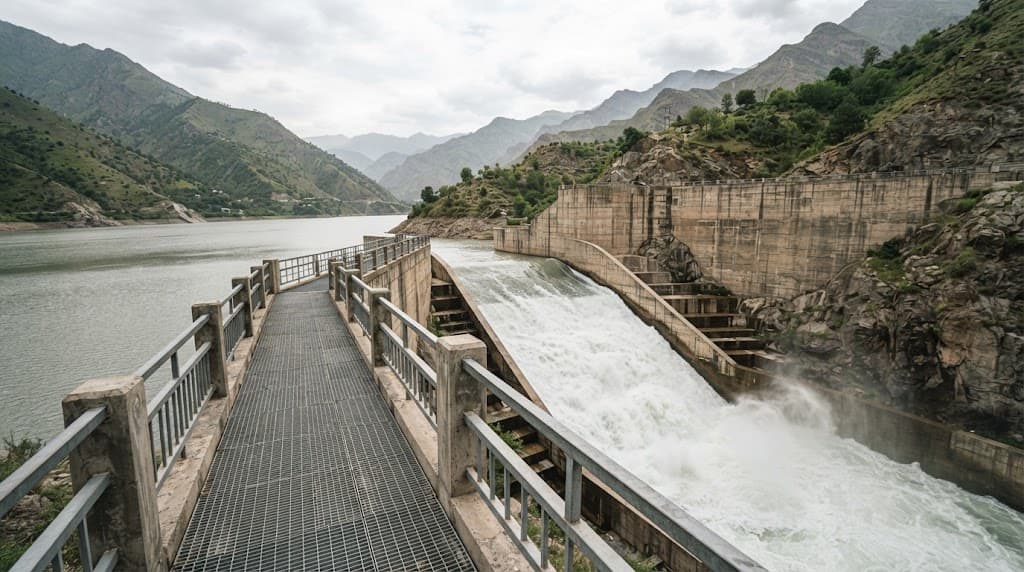
The report targets an increase in water storage capacity from 15.318 MAF to 23.54 MAF by 2029. It warns that current live storage is only about 11% of annual Indus River flows. Ongoing projects under the Public Sector Development Programme (PSDP) — the federal development budget for public works — are expected to add 9.821 MAF of storage. A further pipeline of proposed schemes, including the Akhori Off-Channel Storage Dam, Shyok Dam and Skardu Dam, could provide about 14.5 MAF more.
The $18 billion estimate covers flood management, storage development and canal modernisation. That figure is the centrepiece of the Pakistan water infrastructure investment plan described in the framework, which also proposes a Water System Integrator role under the Indus River System Authority (IRSA), the body that allocates Indus basin water among provinces, to tighten accountability from rivers to farms.
Irrigation, groundwater and urban supply
Proposed irrigation reforms include faster uptake of drip and sprinkler systems through financial incentives, revising abiana (irrigation water charges) to reflect real operation and maintenance costs, and adjusting cropping patterns to get more crop per drop. The report points to roughly 20.58 million acres of suitable farmland still outside formal irrigation networks as room to expand irrigated agriculture.
On groundwater, it urges linking subsidies for solar-powered agricultural tubewells to registration and sustainable extraction limits, warning that cheap solar pumping is speeding depletion. Groundwater levels in Punjab are falling by 0.5 to one metre a year, and the Indus Basin Aquifer is described as the world’s second most overstressed. For cities, the framework proposes recycling at least 25% of urban wastewater and notes that about 53% of monitored urban water sources are unsafe to drink.
Flood risk and what comes next
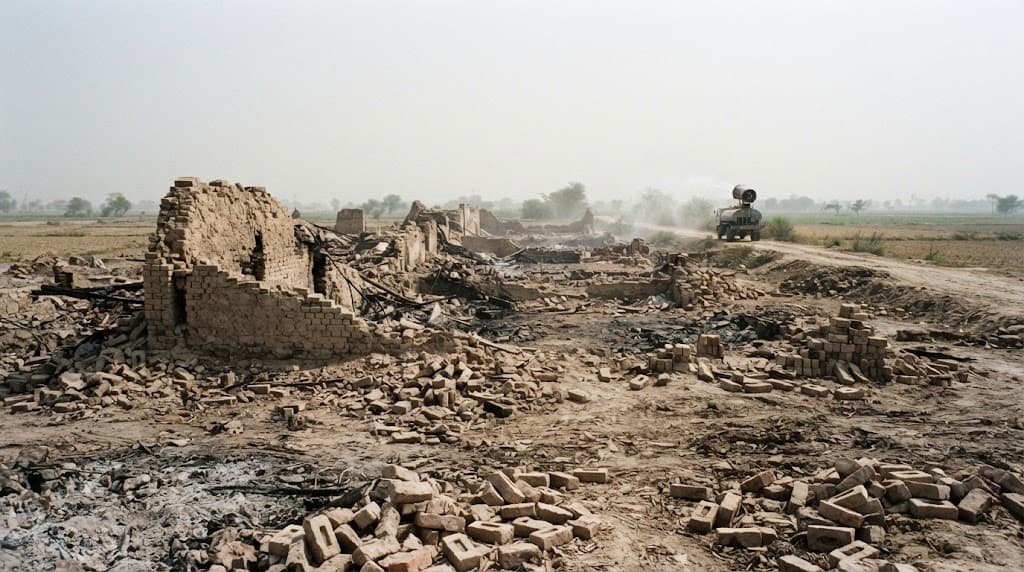
The report flags a sharp cut in flood warning time at Marala Headworks, from 40 hours in 2014 to 5.5 hours in 2025. It recommends treating water security as a national security agenda, enacting the National Flood Protection Plan-IV, strengthening glacier monitoring through a National Glacier Protection Act, and updating flood design assessments with newer hydrological data.
Meeting the 2029 goals, the Planning Commission says, will need coordinated infrastructure work, regulatory reform and stronger water governance — not financing alone.
Aasan alfaaz mein
Sarkar agle das saalon mein pani ke zaroori infrastructure par lagbhag 18 billion dollar kharch karne ka plan bana rahi hai. Maqsad yeh hai ke 2029 tak khet tak zyada pani pahunche, storage badhe, aur irrigation behtar ho. Punjab mein underground pani har saal neeche ja raha hai, aur shehron ke kai pani ke sources peene layak nahi. Farmers ko drip/sprinkler aur abiana ke badlav se farq pad sakta hai; shehri logon ke liye safer pani aur flood warning behtar hona maqsad hai.