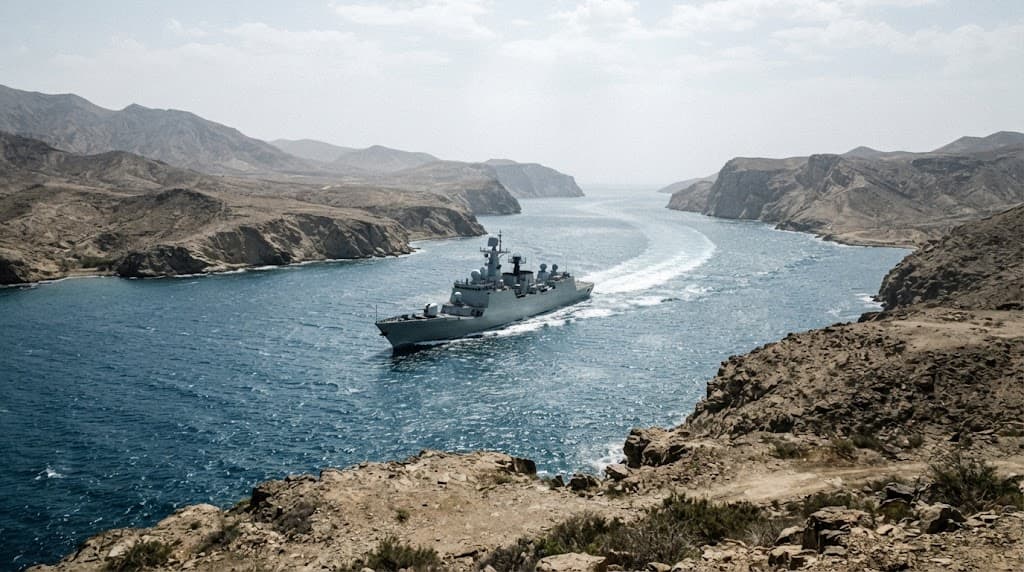
Iran’s armed forces said on Thursday that four tankers caught fire after striking mines while trying to move through the Strait of Hormuz, a day after the US military said it had cleared key routes through the waterway.
The Islamic Revolutionary Guards Corps (IRGC), Iran’s powerful military force, said that over the previous 24 hours three “violating” oil tankers exploded and caught fire after hitting mines on what Tehran calls the unauthorised southern route of the strait. Iran’s army later reported that another tanker had caught fire east of the strait after hitting mines while “operating in a restricted and dangerous area”.
What Iran says happened
According to the IRGC, the first three vessels had switched off all their radar and navigation systems and ignored warnings from the IRGC navy. It was not immediately clear when the incidents took place or which countries’ flags the tankers were flying.
In its Thursday statement, the Guards said the unauthorised route through the Strait of Hormuz is mined. They added that vessel owners and crews are responsible for using those routes and should not rely on what they called CENTCOM’s “delusions” on social media. Iran treats ships using the southern corridor near the Omani coast as unauthorised.
Conflicting maritime reports
The British maritime agency UKMTO (United Kingdom Marine Trade Operations), which issues shipping security notices, said it had received reports of two separate incidents. One involved a dhow — a traditional wooden sailing vessel — that caught fire and sank in a “maritime security incident”. Another concerned a tanker “struck by an unknown projectile” while completing an outbound transit of the Strait of Hormuz. Those accounts do not match Iran’s description of four mine strikes.
In recent weeks Iran has reported several vessels hitting sea mines. US Central Command (CENTCOM), which directs US military operations in the region, has insisted on social media that mines in “primary transit routes” have been cleared. On Thursday, IRGC spokesman Hossein Mohebi challenged that claim on X, urging CENTCOM to “prove” the mine-clearing assertion with independent evidence rather than statements.
Wider standoff over Hormuz
Since a war began on February 28, Iran has tightly restricted traffic through the Strait of Hormuz, which normally carries about one-fifth of the oil the world uses. The United States has imposed a blockade on Iranian ports and has helped tankers move through the strait. On Sunday, CENTCOM said it had helped Gulf countries export 1.5 billion barrels of oil via Hormuz since the summer.
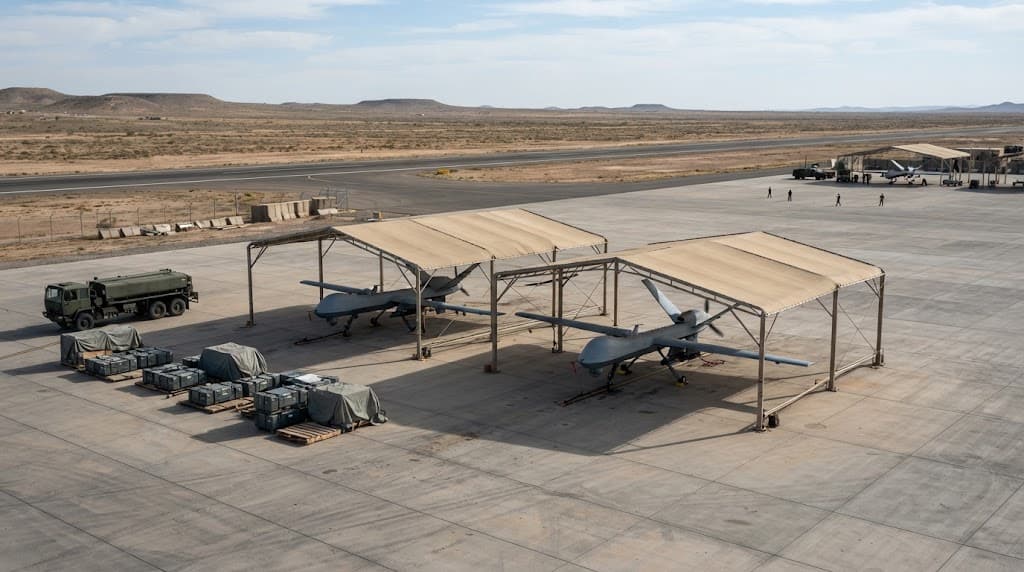
In a separate statement, the IRGC said its navy’s electronic warfare unit had captured a US MQM-170 reconnaissance drone during an operation in the western Strait of Hormuz.
Timeline: what has happened so far
- February 28: War breaks out; Iran severely restricts traffic through the Strait of Hormuz.
- Recent weeks: Iran reports multiple vessels striking sea mines in the waterway.
- Sunday: CENTCOM says it has helped Gulf countries export 1.5 billion barrels of oil via Hormuz since the summer.
- Wednesday (day before the tanker claims): The US military says it has cleared key routes through the waterway.
- Thursday: The IRGC says three oil tankers exploded after mine strikes on the southern route; Iran’s army later reports a fourth tanker on fire east of the strait; Mohebi disputes CENTCOM’s mine-clearing claim; the IRGC also says it captured a US MQM-170 drone.
Aasan alfaaz mein
Iran ne kaha hai ke Hormuz ke raaste mein chaar oil tankers mines se takra kar jal gaye. Yeh raasta duniya ke oil ka bohot bada hissa leta hai, is liye tension se oil ke daamon par asar ho sakta hai. America kehta hai ke main raaste saaf hain, lekin Iran is baat ko nahi manta. Pakistan jaise mulk jo Gulf se oil late hain, unhein is crisis ki khabar rakhni chahiye.